USA23 April, 20267 min read
US Navy Intercepts Three Iranian-Flagged Oil Tankers Near India, Malaysia, Sri Lanka
At least three Iranian-flagged oil tankers intercepted in Asian waters. Tankers redirected away from India, Malaysia, and Sri Lanka.

ynetnews was read line by line by the Watchdog: 5.0. See the score →
Intercepts in Asia
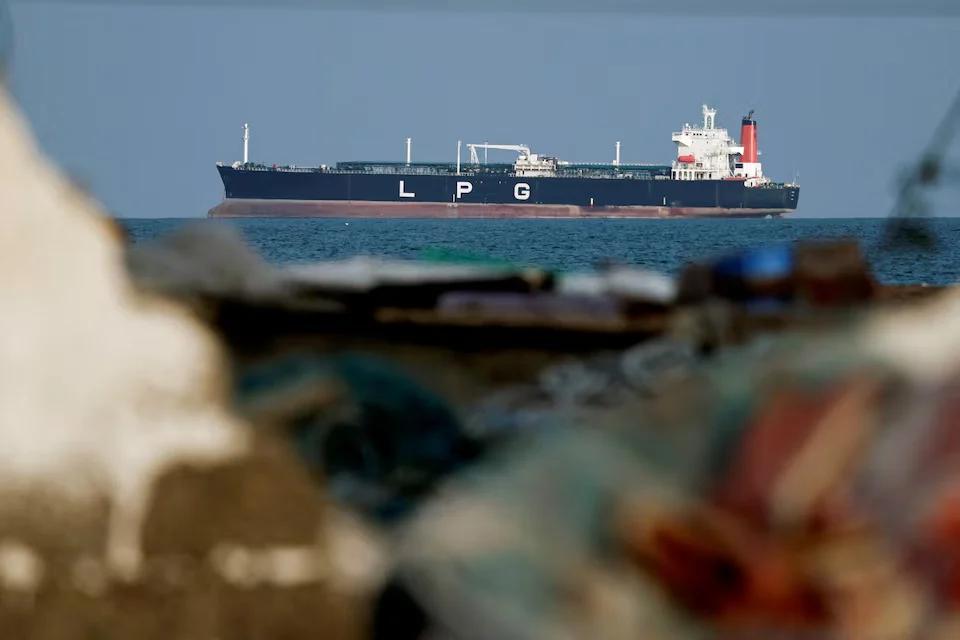
The United States military intercepted at least three Iranian-flagged oil tankers in Asian waters and redirected them away from positions near India, Malaysia and Sri Lanka, according to shipping and security sources cited by Reuters on Wednesday.
Reuters reported that Washington has imposed a blockade on Iran’s trade by sea, while Iran has fired on ships to prevent them from sailing through the Strait of Hormuz waterway at the entrance to the Middle East Gulf.
The same Reuters account, carried by AFR, described the U.S. action as redirecting the tankers away from their positions near India, Malaysia and Sri Lanka.
MyIndMakers likewise said the United States military intercepted at least three Iranian-flagged oil tankers in Asian waters and redirected them from areas near India, Malaysia, and Sri Lanka.
In the Reuters-based reporting, the operation was tied to the blockade and to Iran’s efforts to stop vessels from passing through the Strait of Hormuz.
The Reuters story also said the U.S. military has not provided detailed public information on all intercepted vessels, and it did not immediately respond to requests for comment regarding the Deep Sea and Derya, as described in MyIndMakers.
The interceptions were part of a broader pattern of enforcement described by U.S. Central Command, which said that since the beginning of its blockade operations, U.S. forces have directed 29 vessels to either turn back or return to port.
Named Tankers and Loads
The reporting identified specific vessels among those intercepted and redirected, including the Iranian-flagged supertanker Deep Sea, the tanker Sevin, and the supertanker Dorena.
MyIndMakers said the Deep Sea was partially loaded with crude oil and was last tracked off the coast of Malaysia about a week ago, based on ship tracking data from the MarineTraffic platform.

It also reported that the Sevin had a capacity of up to 1 million barrels and was carrying around 65% of its load when it was intercepted, with its last tracking near Malaysia about a month earlier.
For Dorena, MyIndMakers said it was fully loaded with approximately 2 million barrels of crude oil and was last tracked off the southern coast of India just three days before being intercepted.
MyIndMakers further stated that U.S. Central Command posted on X that the Dorena “has been under the escort of a U.S. Navy destroyer in the Indian Ocean after attempting to violate the blockade.”
Al-Monitor’s Reuters-based account similarly described Deep Sea as part loaded with crude and last seen on its public tracking transponder off Malaysia’s coast a week ago, and it described Sevin as having a maximum capacity of 1 million barrels and carrying 65% of its load.
Al-Monitor also said Dorena was fully loaded with 2 million barrels of crude and last seen off the coast of southern India three days ago, and it repeated that Central Command said Dorena had been under the escort of a U.S. Navy destroyer in the Indian Ocean after attempting to violate the blockade.
Al-Monitor added that U.S. forces may have intercepted the Iranian-flagged Derya tanker, which it said failed to discharge its cargo of Iranian oil in India before a U.S. waiver on Iranian crude purchases expired on Sunday.
Blockade, Ceasefire, and Escalation
The interceptions were reported against a backdrop of an uneasy ceasefire and ongoing maritime escalation between the United States, Israel, and Iran. MyIndMakers said nearly two months after the war between the U.S. and Israel against Iran began, there were still no clear signs that peace talks would resume, even though a fragile ceasefire remains in place. It described the closure of the Strait of Hormuz as significantly affecting global energy markets, adding that around one-fifth of the world’s oil and gas supplies pass through this route.
“Iranian state media reported Wednesday that Tehran's negotiators would not attend talks with the U.S., calling them a ‘waste of time.’”
Al-Monitor’s Reuters-based account similarly said the closure of the strait has disrupted supply of a fifth of the world's oil and gas supplies and caused a global energy crisis. Reuters’ account, as carried by AFR, tied the maritime actions to Washington’s blockade on Iran’s trade by sea and to Iran’s firing on ships to prevent them from sailing through the Strait of Hormuz. Forbes reported that Iranian leaders said they would only agree to a lasting ceasefire and reopening the Strait of Hormuz if the U.S. lifts its naval blockade and if Israel also commits to a ceasefire.
CNBC reported that President Donald Trump extended a two-week U.S. ceasefire on Tuesday and that the U.S. military continues its blockade of Iranian ports, while Iranian state media reported that Tehran’s negotiators would not attend talks with the U.S. and called them a “waste of time.” Forbes also said Iranian President Masoud Pezeshkian wrote on X that Iran “has welcomed dialogue and agreement and continues to do so,” but that the U.S. naval blockade, “breach of commitments” and “threats are main obstacles to genuine negotiations.” In the same Reuters-based reporting, Al-Monitor said Iran captured two container ships seeking to exit the Gulf via the Strait of Hormuz on Wednesday after firing on them, describing it as Iran’s first seizures since the war began.
Voices and Claims
The reporting included direct statements and quoted positions from multiple sides, with U.S. enforcement framed alongside Iranian justifications and political conditions for any ceasefire.
Forbes quoted Iranian President Masoud Pezeshkian on X saying Iran “has welcomed dialogue and agreement and continues to do so,” while also writing that the U.S. naval blockade, “breach of commitments” and “threats are main obstacles to genuine negotiations.”
Forbes also described Iranian Parliament Speaker Mohammad Bagher Ghalibaf saying a ceasefire could only happen if the U.S. ended the blockade and that Israel cease from “Zionist warmongering” (according to an X translation).
CNBC reported that Trump extended the ceasefire and said it was warranted due to Tehran's “seriously fractured” government, while also stating that the ceasefire would remain in place until Iran submits a proposal or talks conclude.
CNBC also said Iranian state media reported that Tehran’s negotiators would not attend talks with the U.S., calling them a “waste of time,” and it connected that stance to Vice President JD Vance pausing his trip to join peace talks.
In the Reuters-based accounts, Al-Monitor said Iran said it had captured two container ships seeking to exit the Gulf via the Strait of Hormuz on Wednesday after firing on them and another vessel, describing it as Iran’s first seizures since the war began.
MyIndMakers described Iran’s response as targeting vessels attempting to pass through the Strait of Hormuz and said the Islamic Revolutionary Guard Corps fired upon two container ships attempting to pass through the strait and eventually seized them.
The same MyIndMakers account said U.S. Central Command stated on Wednesday that since the beginning of its blockade operations, U.S. forces have directed 29 vessels to either turn back or return to port.
Markets, Mine Risk, and Next Steps
The interceptions and the wider blockade were linked in the reporting to market uncertainty and to operational risks in the Strait of Hormuz.
CNBC said Asian markets gave up early gains and mostly swung to losses as investor confidence wavered on media reports that the U.S. has intercepted at least three Iranian oil tankers in Asian waters.
CNBC also tied the ceasefire extension to investor sentiment, noting that President Donald Trump extended a ceasefire with Iran and that the U.S. military continues its blockade of Iranian ports.
Forbes reported that the Pentagon estimates that clearing Iranian mines from the Strait of Hormuz could take six months and prolong the economic consequences of its closure.
In the Reuters-based reporting carried by Al-Monitor, a maritime security source said the U.S. was looking to target Iranian ships away from the Strait of Hormuz and in open waters to avoid any risk of floating mines during operations.
MyIndMakers similarly said a maritime security source explained that U.S. forces are deliberately targeting Iranian vessels in open waters rather than near the Strait of Hormuz to reduce the risk posed by floating mines.
The same MyIndMakers account said the ongoing standoff had created a tense environment in key shipping routes across Asia and the Middle East.
Forbes also reported that the Pentagon announced a major personnel shakeup, saying Navy Secretary John C. Phelan would be leaving the Trump administration “effective immediately.”
In addition, Forbes said the U.S. implemented a naval blockade on April 13 on ships coming to and from Iran and that as of Tuesday, the U.S. Navy had turned back 28 vessels attempting to enter or exit Iranian ports since the blockade began.
Taken together, the sources portray a standoff in which enforcement actions, mine risk, and ceasefire conditions remain tightly linked, with the next developments hinging on whether talks resume and whether the blockade is lifted.