Ukraine War26 October, 20252 min read
US Prepares New Sanctions Targeting Russia’s Banks and Oil Infrastructure to Escalate Ukraine War Pressure
This article is an automated aggregation of coverage from news outlets. Our editorials offer in-depth analysis curated by the NewsCord team.
US plans new sanctions targeting major Russian banks and oil infrastructure sectors. Sanctions aim to cut Russia’s revenue to pressure Putin to end the Ukraine war.

14 outlets told this the same way.
Outlets did split on Russian Attack Kills At Least 33 On Two Buses In Kramatorsk →
US Sanctions on Russia
The United States is preparing a new package of sanctions to escalate pressure on Russia over the Ukraine war. These measures were developed during the Trump administration and explicitly target core financing pillars such as the banking sector and oil infrastructure. Officials have a sanctions “toolkit” ready and are weighing complementary steps with allies.
“The United States is preparing a new set of sanctions against Russia to increase pressure for ending the war in Ukraine.”
These steps include backing European use of frozen Russian assets to buy U.S. weapons for Kyiv and considering Russian assets held in the U.S. These plans build on recently imposed sanctions against Rosneft and Lukoil aimed at constricting Russia’s war revenue. While Washington signals resolve, some reporting notes that timing and implementation remain uncertain even as options to increase pressure have been laid out.

Impact of Energy Sanctions
Oil-focused measures already imposed have tightened the screws, causing reported market ripples. Prices jumped by more than $2, and major buyers like China and India began seeking alternative suppliers. Sanctions on Rosneft and Lukoil aim to reduce Russia’s export revenue.
However, Moscow’s envoy Kirill Dmitriev has warned these steps could backfire by pushing up U.S. gasoline prices. This risk of market backlash is being emphasized even as Washington seeks to limit the Kremlin’s war financing through pressure on the energy sector.

Diplomatic Efforts and Sanctions
Sanctions pressure is unfolding alongside stepped-up diplomacy. Russian official Kirill Dmitriev says progress toward peace is ongoing and that a Trump–Putin meeting was postponed, not canceled, amid disputes over an immediate ceasefire.
“Russian official Kirill Dmitriev stated that despite recent setbacks, progress toward peace between Russia and Ukraine is ongoing.”
Multiple reports say Europe, the U.S., and Ukraine are working on a ceasefire proposal based on current battle lines, with Kyiv showing new flexibility even as Moscow insists Ukraine must cede territory. Dmitriev is visiting the U.S., meeting Trump’s special envoy Steve Witkoff in Miami, and voicing cautious optimism about a resolution—conditional on respect for Russia’s interests.
U.S. and Allies Economic Measures
A parallel debate involves how far to go with allied economic tools. U.S. officials are signaling support for European allies to use frozen Russian assets to buy U.S. weapons for Kyiv. They are also considering tapping Russian assets held in the U.S., even as questions remain about timing and feasibility.
Washington is encouraging European partners to add sanctions or tariffs. Some coverage argues these steps could help bring a ceasefire closer if they reduce Moscow’s war funds.
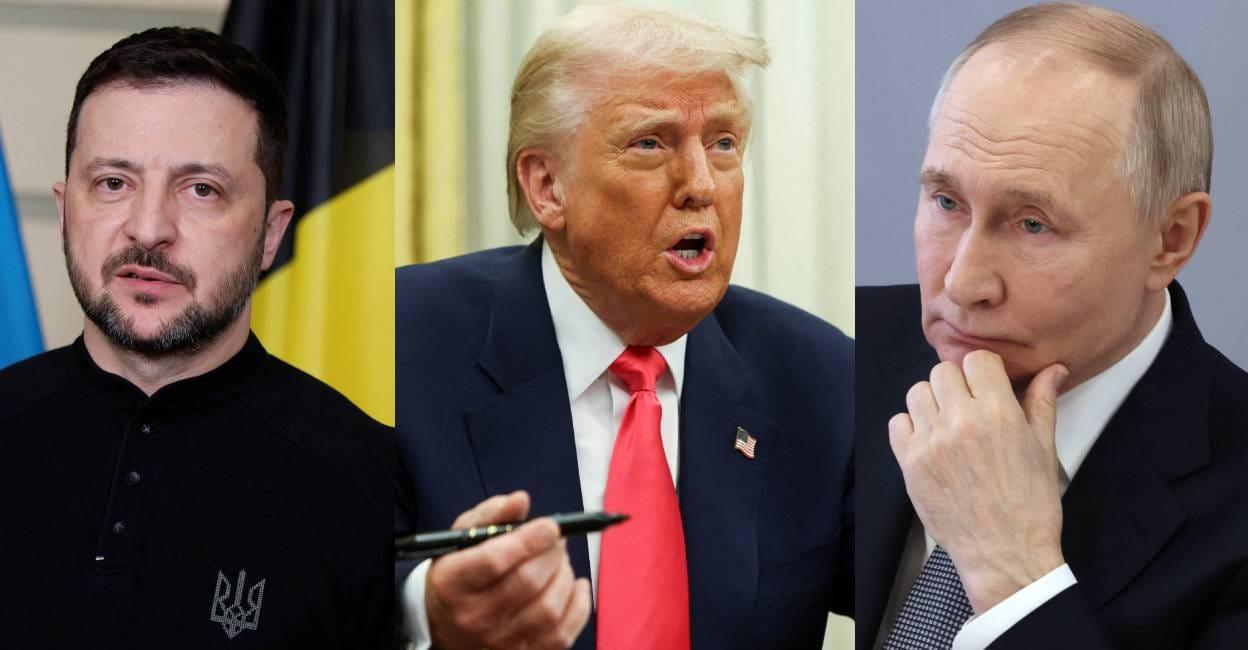
The administration has prepared a range of escalatory options after recent sanctions. It expects the effectiveness of new measures to become clearer in the coming weeks.
Economic Sanctions and Conflict Dynamics
Several outlets frame the battlefield as either locked in place or moving toward negotiations, which influences the rationale for economic escalation. AnewZ describes the war as a “strategic stalemate.” The Japan Times reports on preparations for additional sanctions if Putin prolongs the conflict.
“The war in Ukraine has reached a strategic stalemate, suggesting the conflict may either freeze indefinitely or move toward political resolution.”
Other reports place the sanctions within the broader context of the conflict and its global impact, noting that the full-scale invasion began in February 2022 and continues to have geopolitical consequences. Some analysis suggests that increasing financial pressure could accelerate a ceasefire by limiting Moscow’s war budget.