
US President Donald Trump Says US Has Held Talks With Iran; Iran Denies Claim
Key Takeaways
- Trump says talks with Iran were very good and productive.
- Iran denies any negotiations or talks with the United States.
- Trump postpones strikes on Iran's energy infrastructure for five days.
Trump's Announcement
President Donald Trump dramatically announced on Monday, March 23, 2026, that the United States had engaged in 'very good and productive conversations' with Iran over the past two days.
“Trump told reporters that the U”
The president claimed these discussions were aimed at achieving 'a complete and total resolution of our hostilities in the Middle East' and that there was a 'very serious chance of making a deal.'

Trump identified his son-in-law Jared Kushner and Special Envoy Steve Witkoff as the lead negotiators for the US side, though he refused to name the Iranian counterpart.
He only described the Iranian official as 'a man who I believe is the most respected' and 'not the new supreme leader Mojtaba Khamenei.'
The announcement came just hours before a deadline Trump had set for Iran to reopen the strategic Strait of Hormuz shipping lane.
The Strait of Hormuz normally handles approximately one-fifth of global oil supplies.
Iran's Denial
Iran swiftly and categorically denied Trump's claims of ongoing negotiations, with multiple officials rejecting what they termed as 'fake news' and psychological warfare.
Iranian Foreign Ministry spokesman Esmaeil Baqaei stated unequivocally that 'no negotiations have been held with the US, and fake news is used to manipulate the financial and oil markets and escape the quagmire in which the US and Israel are trapped.'

Iranian Parliament Speaker Mohammad Bagher Ghalibaf reinforced this denial on social media, writing 'No negotiations have been held with the U.S., and fake news is used to manipulate the financial and oil markets and escape the quagmire in which the US and Israel are trapped.'
Iranian state media portrayed Trump's announcement as a retreat under pressure, with Tasnim news agency reporting that Iran's clear response has been that it 'will continue its defense until the required level of deterrence is achieved.'
The Iranian Defense Council also escalated rhetoric, threatening to deploy naval mines across the 'entire Persian Gulf' in response to any potential US land invasion.
Indirect Communications
Despite the conflicting narratives, reports emerged that indirect communications were occurring through regional intermediaries, with several Middle Eastern and Asian countries facilitating dialogue between Washington and Tehran.
“- Dimona and Arad: The casualty toll from Iran’s Saturday attack on the towns of Dimona — which hosts Israel’s main nuclear facility on its outskirts — and Arad has risen, with at least 180 people injured”
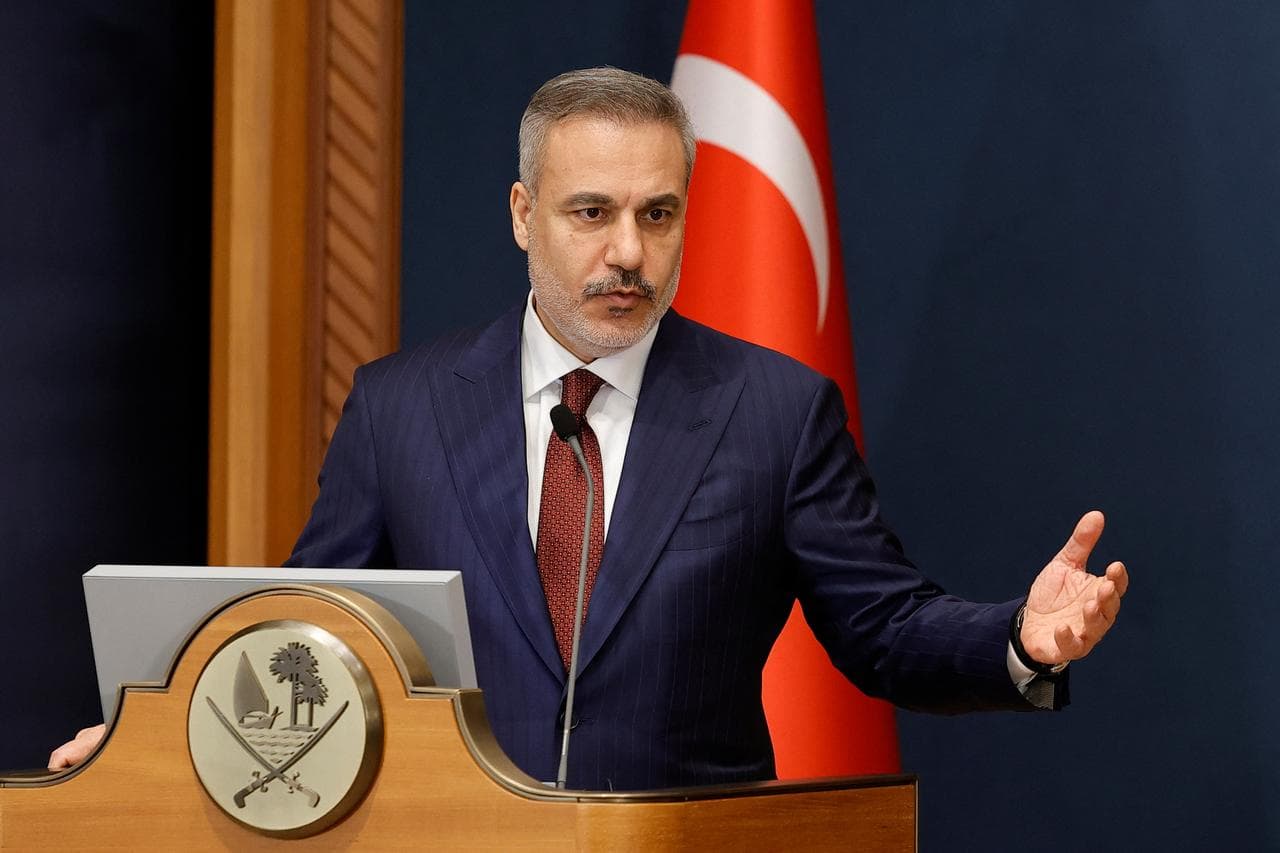
Turkish, Egyptian, and Pakistani officials were reportedly passing messages between the US and Iran over the past two days, according to sources familiar with the matter.
Egyptian Foreign Minister Badr Abdelatty held a call on Sunday with US envoy Steve Witkoff and Iranian Foreign Minister Abbas Araghchi, along with counterparts from Pakistan, Turkey, and Qatar.
A Pakistani official indicated that direct talks could take place in Islamabad as early as that week, with US Vice President JD Vance potentially joining envoys Steve Witkoff and Jared Kushner to meet Iranian officials.
The International Committee of the Red Cross meanwhile warned that 'deliberate attacks on essential services and civilian infrastructure can amount to war crimes,' highlighting the humanitarian concerns amid the escalating conflict.
Market Reaction
Global markets reacted dramatically to Trump's announcement, with oil prices plunging and stock markets surging as investors interpreted the diplomatic signals as potential de-escalation.
Brent crude fell more than 7% to around $104 per barrel at one point, having plunged by more than 13% intraday, while WTI also rebounded from deeper early slumps.

The Dow Jones Industrial Average soared on Monday, and global stock markets rallied across Asia, with Japan's Nikkei 225 up 0.9%, South Korea's Kospi rising 1.1%, and Hong Kong's Hang Seng gaining 1.4%.
However, market gains proved fragile as Iran's swift denial renewed uncertainty about the conflict's trajectory.
The International Energy Agency's executive director Fatih Birol warned that the situation in the Middle East is 'very severe' and far worse than the two oil shocks in the 1970s as well as the impact of the Russia-Ukraine war on gas, put together.
The war had already disrupted global energy supplies through Iran's effective closure of the Strait of Hormuz, which normally handles roughly 20% of global oil supplies.
Israel's Continued Strikes
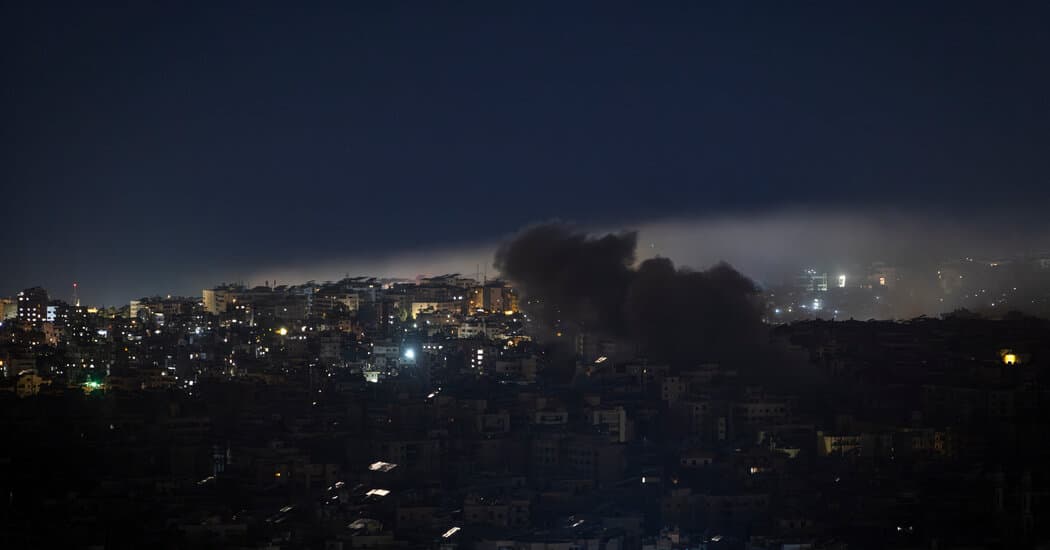
Israel's position remained steadfast even as the United States pursued diplomatic channels, with Prime Minister Benjamin Netanyahu vowing continued military operations against Iran and Lebanon.
“BREAKING Iran denies US President Donald Trump’s claim that it wants to make a dealSeveral reported killed in air attack on Iran-aligned armed group in IraqBuilding in northern Israel damaged after latest Iranian missile attack Click to pause breaking news tickerpause-square-backgroundClose Breaking News Tickerclose Toggle Play Top EU official calls for negotiations with Iran and an end to war European Commission President Ursula Von der Leyen has called for negotiations with Iran and an end to hostilities, and for Iran to end its restrictions on shipping in the Strait of Hormuz”
Netanyahu stated that he had spoken with Trump and acknowledged that the US president believed there was 'a chance to leverage the tremendous achievements of the IDF and the US military in order to realize the war's objectives in an agreement.'

However, Netanyahu emphasized that 'at the same time, we continue to strike both in Iran and in Lebanon.'
The Israeli military confirmed it was working to intercept new salvoes of missiles from Iran while acknowledging its own artillery fire had killed an Israeli civilian a day earlier near the Lebanese border.
The conflict had already resulted in significant casualties, with Iranian media reporting six people killed and 43 injured in strikes on residential buildings in Khorramabad.
Iran's Health Ministry stated the death toll had surpassed 1,500, while Israeli strikes had killed more than 1,000 people in Lebanon and displaced more than 1 million, according to various reports.
More on Iran
Trump Delays Five-Day Iran Strikes as Tehran Denies Talks
24 sources compared

Iran Launches Missiles at Israel as Iran Denies Trump Talks
12 sources compared

Trump says U.S. negotiating with Iran to end war, Iran denies deal.
16 sources compared
Iran Fires Missiles at Israel as Trump Postpones Strikes Over Talks
12 sources compared