South America27 September, 20252 min read
US Revokes Colombian President Gustavo Petro’s Visa After Urging US Soldiers to Disobey Trump
US State Department revoked Colombian President Gustavo Petro’s visa over his New York protest remarks. Petro urged US soldiers to disobey orders from then-President Donald Trump during a pro-Palestinian demonstration.

45 outlets told this the same way.
Outlets did split on Alexandre de Moraes Orders Eduardo Bolsonaro Arrest, Cancels Passport, Enforces Four-Year Sentence →
US-Colombia Diplomatic Tensions
The United States has announced the revocation of Colombian President Gustavo Petro's visa following his participation in a pro-Palestinian protest in New York.
“Petro called for a global armed force prioritizing Palestinian liberation and criticized Trump as ‘complicit in genocide.’”
During the protest, Petro urged U.S. soldiers to disobey orders from then-President Donald Trump and called for the creation of a global armed force larger than the U.S. military to liberate Palestinians.
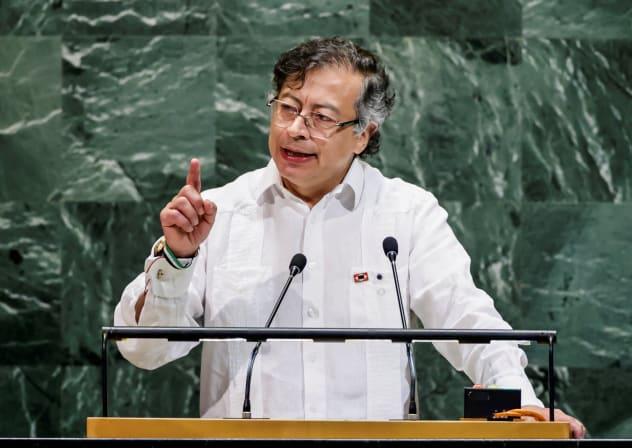
The U.S. State Department condemned Petro's remarks as "reckless and incendiary," leading to the visa revocation.
This decision has further strained U.S.-Colombia relations, which have been tense due to Petro's opposition to U.S. immigration policies and counternarcotics agreements.
Petro's Controversial Speech and Diplomacy
Petro's speech at the protest coincided with the 80th U.N. General Assembly and has been a focal point of controversy.
He accused Trump of complicity in genocide in Gaza and called for legal action over U.S. missile strikes in the Caribbean.
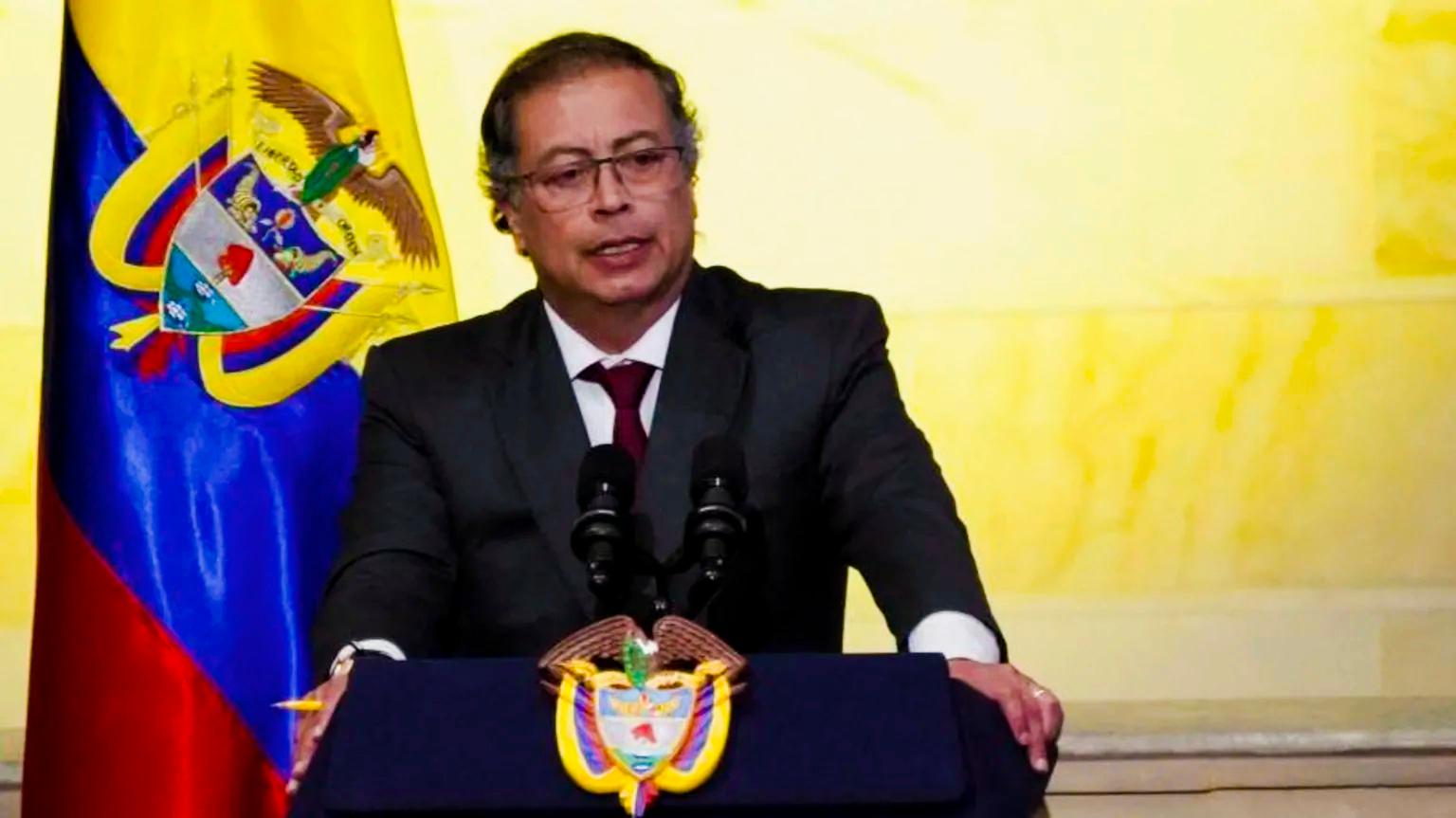
This has been reported as part of a broader pattern of Petro's vocal criticism of U.S. and Israeli policies, particularly regarding the Gaza conflict.
The incident has highlighted the ongoing diplomatic tensions between the U.S. and Colombia, with Petro's leftist government often at odds with the Trump administration's policies.
Visa Revocations Amid Middle East Conflict
The revocation of Petro's visa has sparked criticism from various quarters. Colombia's Interior Minister suggested that Israeli Prime Minister Benjamin Netanyahu's visa should be revoked instead. This reflects the broader geopolitical tensions surrounding the Israel-Gaza conflict and the international community's divided stance on Palestinian statehood.
“Colombia’s Interior Minister criticized the US move, suggesting that Israel’s Prime Minister Netanyahu’s visa should be revoked instead.”
The U.S. decision to revoke Petro's visa is seen by some as part of a larger pattern of cracking down on pro-Palestinian voices. This pattern is also evidenced by the denial of a visa to Palestinian Authority President Mahmoud Abbas.
Diplomatic Tensions Between U.S. and Colombia
Petro's response to the visa revocation has been defiant, as he returned to Colombia and stated that international law grants him immunity to attend the U.N. He also noted that as a European citizen, he can still travel to the U.S. without a visa.
This incident underscores the complex diplomatic relations between the U.S. and Colombia, with Petro's administration often clashing with the Trump administration over issues such as migration and drug trafficking. Despite these tensions, the U.S. remains Colombia's largest trading partner.
