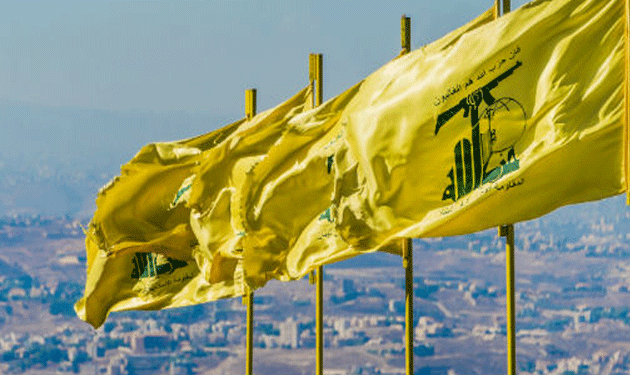
U.S. Sanctions Lebanese Officials, Iran Ambassador Mohammad Reza Raouf Sheibani Over Hezbollah
Key Takeaways
- U.S. sanctions nine individuals linked to Hezbollah, including Lebanese MPs and Amal officials.
- Iran's ambassador to Lebanon sanctioned along with Lebanese political and security figures.
- Two Lebanese officers sanctioned for allegedly sharing intelligence with Hezbollah.
Sanctions Target Hezbollah Links
The United States announced sanctions on nine individuals on Thursday, including Lebanese officials and Iran’s ambassador to Lebanon, Mohammad Reza Raouf Sheibani, saying they contribute to enabling Hezbollah to undermine the sovereignty of the Lebanese state and obstruct the peace process in Lebanon.
“The Lebanese political scene is entering a new zone of turbulence”
The U.S. State Department said the sanctions target individuals obstructing Hezbollah’s disarmament, including members of the Lebanese Parliament, and Lebanese security officials who "exploited their positions to serve a terrorist organization," according to the statement.

In what the U.S. described as a first-of-its-kind move, Washington imposed sanctions on Khodr Nasser al-Din, head of the National Security Department in the Lebanese General Security, and on Col. Samer Hamadi, head of the Dahieh branch of the Army's Directorate of Intelligence.
The U.S. Treasury later announced sanctions on a global money-transfer network that had financed the Lebanese group with more than $100 million, and said the Treasury sanctions included Mohammad Reza Raouf Sheibani and deputies from Hezbollah.
State Department spokesperson Tomi Bejot said Hezbollah's refusal to disarm prevents the Lebanese government from achieving the peace, stability, and prosperity the Lebanese people deserve.
Hezbollah Calls It Intimidation
Hezbollah responded to the U.S. sanctions by calling them a "badge of honor" and a failed attempt at intimidation, urging the state to protect its institutions from American tutelage.
Euronews reported that Washington imposed sanctions on nine Lebanese, including lawmakers and officers, for obstructing the peace process and hindering Hezbollah's disarmament, while Hezbollah said the measures were meant to intimidate official security institutions.

The U.S. Treasury Secretary Scott Bisent said, "Hezbollah is a terrorist organization and must be disarmed completely," adding that the Treasury would continue actions against officials who infiltrated the Lebanese government and enabled Hezbollah’s campaign of violence.
The Palestinian Information Center said Hezbollah attacked the United States following the sanctions package, describing it as "a political intimidation aimed at the Lebanese people" and linking the move to the failure of military pressure to deter the Lebanese from clinging to resistance.
L’Orient-Le Jour said the sanctions came as Lebanon–Israel negotiations were due to discuss the "security aspect" at the Pentagon on May 29, and quoted the U.S. State Department warning, "This is only the beginning."
Pentagon Talks and Political Fallout
L’Orient-Le Jour described the sanctions as an unprecedented level of American pressure because, for the first time, two sitting Lebanese officers were directly targeted by Washington for allegedly transmitting intelligence information to Hezbollah.
The outlet said the U.S. Treasury claims Hezbollah benefited from illicit support from official Lebanese security bodies, namely the Lebanese Armed Forces and the General Directorate of General Security, and it framed the move as a red line Washington had never crossed before.
Africtelegraph reported that Al-Akhbar, close to Hezbollah, claimed Washington was stepping up pressure to widen a rift between President Joseph Aoun and Parliament Speaker Nabih Berri, with the newspaper describing a gradual withdrawal by Berri from the line defined by Baabda.
The same report said the dispute puts at stake the mechanism of Lebanese power based on coexistence between a Maronite president, a Sunni prime minister, and a Shiite speaker of Parliament, and warned that any lasting fracture would complicate adoption of the budget and monitoring of reforms demanded by the International Monetary Fund (IMF).
Africtelegraph also said Berri’s entourage believes frontal pressure on Hezbollah would worsen sectarian tensions and further weaken the institutions, while it added that the Parliament’s chief had signaled through discreet channels that he will not put his political capital at the service of a presidential strategy dictated from abroad.
More on Lebanon
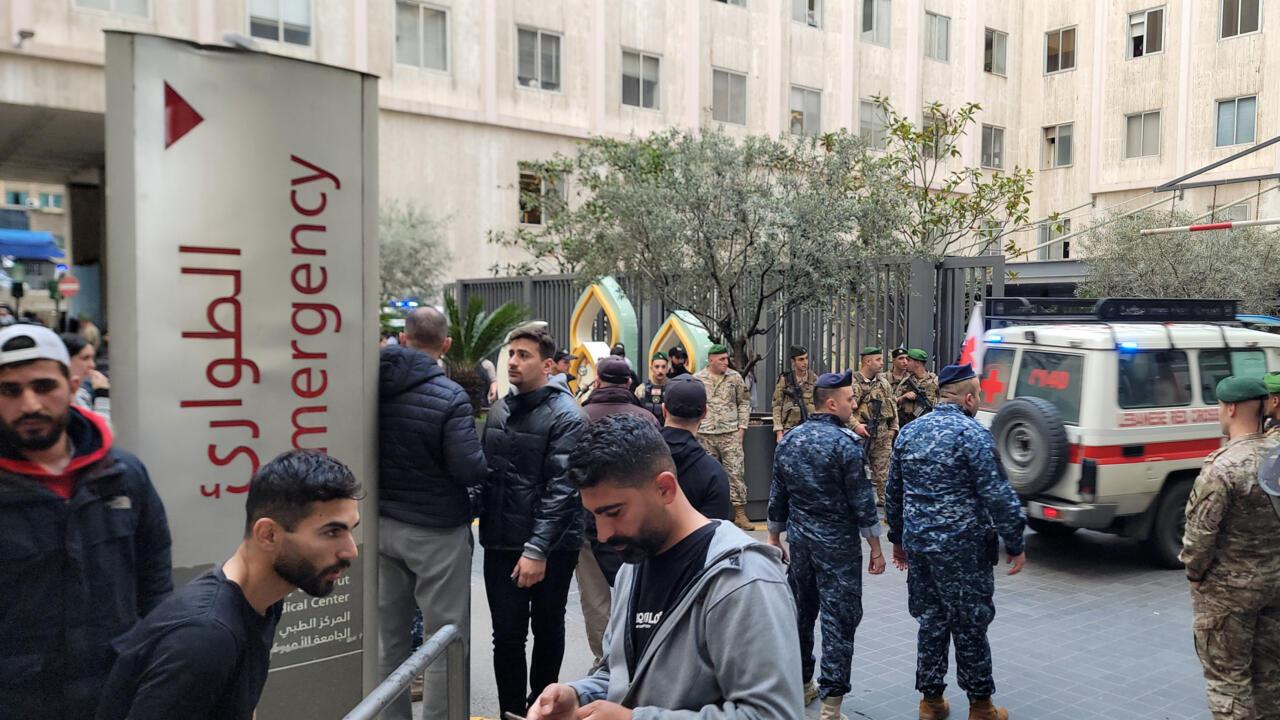
Israel Kills More Than 350 in Beirut Airstrikes After U.S.-Iran Ceasefire
11 sources compared
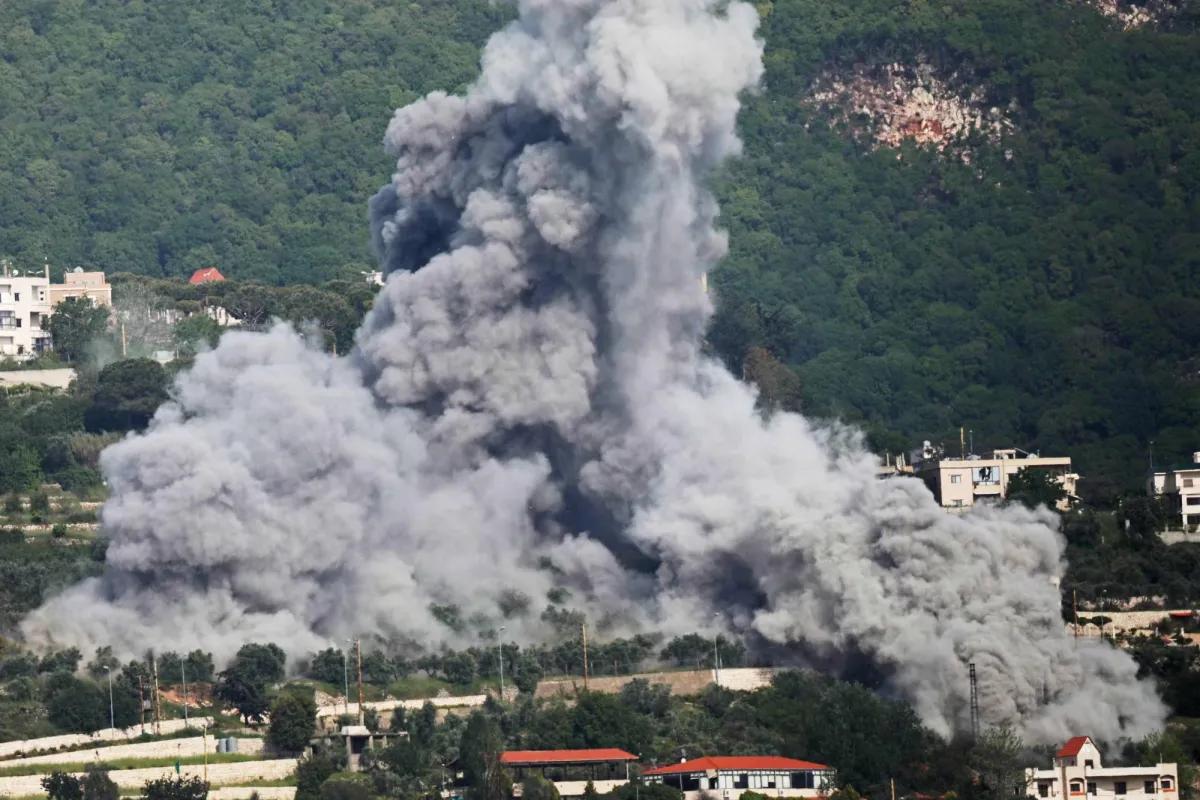
Israel Says Reserve Captain Itamar Saber Killed In Clash With Hezbollah South Of Lebanon
12 sources compared

Lebanese Poll Finds 58% Support Disarming Hezbollah and Peace With Israel
10 sources compared
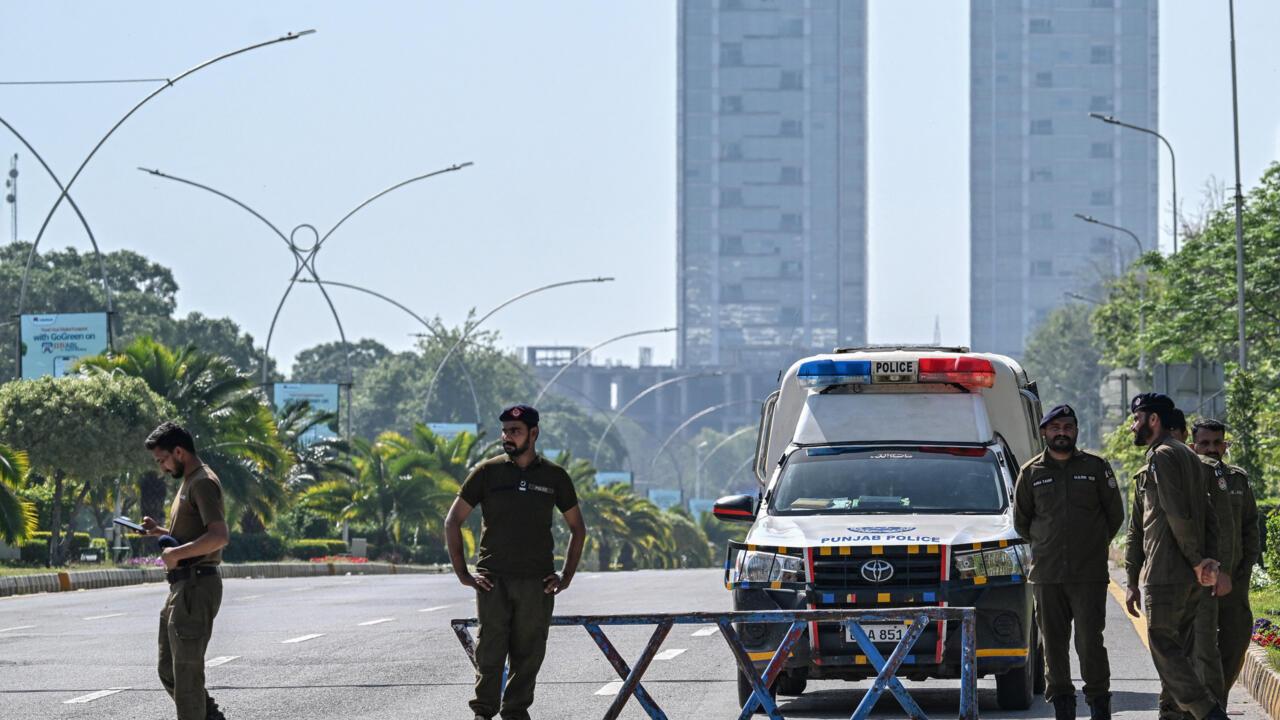
Israeli Strikes Kill 254 in Lebanon as U.S.-Iran Talks Prepare in Islamabad
12 sources compared