Full story
Trump’s Saudi uranium deal
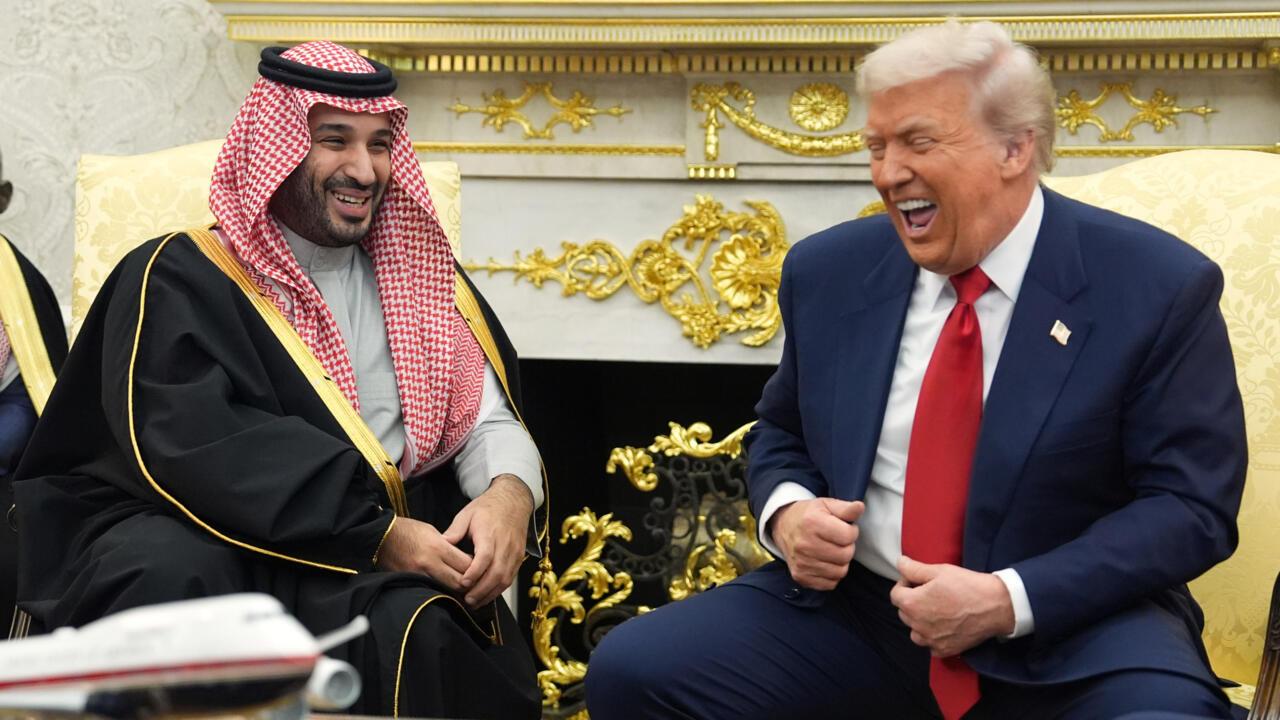
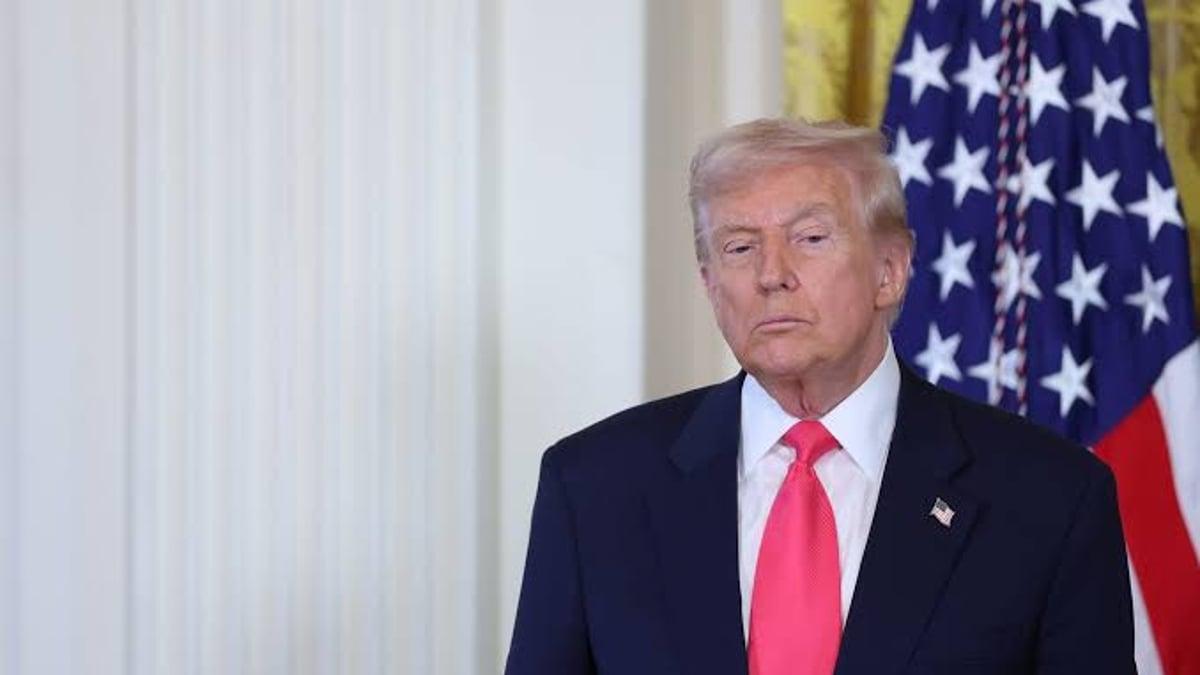
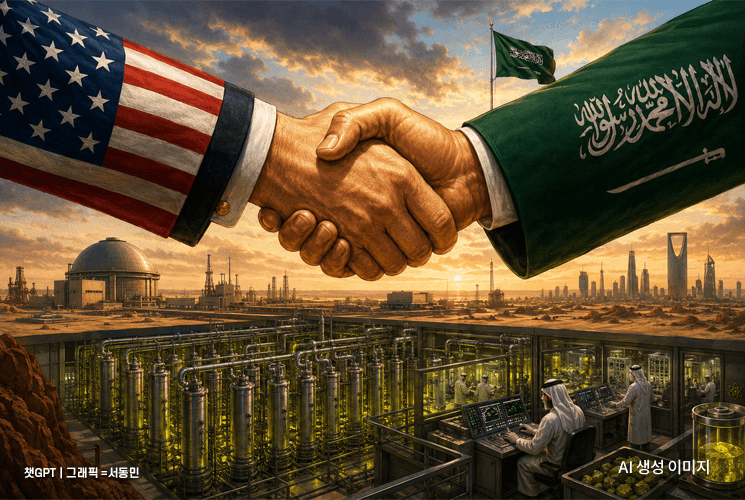
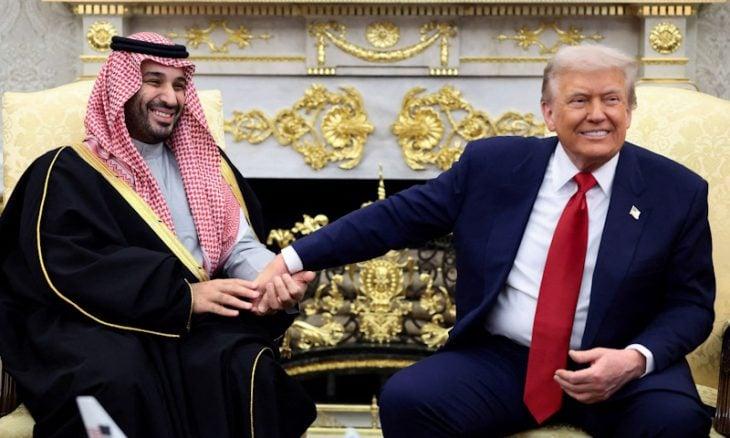
U.S. President Donald Trump approved a civil nuclear cooperation agreement with Saudi Arabia that could allow the kingdom to enrich uranium on its own soil, with the Wall Street Journal and The New York Times reporting that Trump is expected to ask Congress to approve it.
“United States President Donald Trump has approved an agreement that would allow Saudi Arabia to develop a civilian nuclear programme with the potential to enrich uranium on its own soil, marking a significant shift in longstanding US non-proliferation policy, according to media reports”
The proposed deal is described as a 30-year agreement that would permit Saudi Arabia to pursue domestic uranium enrichment following a joint US-Saudi study, and it would involve U.S. firms including Westinghouse, a Pittsburgh-based nuclear energy giant.

The U.S. Department of Energy said the U.S. and Saudi Arabia signed a 123 agreement and an accompanying bilateral safeguards agreement, with U.S. Energy Secretary Chris Wright and Saudi Minister of Energy Abdulaziz bin Salman formally signing the pact.
The agreement is set against the backdrop of the U.S. war with Iran, which the sources say is being fought in part to prevent Tehran from acquiring the ability to build a nuclear weapon.
Critics argue that allowing Saudi Arabia to enrich uranium could weaken the U.S. non-proliferation message, even if the programme is intended for civilian use, while other commentators fear enrichment levels could be misused.
Safeguards and competing reactions
The reported agreement is said to omit the “gold standard” that would prevent the Kingdom from enriching uranium and reprocessing spent nuclear fuel, and it is also reported to omit the International Atomic Energy Agency’s “Additional Protocol” that gives inspectors broader powers.
Michael Horowitz, a geopolitical analyst, said the U.S. reportedly agreed to a deal that “falls both below the gold standard and doesn’t include the Additional Protocol,” adding that “the goal is to get US support for a deal that doesn’t fully exclude a pathway to a nuclear programme.”
U.S. Secretary of State Marco Rubio sought to head off criticism by telling reporters, “The U.S. is not going to reach any agreement with any country in the world that leads to the risk of proliferation.”
In Israel, Heritage Minister Amichay Eliyahu said, “We will do as much as we can, in the international arena, and in our foreign policy, to halt the possibility that in the Middle East a certain country — because we can’t rely on it for the long term — has a nuclear weapon.”
The Jerusalem Post reported that the deal does not mention normalization with Israel, and it said the agreement also does not include the “Additional Protocol,” which grants the UN’s International Atomic Energy Agency broad oversight including snap inspections at undeclared locations.
Congress review and regional stakes
The agreement is expected to be submitted to Congress for review, where it could face opposition among lawmakers who fear a lack of monitoring safeguards to restrict Saudi Arabia’s uranium enrichment.
The Times of Israel said the emerging deal reportedly does not condition the move on normalization with Israel, and it quoted Israeli opposition figures warning that the pact would lead to an “unchecked nuclear arms race in the Middle East.”
The Guardian reported that the U.S.-Saudi framework was once discussed alongside a normalization requirement under the Biden administration, but that the Trump administration revived talks by removing that requirement.
In the U.S. debate, Alexander Bollfrass, a nuclear expert at the International Institute for Strategic Studies in London, called the deal “a revolutionary new approach” to nuclear nonproliferation policy, saying the U.S. is “not asking Saudi Arabia to abide by the highest possible safeguards.”
The stakes extend to the broader regional nuclear balance as nonproliferation experts warn that any spinning centrifuges within Saudi Arabia could open the door to a possible weapons program, while the sources also note that Saudi Arabia has said it would seek a nuclear weapon if Iran ever acquires one.