Full story
US-Saudi nuclear deal signed
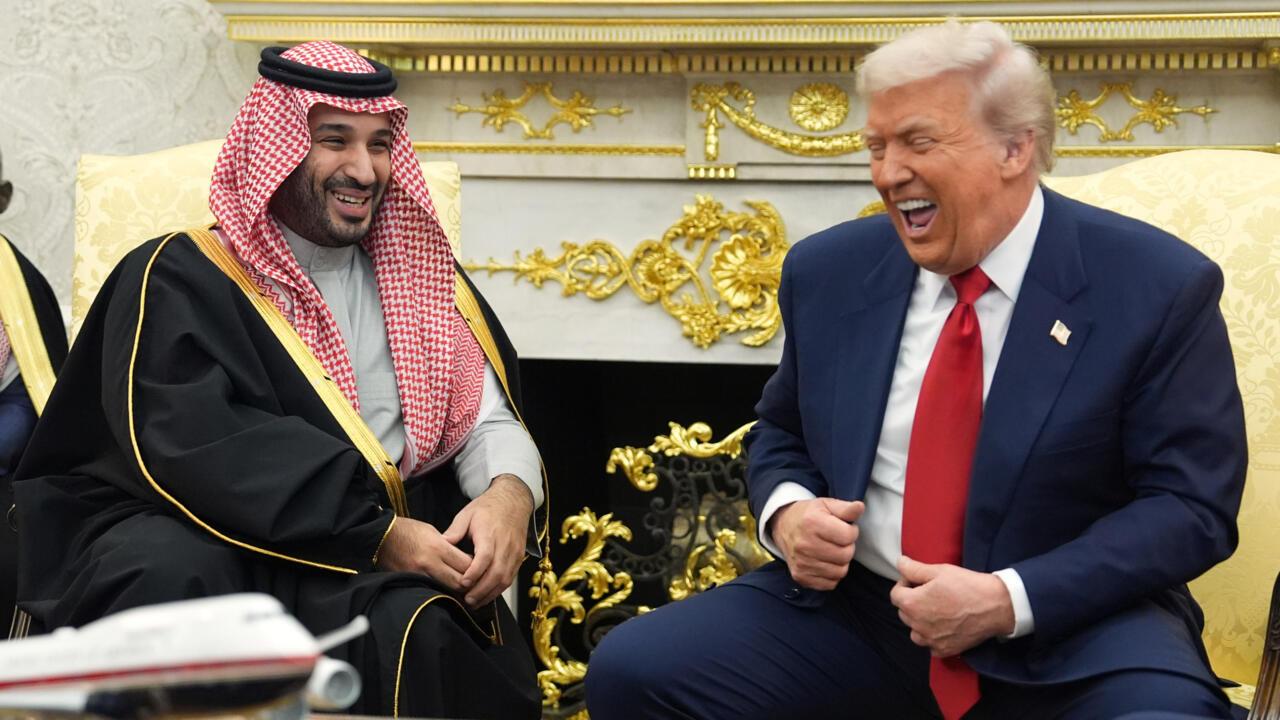
The United States and Saudi Arabia signed a civilian nuclear cooperation agreement on Wednesday, with the U.S. Department of Energy saying it was a “peaceful nuclear cooperation agreement” commonly known as a 123 agreement.
“US, Saudi Arabia sign landmark nuclear power agreement The multibillion-dollar agreement will now undergo congressional review, with expected provisions on uranium enrichment likely to draw scrutiny from some lawmakers”
US Energy Secretary Chris Wright and Saudi Energy Minister Prince Abdulaziz bin Salman signed the 123 Agreement alongside a bilateral safeguards agreement, and the Energy Department said the two agreements “lay the legal foundation for a decades-long, multibillion-dollar partnership.”

The deal is expected to be transmitted to Congress for review under Section 123 of the U.S. Atomic Energy Act of 1954, with a 90-day review period under the Atomic Energy Act described by Al-Monitor.
Multiple reports said the agreement could set the stage for uranium enrichment on Saudi soil, with CBS News saying the deal could allow Saudi Arabia to have a civilian nuclear program “in cooperation with American companies,” while Al-Monitor said expected provisions on uranium enrichment were likely to draw scrutiny from some lawmakers.
Wright defends, critics object
Wright said in a statement that “Rest assured, these agreements uphold the highest standards of nuclear safety and nonproliferation,” while CBS News reported that the agreement’s text had not yet been released and would go to Congress for review.
Al-Monitor reported that the deal would next be transmitted to Congress for review under Section 123, where lawmakers could attempt to block it through a joint resolution of disapproval, and it said some lawmakers were expected to scrutinize provisions on uranium enrichment.
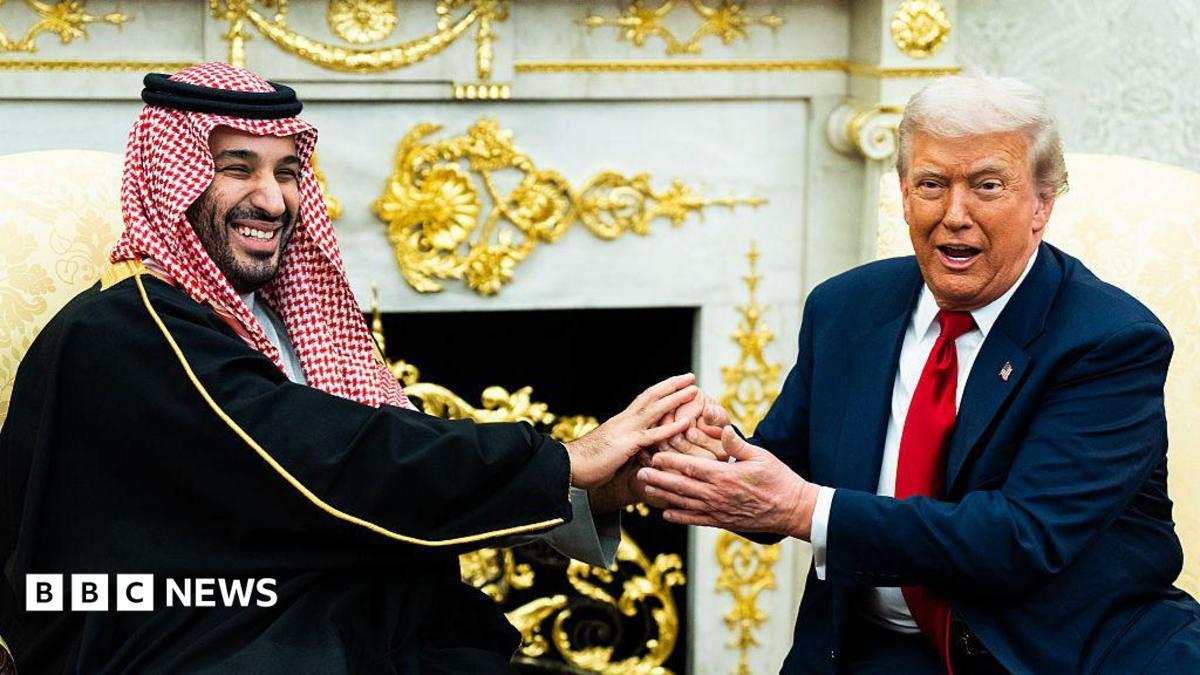
Sky News said Democratic lawmakers warned the deal could trigger an arms race in the Middle East, quoting Senator Edward Markey saying it would “make us all less safe” and risk “allowing Saudi Arabia, a belligerent and authoritarian nation, to develop nuclear weapons technologies.”
The Washington Post reported that the agreement was certain to spark heated debate in Congress and said it includes a waiver that exempts the Saudis from “the aggressive international inspections required in nuclear reactor deals with other countries.”
Congress review and regional fallout
The agreement’s next step is congressional review, with Al-Monitor describing a 90-day review period under the Atomic Energy Act and the possibility of a joint resolution of disapproval.
The Guardian reported that the U.S.-Saudi deal is expected to last 30 years and could allow for the building of a uranium enrichment facility in Saudi Arabia after a joint US-Saudi study, while also noting that it was likely to face opposition among lawmakers who feared a lack of monitoring safeguards to restrict enrichment.
The Guardian also quoted Rosemary Kelanic warning that “Giving Saudi Arabia uranium enrichment technology is a terrible idea on many counts,” and it framed the decision as reckless in the middle of a war over Iran’s nuclear programme.
In parallel, CBS News said Westinghouse Electric Company, which builds nuclear reactors, was one of the U.S. companies planning to help develop Saudi Arabia’s nuclear sector, and it quoted Westinghouse CEO Dan Sumner saying the deal would “strengthens energy security” and expand opportunities for U.S. industry and workers.