Full story
Trump backs Saudi enrichment
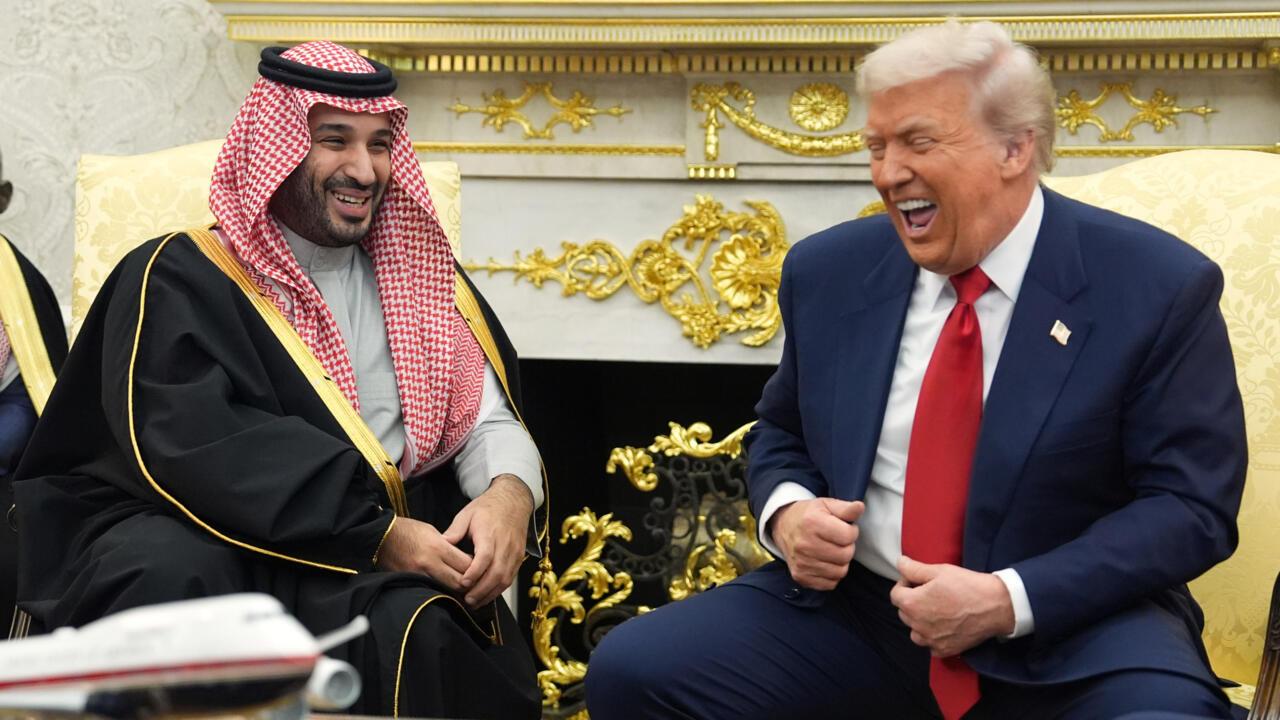
President Donald Trump has approved a civil nuclear agreement with Saudi Arabia that could provide the kingdom with uranium enrichment capability for its civilian nuclear programme, according to news reports citing people familiar with the matter.
“United States President Donald Trump has approved an agreement that would allow Saudi Arabia to develop a civilian nuclear programme with the potential to enrich uranium on its own soil, marking a significant shift in longstanding US non-proliferation policy, according to media reports”
The deal is expected to last 30 years and could allow for the building of a uranium enrichment facility in Saudi Arabia after a joint US-Saudi study, with US firms such as Westinghouse involved in developing the programme.

NBC News reported that a senior administration official said the agreement would see the U.S. support the creation of a nuclear power program and see American companies build the program in the kingdom, and that Congress would be required to vote on the agreement.
The BBC said US Energy Secretary Chris Wright stated the two deals signed with Saudi Arabia uphold the "highest standards of nuclear safety and nonproliferation" and that the agreement will now be transmitted to Congress for review.
AP reported that the agreement is expected to be announced publicly as early as Wednesday and that it could allow for the building of a uranium enrichment facility in Saudi Arabia following a joint U.S.-Saudi study, but that it was not expected to include the IAEA’s Additional Protocol.
Debate over safeguards
Critics and lawmakers fear the reported Saudi enrichment pathway could weaken the U.S. message during the war against Iran, with the Guardian noting the timing is controversial as the U.S. war with Iran is being fought in part to prevent Tehran enriching uranium domestically.
Rosemary Kelanic of Defense Priorities warned in a social media post, "Giving Saudi Arabia uranium enrichment technology is a terrible idea on many counts," and she added it was "especially idiotic to do it *in the middle of a war over Iran’s nuclear programme*."
Secretary of State Marco Rubio told NBC News ahead of the announcement that the U.S. would not “reach any agreement with any country in the world that leads to the risk of proliferation.”
The BBC said Kelanic told the BBC it was "quite shocking" that the US is potentially signing a deal that will allow Saudi Arabia to have facilities to enrich uranium.
AP reported that the deal could face headwinds among lawmakers who fear that helping the Saudis fulfill their long-standing desire to enrich their own uranium would open new rounds of nuclear proliferation and competition.
Congressional review and fallout
The agreement is expected to be submitted to Congress for review, and the BBC said it will now be transmitted to Congress for review after US Secretary of Energy Chris Wright and Saudi Minister of Energy His Royal Highness Prince Abdulaziz bin Salman signed a peaceful nuclear cooperation agreement.
“US Energy Secretary Chris Wright says the two deals signed with Saudi Arabia uphold the "highest standards of nuclear safety and nonproliferation"”
NBC News said Congress would be required to vote on the agreement, but would need a veto-proof majority to actually block the deal, which could pave the way for the kingdom to pursue its own uranium enrichment and likely raise fears of nuclear proliferation.
AP reported that the deal is expected to last 30 years and involve U.S. firms in developing the program, while also saying it was not expected to include the IAEA’s Additional Protocol.
The Guardian reported that the plan is expected to be submitted to Congress for review, where it could face opposition among lawmakers who fear a lack of monitoring safeguards to restrict Saudi Arabia’s uranium enrichment.
For the U.S., the BBC said the deals were designed right here in the United States and relied on the world's best nuclear technology and scientists, while AP tied the timing to the war against Iran launched by the U.S. and Israel to wipe out Tehran’s ability to develop a nuclear weapon.