USA03 August, 20262 min read
U.S. Seeks Clarion-Clipperton Zone Mining Presence to Cut China Dependence
This article is an automated aggregation of coverage from news outlets. Our editorials offer in-depth analysis curated by the NewsCord team.
U.S. seeks a CCZ seabed mining presence to secure critical minerals. UN-backed talks scrutinize US unilateral deep-sea mining, pushing longer processes.
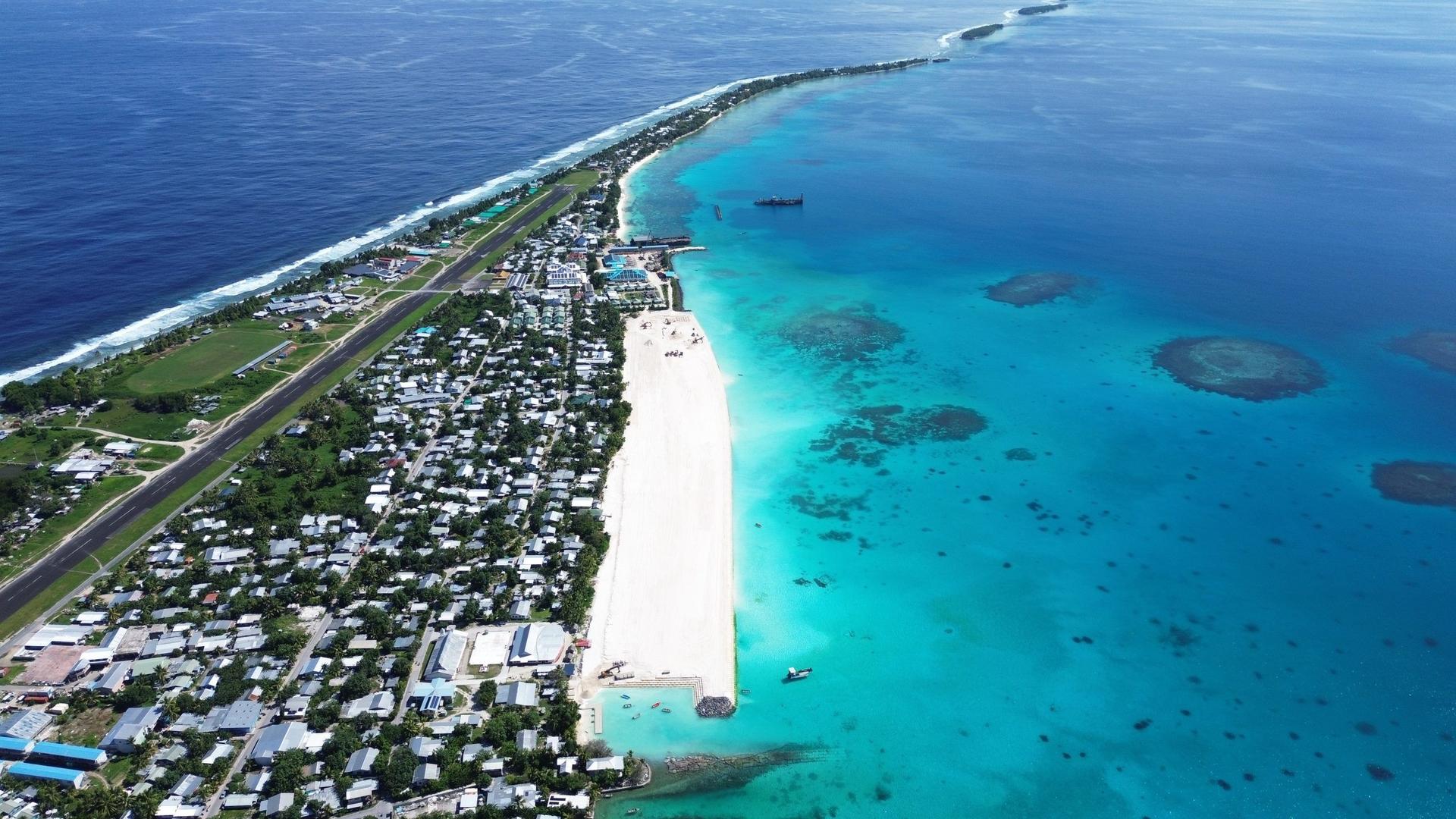
U.S. pushes Pacific mining
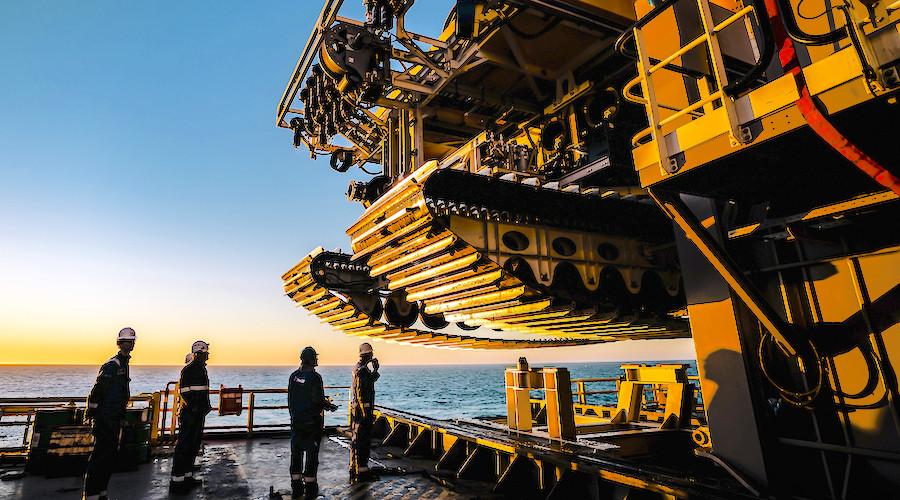
The United States is pushing to establish an ocean floor mining presence in the Clarion-Clipperton Zone, a vast expanse of international waters in the Pacific Ocean rich in minerals including cobalt, manganese, copper, and others that the U.S. and allies rely on for vital national security interests like advanced manufacturing and energy production. Advocates of the proposal argue it would help reduce America’s dependence on China, which controls around 90% of rare earth processing and refining and was the leading source of dozens of mineral commodities imported to the U.S. from 2020-2023.
One company conducted exploratory tests in 2022 and is now seeking final governmental approval to mine the area based on domestic law such as the Deep Seabed Hard Minerals Resources Act (DSHMRA), which allows for American companies to mine international waters with federal approval, and Executive Order 14285, which expedites the permitting approval process. The Center for Maritime Strategy warns that approving unilateral mining permits in international waters under domestic authority would bypass an international framework and set a precedent for other countries to pursue similar endeavors.
ISA talks in Jamaica
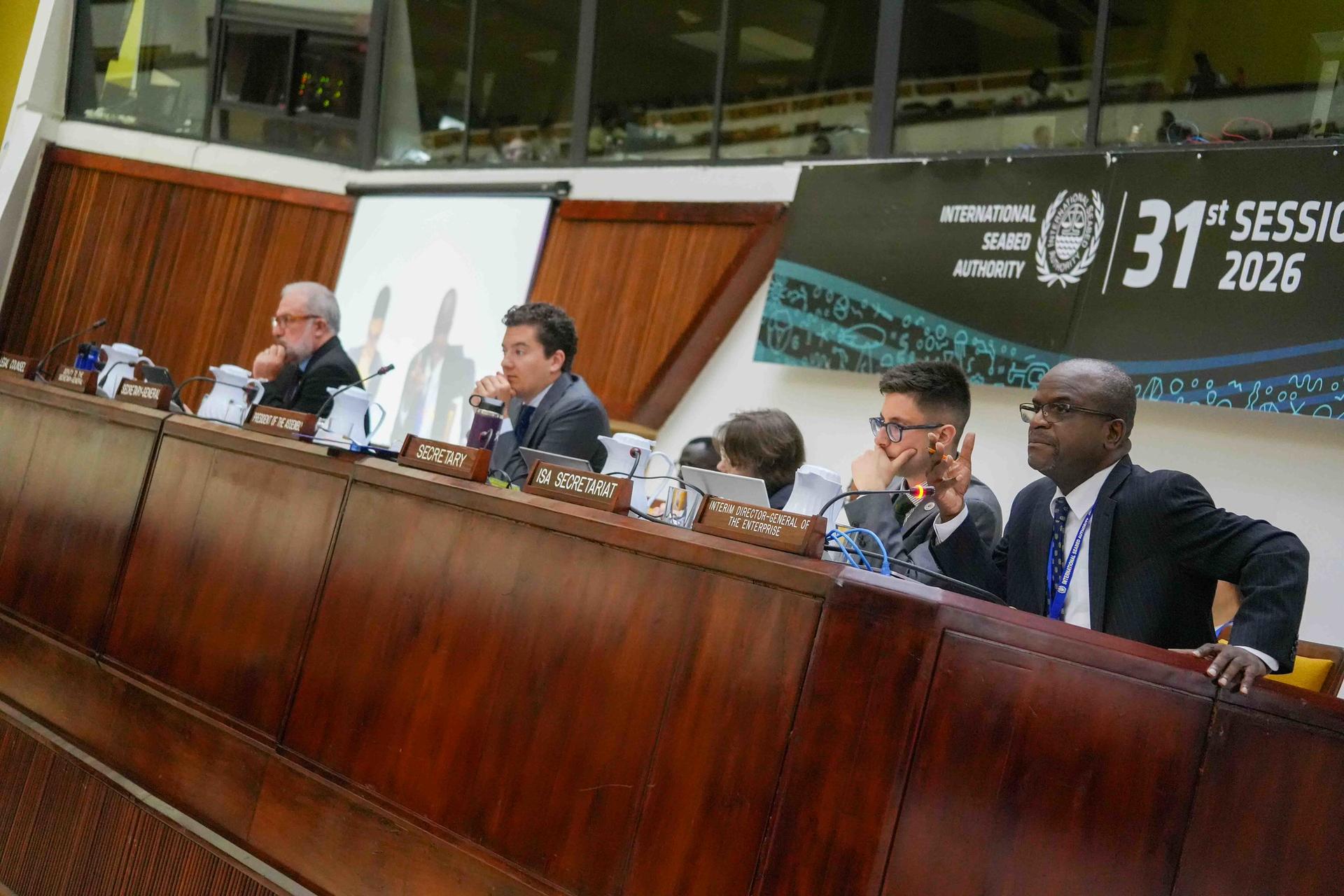
At the International Seabed Authority (ISA), campaigners accused the ISA of enabling a destructive deep-sea industry after it closed its 31st Assembly session in Jamaica by “rewarding a company connected to unlawful mining plans” and inviting commercial contractors to observe its proceedings. Ocean Campaigner at Greenpeace International Haldis Helle said: “While governments buried their heads in the sand over illegal US unilateralism, the ISA has actively rolled out the red carpet for rogue corporations,” she said.
The ISA session was marked by a divide between a coalition of nations demanding stronger protections and an authority that campaigners say is “increasingly beholden to corporate interests,” while the ISA Council extended the exploration contract for Nauru Ocean Resources Inc., a subsidiary of The Metals Company. In a separate account of the same ISA talks, Climate Home News said the annual three-week discussions ending on Friday in Kingston “ended with no immediate breakthroughs” and instead started “long processes” to challenge Washington’s approach.
Legal and strategic stakes
Governments at the UN are weighing response to the United States going alone on deep-sea mining, with consultations on whether to request an advisory opinion from the International Tribunal for the Law of the Sea (ITLOS) to clarify the legality of U.S.-issued permits in the Clarion-Clipperton Zone. Climate Home News reported that the ISA will also move forward with an inquiry into its contractors, including The Metals Company (TMC), after the company tried to prevent the inquiry by suing the ISA at the ITLOS for allegedly acting in bad faith.
The article also quotes ISA secretary-general Letícia Carvalho saying the past year “presented both significant challenges and noteworthy achievements,” and describing deep-seabed resources as “the common heritage of humankind”. The Center for Maritime Strategy frames the strategic stakes as a loss of leverage and credibility for the U.S. if it unilaterally mines the seabed, warning that “If the U.S. similarly violates these norms, criticism of Chinese violations is no longer credible.”