Crypto01 June, 20263 min read
US Senate Returns To Resume Debate On Republicans’ CLARITY Act For Crypto Market Structure
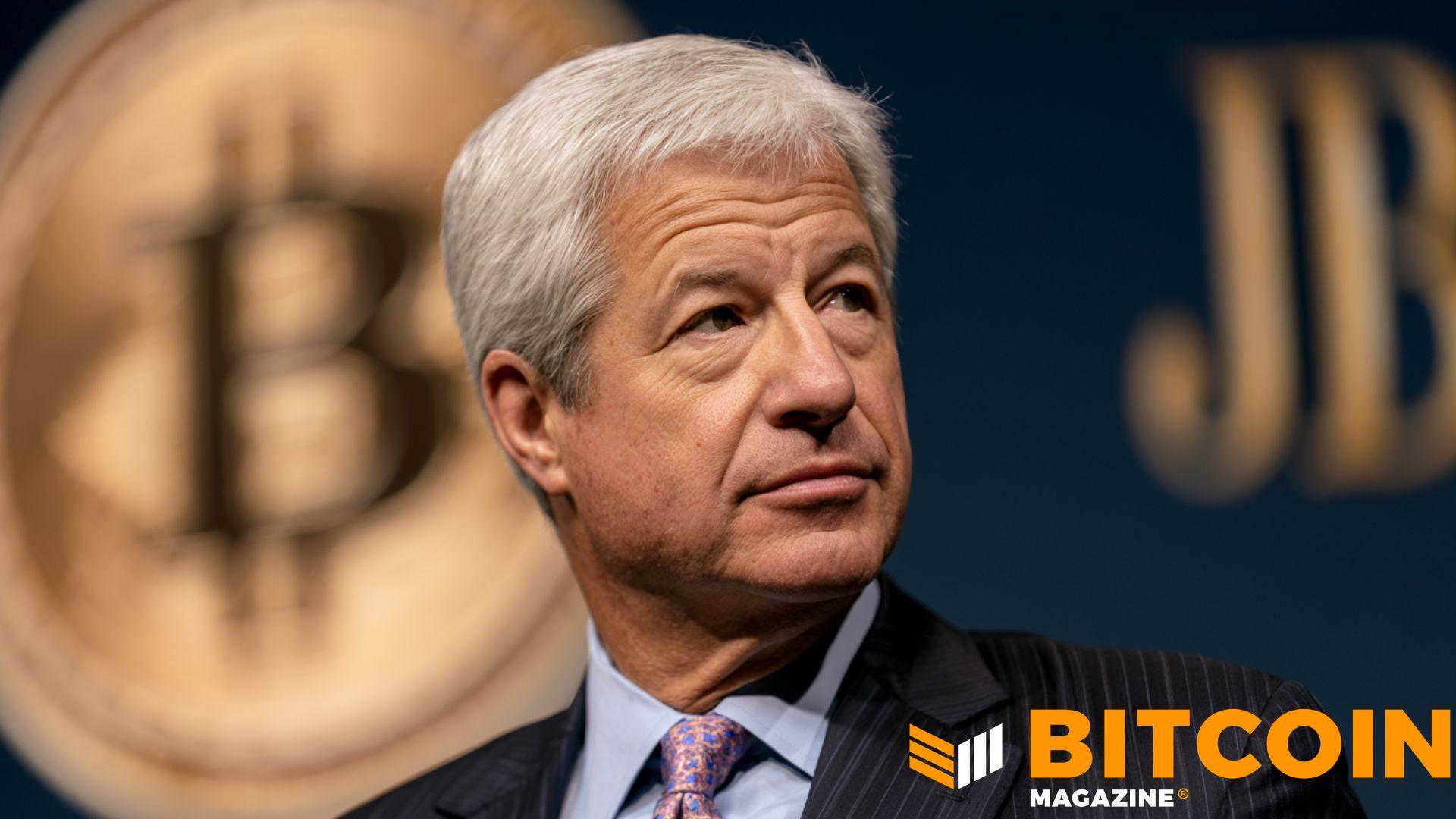
Senate returns to debate CLARITY Act, consolidating competing bill versions. Jamie Dimon says banks will fight provisions permitting interest on crypto deposits under CLARITY Act.

CLARITY Act returns
Debate on the Digital Asset Market Clarity (CLARITY) Act is set to resume as the US Senate returns after an extended Memorial Day holiday, with lawmakers reconvening this week to continue consideration of the crypto market structure bill. The CLARITY Act, introduced by Republicans and passed by the House of Representatives in July 2025, has already passed two crucial committees before the one-week break, and it is expected to give more authority to the federal commodities regulator over digital assets. Coinbase chief policy officer Faryar Shirzad said in a Monday Fox Business interview, “This will be actually the biggest financial regulatory bill that Congress has done in quite some time, certainly since Dodd-Frank,” while JPMorgan CEO Jamie Dimon said on Friday the banking industry would not accept the CLARITY Act as written.
Dimon argued the bill allows crypto companies to pay interest on user deposits and stablecoin balances, and this week’s Senate work also includes consolidating versions of market structure passed by the agriculture committee in January and banking committee in May. Supporters and critics are also focused on whether the bill could be ready for a vote by August, with White House crypto adviser Patrick Witt saying in May officials were setting a target for the US’ Independence Day holiday, though it was unclear whether the bill would be ready amid pushback over ethics.

Ethics and votes
US Senator Kirsten Gillibrand said in May, “there will be no one voting for this bill if we don’t have an ethics provision,” as lawmakers in the banking committee did not take up consideration of amendments that would have addressed ethics and conflicts of interest. The debate over CLARITY is also tied to potential timing and vote math, because if a consolidated bill reaches the Senate floor in a matter of weeks, the Republican-led chamber would still need some support from Democrats to meet the 60-vote requirement to pass the legislation. Some lawmakers, including Senator Elizabeth Warren, have called out US President Donald Trump’s ties to the crypto industry in debate on CLARITY, based on his memecoin, his family’s crypto business World Liberty Financial and other conflicts as an elected official.
In parallel, more than $1.1 million has been wagered on Polymarket on the likelihood of the law's passage this year, with the prediction market showing a 55% chance of that happening, at last look on Monday. The same sources also describe how the Senate could consolidate versions of market structure passed by the agriculture committee in January and banking committee in May, creating legislation some in the chamber expect will be up for a vote by August.
GENIUS implementation
Beyond CLARITY, the US Treasury Department, Federal Deposit Insurance Corporation (FDIC), Financial Crimes Enforcement Network (FinCEN) and Treasury’s Office of Foreign Assets Control will close for public comments on the GENIUS Act on Tuesday, as the stablecoin payments bill signed into law in July 2025 moves toward implementation. The Tuesday deadline is expected to mark the next step in GENIUS’ implementation even though at least one banking group has requested that the government agencies extend the comment period. According to the bill, it will go into effect 18 months after enactment or 120 days after regulators issue final rules, linking the timeline to both enactment and final rulemaking.
The CLARITY debate is also being framed as having global reach, with supporters and critics arguing the legislation could shape cryptocurrency regulation far beyond Washington. As the Senate returns to continue CLARITY work, the sources also note that the debate is extending beyond US borders, with the outcome positioned as a potential driver for how digital asset rules develop internationally.