Full story
Strikes and counterstrikes
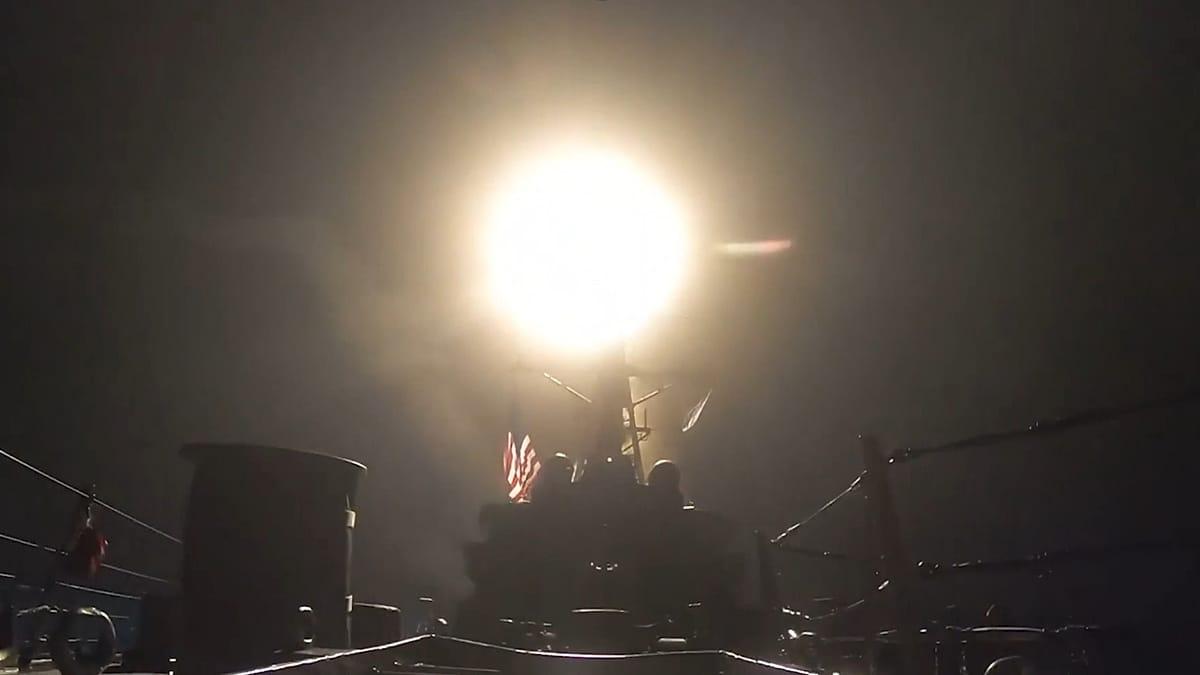
The United States intensified its strikes against Iran on Thursday, hitting targets farther north and firing into a ship the U.S. accused of trying to break its naval blockade on the Islamic Republic.
Iran retaliated by launching missiles and drones at U.S. allies in the region, while AP reported that Iranian officials said U.S. strikes had killed more than 35 people and wounded over 300 others.

The Guardian said the U.S. military completed a fresh wave of evening strikes against Iranian targets on Thursday morning local time to degrade Iran’s ability to threaten ships transiting the strait of Hormuz, including the southern port city of Bandar Abbas.
The Guardian also reported that the Iranian army said it targeted US military facilities in Jordan with drones on Thursday, and that it said it targeted communication systems and fuel storage facilities of the US military there using kamikaze drones.
In the same reporting, the Guardian said Iranian state media reported explosions in several cities including Bandar Abbas, Rask and Chabahar, while earlier reports also cited blasts around southern sites including Qeshm and Bandar Imam Khomeini, as well as in Bushehr, home to Iran’s only civilian nuclear plant.
Red line rhetoric
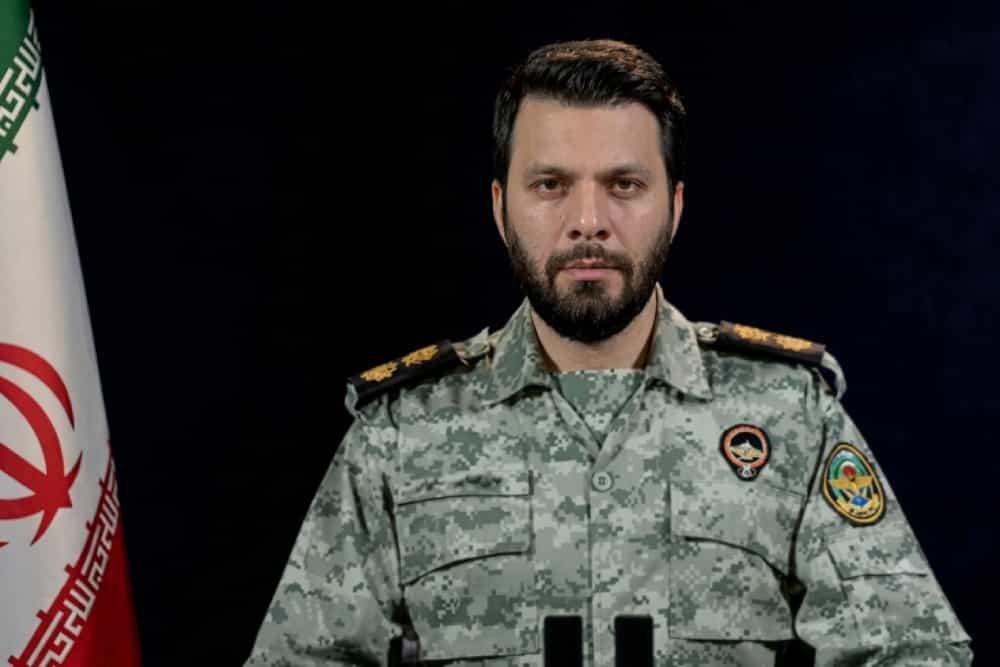
AP quoted Col. Ebrahim Zolfaghari, a spokesperson for the Iranian military’s Khatam al-Anbiya Central Headquarters, threatening that Iran could launch widespread attacks on “all the infrastructure in the region” if the U.S. acted on President Donald Trump’s repeated warnings.
AP also reported Zolfaghari’s warning that “This is Iran’s invincible red line,” as Iran framed the Strait of Hormuz as a “red line.”

CBS News said White House press secretary Karoline Leavitt told reporters that the president was “not going to sit by and allow these acts of terrorism to take place in the strait without ensuring Iran pays consequences.”
CBS News added that the U.S. announced a sixth consecutive night of strikes late Thursday, saying they were “to further degrade Iranian military capacities.”
Blockade, shipping, and escalation
The U.S. blockade and ship interdictions were central to the latest phase, with DW reporting that CENTCOM said the Curacao-flagged M/T Belma “ignored multiple warnings as it attempted to violate the US blockade” and that a U.S. aircraft disabled the vessel after firing hellfire missiles into the ship’s smokestack.
DW also said CENTCOM reported that since it enacted the latest US blockade of the Strait of Hormuz, it had “redirected two compliant commercial vessels and disabled one non-compliant vessel,” keeping pressure on shipping toward Iran’s main export terminal.
NBC News said the renewed threats to the Strait of Hormuz “have shredded the interim deal to end the Iran war,” and it reported that Iranian officials said U.S. strikes had killed more than 35 people and wounded more than 300 others.
In the same NBC report, Col. Ebrahim Zolfaghari threatened that “All the infrastructure in the region will be crushed under the steel blows of the powerful armed forces of the Islamic Republic of Iran” if Trump’s threats were carried out, tying the next steps directly to infrastructure targeting.
The Guardian framed the immediate operational aim of the U.S. strikes as degrading Iran’s ability to threaten ships transiting the strait of Hormuz, while AP described the interim ceasefire as collapsed and the region enduring days of back-and-forth attacks focused on the Strait of Hormuz.