Full story
Sixth Night Strikes
The United States launched strikes on Iran for a sixth night in a row, including an attack on Greater Tunb Island that targeted Iranian defence and missile sites, according to US Central Command.
“Iran 'continues to talk' with US despite strikes, White House says White House press secretary Karoline Leavitt told reporters that Iran still wants to talk when pressed about the current state of talks on Thursday”
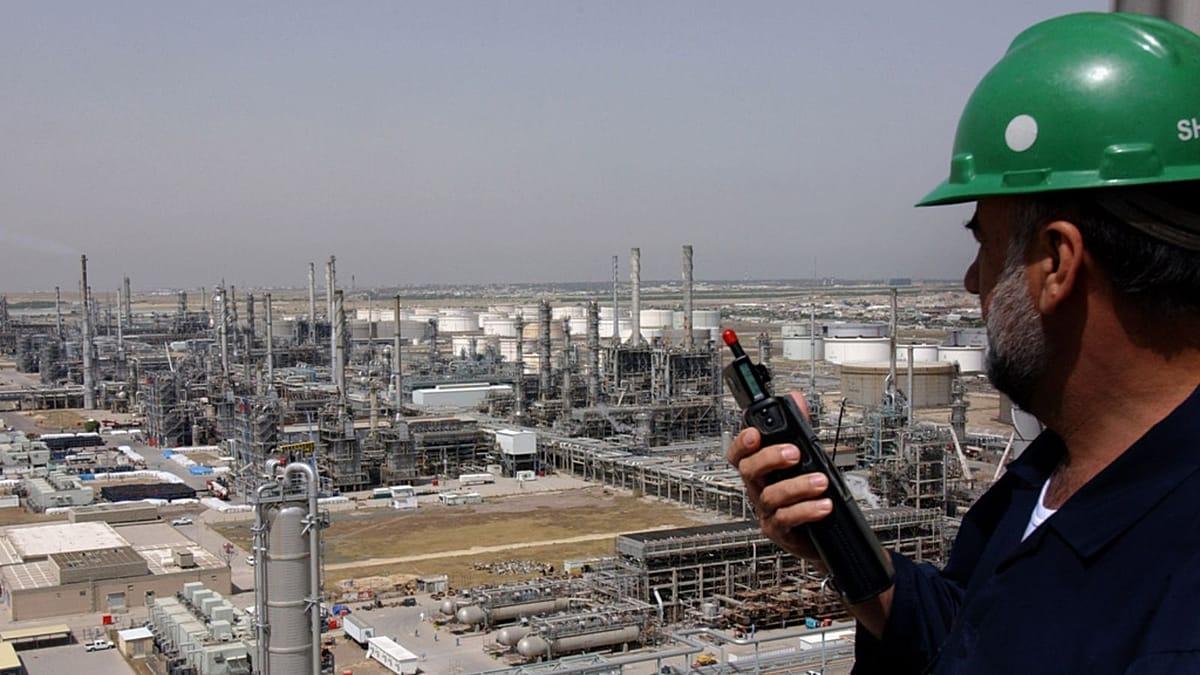
The US said it struck Iranian command centres, air defence sites, missile and drone capabilities, and coastal surveillance facilities, with multiple locations including Bandar Abbas, and it also disabled an oil tanker attempting to reach Kharg Island after the ship “ignored multiple warnings.”

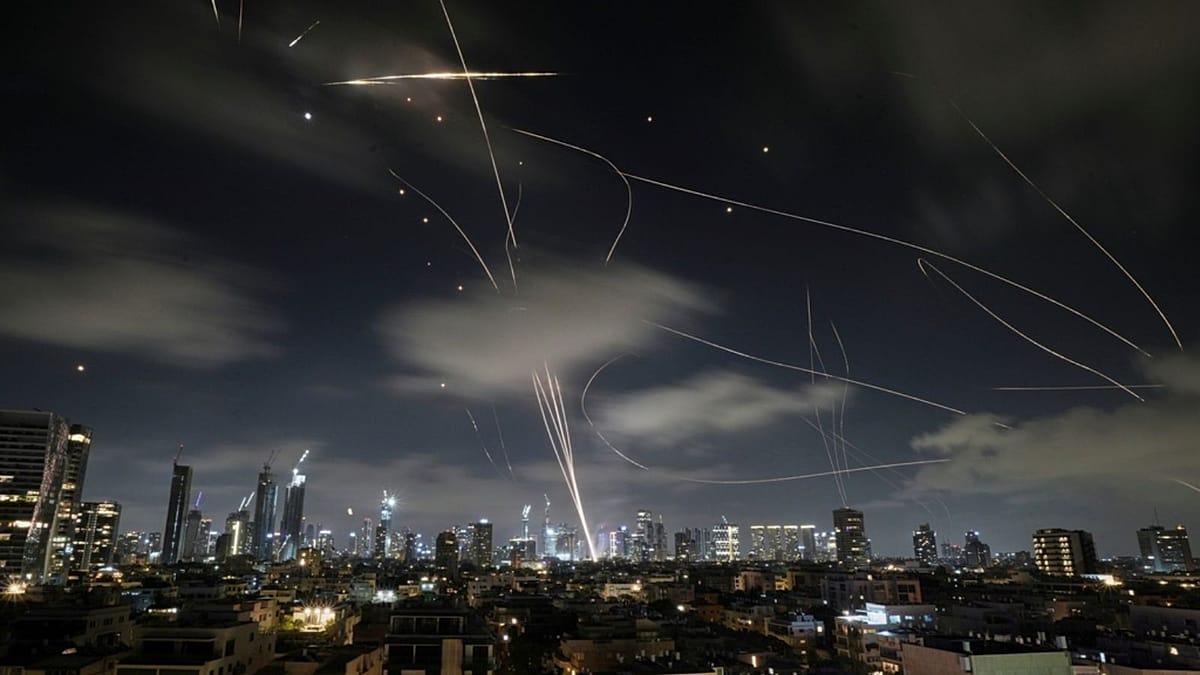
Iran retaliated by launching missiles and drones at U.S. allies in the region, with authorities in Bahrain, Jordan and Kuwait reporting the attacks and no immediate acknowledgment of damage or casualties.
The fighting has intensified over control of the Strait of Hormuz, and the US says it wants to reduce Iran’s military capabilities and reopen the strait while Iran warns the Strait is a “red line.”
In the same escalation, the US military said it boarded a vessel in the Strait of Hormuz “to ensure full compliance with the ongoing U.S. naval blockade against Iran,” and it said it had redirected three commercial vessels and disabled one that didn’t comply.
Threats, Talks, and Blockade
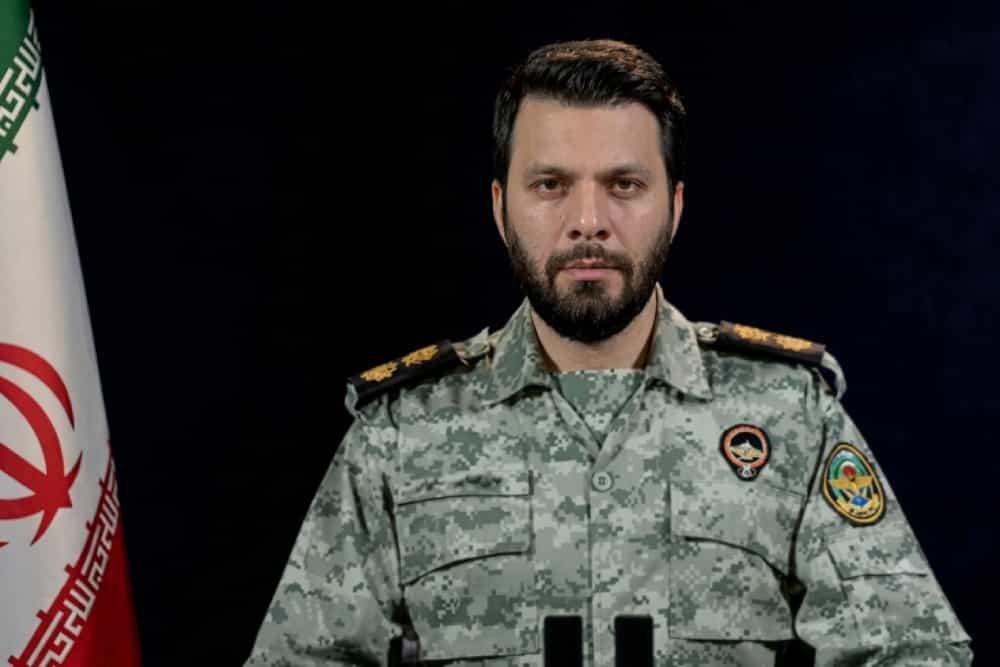
Iran warned it would retaliate if Trump carried out threats to target Iranian infrastructure, with a spokesperson for Iran's top military command saying that “everything that is still intact … all the infrastructure in the region – will be crushed under the steel blows.”
At the same time, the White House said Iran “very much continues to talk to the United States of America” and White House press secretary Karoline Leavitt said Iran expressed “they want to make a deal with us because they are suffering devastating blows.”

CENTCOM said it was enforcing a naval blockade reimposed on Tuesday by disabling a “non-compliant” oil tanker attempting to sail towards Iran’s Kharg Island, and it said it had redirected two compliant commercial vessels and disabled one non-compliant vessel.
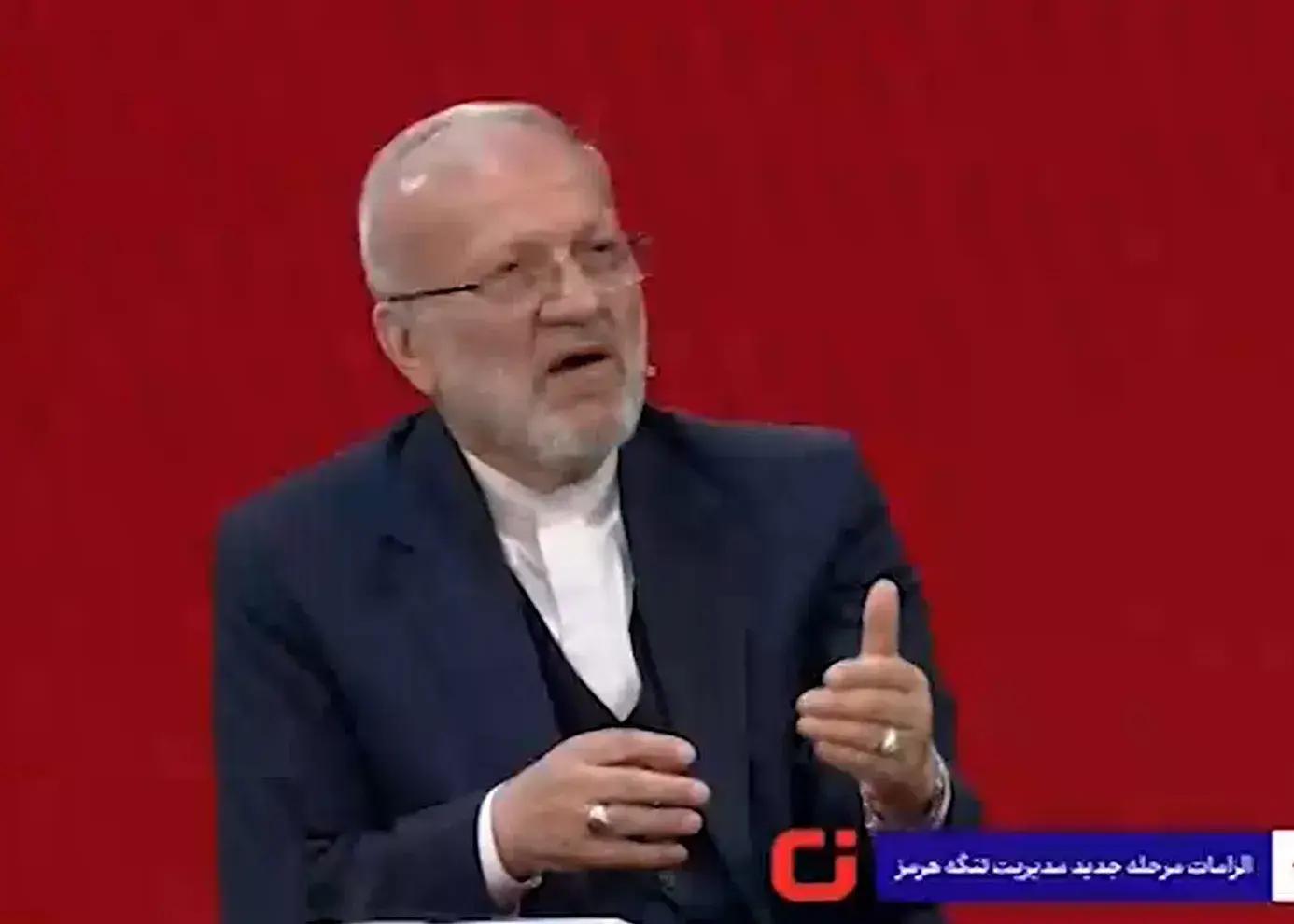
Iran’s parliament speaker and lead negotiator Mohammad Ghalibaf said on Wednesday that Iran is prepared for a fuller military confrontation if the US does not live up to the terms of the interim deal, calling the fight an “existential” battle.
The Washington Post reported that Iran said it would destroy “all” regional infrastructure if Trump followed through on threats to attack Iranian power plants and bridges as US forces expanded their range of strikes within Iran.
Energy Stakes and Fallout
The International Energy Agency head Fatih Birol told a Council on Foreign Relations event that if the United States and Iran do not find a way to improve the transit of oil through the Strait of Hormuz, the world should be concerned about energy security.
Birol said, “Oil security is still a critical issue,” and he warned, “We should be worried, and I am worried if the situation does not improve in the next few weeks.”
The conflict’s maritime impact has been immediate, with WRAL citing Maritime data firm Lloyd’s List Intelligence saying week-to-week cargo shipments through the strait dropped by almost a quarter at the beginning of the month.
WRAL also reported that the interim ceasefire agreed to last month has collapsed, and that the region has endured days of back-and-forth attacks by the U.S. and Iran as they battle for control of the Strait of Hormuz.
In parallel, the Guardian reported that the tit-for-tat attacks intensified since Tehran said it was closing the strait on Saturday, imperilling maritime traffic through a waterway that “carried about a fifth of global oil and gas supplies before the war.”