Full story
Strikes, blockade, retaliation
The United States intensified strikes against Iran on Thursday, hitting targets farther north and firing into a ship the U.S. accused of trying to break its naval blockade on the Islamic Republic, while Iran retaliated by launching missiles and drones at U.S. allies in the region.
“DUBAI, United Arab Emirates -- The United States intensified its strikes against Iran on Thursday, hitting targets farther north and firing into a ship the U”
Iranian officials said U.S. strikes have killed more than 35 people and wounded over 300 others, and for the first time in this latest round of violence, strikes reached into areas around Iran's capital, Tehran.

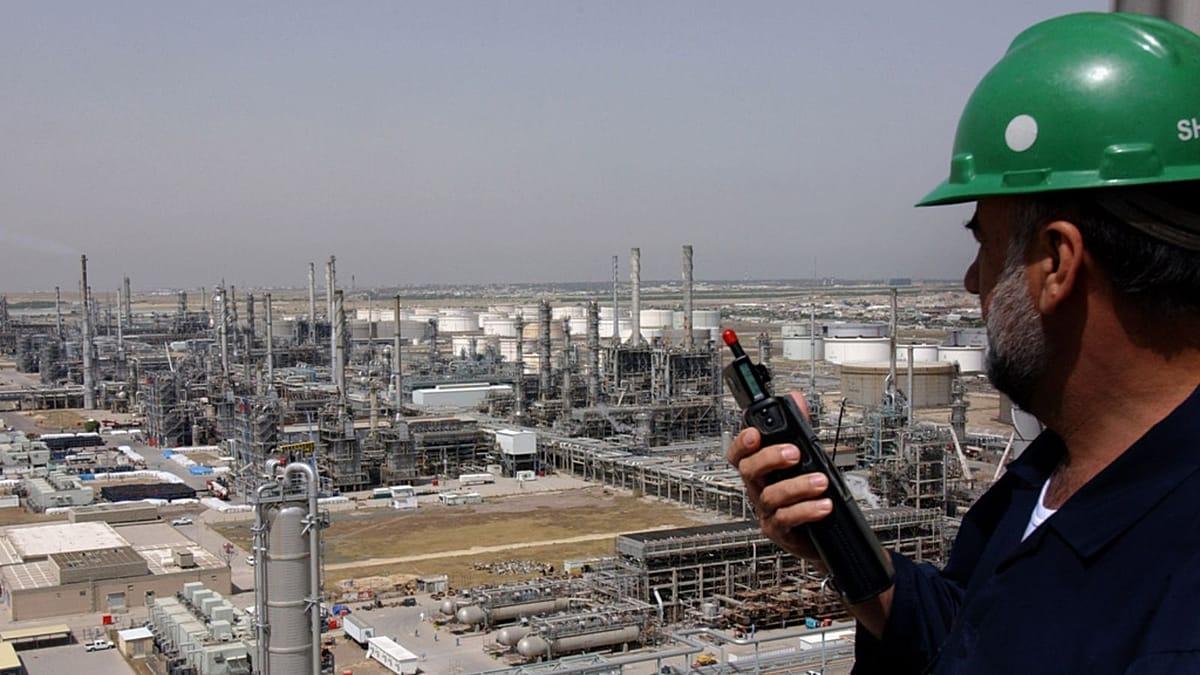
The fighting has focused on the Strait of Hormuz after the U.S. and Israel launched the war on Iran on Feb. 28, when Tehran effectively closed the strait to shipping traffic and sent the price of oil soaring.
U.S. Central Command said it launched a wave of airstrikes for the sixth consecutive night on Thursday to further degrade Iranian military capabilities, and the U.S. also said it disabled a Curacao-flagged oil tanker after it ignored multiple warnings.
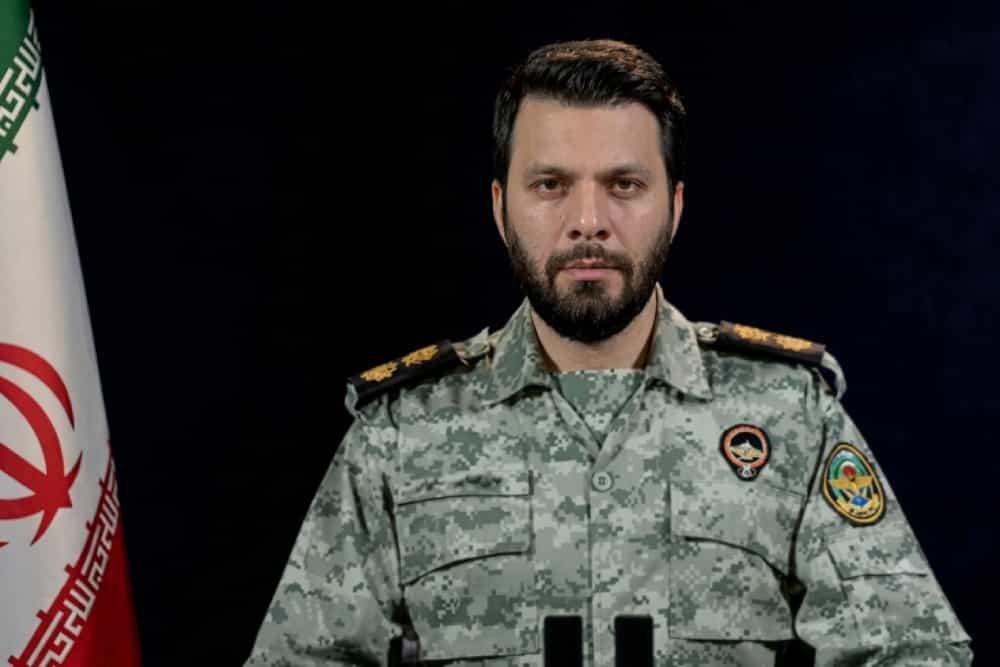
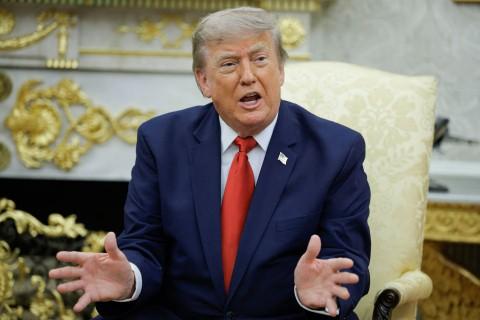
Iran’s Khatam al-Anbiya Central Headquarters spokesperson Col. Ebrahim Zolfaghari threatened that Iran could launch widespread attacks on "all the infrastructure in the region" if the U.S. acts on President Donald Trump 's repeated warnings about bridges and power plants.
Rhetoric and regional spillover
Iran warned Thursday that it would "crush" key targets in the Middle East if Trump carries out threats to target the country's infrastructure, and a spokesperson for Iran's top military command said that "everything that is still intact" would be crushed under "the steel blows" of Iran’s armed forces.
Trump, meanwhile, said next week "we're going to knock out all of their bridges unless they get to the table and negotiate," and the U.S. Central Command said it launched strikes to further degrade Iran’s ability to threaten innocent mariners crewing commercial vessels transiting the Strait of Hormuz.
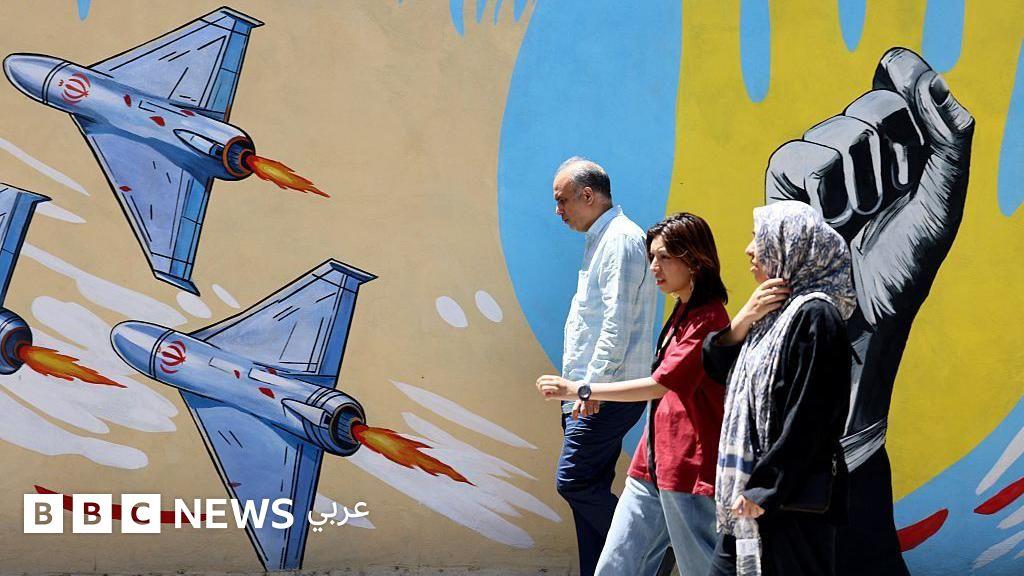
Iran retaliated Thursday with missile and drone attacks on Bahrain, Jordan and Kuwait, authorities in those countries home to U.S. forces said, while there was no immediate acknowledgment of damage or casualties from the attacks.
CNN reported that Iran’s Foreign Ministry accused the U.S. of "war crimes" for targeting civilian infrastructure, while defending its own attacks on commercial shipping and neighboring Arab states as acts of self-defense.
In a separate escalation, the U.S. struck an empty oil tanker bound for Kharg Island after reimposing a naval blockade on Iranian ports, and CNN said shipping traffic in the Strait of Hormuz dropped over the past 24 hours even from its previously diminished levels.
What comes next, and what’s at risk
The BBC said both the United States and Iran have expressed a desire not to return to the war that ended when a ceasefire was announced on April 8, but the ongoing escalation has not halted talks brokered by Pakistan, Qatar, and others.
“Iran warned Thursday that it would "crush" key targets in the Middle East if U”
BBC analysis said Iran is likely to demand a price, perhaps in the form of sanctions relief or the release of frozen assets, in exchange for reopening the Strait of Hormuz, which it described as a precondition for serious negotiations.
The Deutsche Welle report said hope rose for an imminent end of the war after Pakistan announced that Iran and the United States had reached an agreement to end the war between them, to be signed in Geneva on June 19, and it described the announcement as a "memorandum of understanding."
DW also said the proposed memorandum calls for reopening the Strait of Hormuz and lifting the U.S. naval blockade on Iranian ports, with later negotiations on the Iranian nuclear program, while a more comprehensive deal would be negotiated during the 60-day ceasefire including lifting sanctions on Iran.
In the meantime, ABC7 New York reported that week-to-week cargo shipments through the strait dropped by almost a quarter at the beginning of the month, and it said the U.S. has threatened to reopen the strait by force while oil prices traded above $85 a barrel on Thursday.