Full story
Strikes and blockade
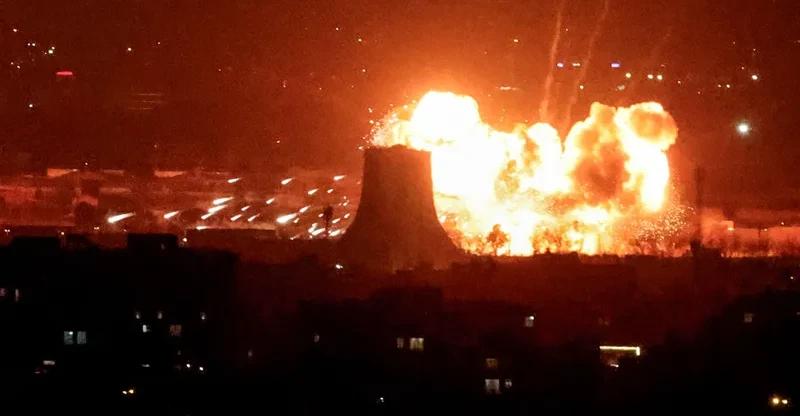
The United States struck Iran’s coastal defences and missile sites on Wednesday after reimposing a naval blockade of its ports, as Iran threatened to shut off more regional energy exports and said it was engaged in an "existential war" with America.
U.S. Central Command said it attacked coastal defence systems and cruise missile storage and launch sites on Iran’s Greater Tunb Island starting around 6 a.m. EDT and completed the wave of strikes within around 90 minutes.

Nine hours later, Central Command reported a second wave of strikes, and it said the strikes were targeting Iranian military capabilities used to threaten vessels freely transiting through the Strait of Hormuz.
The U.S. military also said it disabled an unladen oil tanker attempting to sail toward Iran’s Kharg Island after it ignored multiple warnings, firing Hellfire missiles into the ship’s smokestack.
Brent crude oil closed at a one-month high at US$84.95 a barrel on Wednesday as hostilities intensified after Iran said late on Saturday it had closed the Strait of Hormuz.
Hospital evacuation claims
Iranian state media said U.S. missiles struck near a children’s cancer hospital in Ahvaz, prompting the evacuation of patients from the facility.
Iran’s Mehr news agency reported that the attack hit the vicinity of Shahid Baghaei Hospital in Ahvaz, which provides chemotherapy treatment for cancer patients, including children, and the hospital began a temporary evacuation after the strikes.
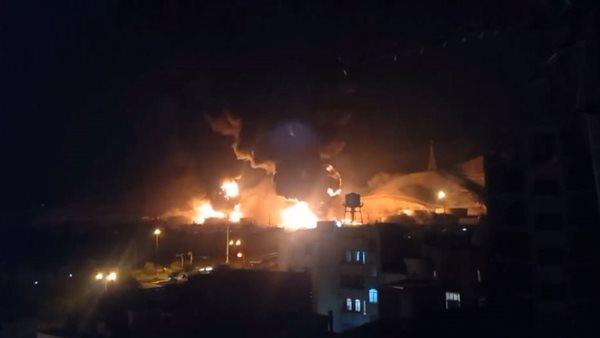
The Globe and Mail reported that IRIB said the U.S. attacks struck near a hospital in Ahvaz that houses a pediatric cancer centre, forcing the temporary evacuation of the hospital.
Families came out to the streets around the hospital to care for their children, IRIB said, while the reports did not provide details on casualties or confirm whether the hospital itself was damaged.
In a separate account, Anadolu Ajansı said explosions were heard in at least five Iranian cities on Wednesday night, including Ahvaz and Chabahar, as US projectiles also struck an area near the southern port city of Bandar Abbas and near the southeastern city of Rask.
Regional stakes and costs
The conflict’s wider stakes were framed through the Strait of Hormuz, where the U.S. said it was holding Iran accountable at the Commander in Chief’s direction and Iran said the only way to reopen the strait was for the U.S. to comply with a 14-point memorandum of understanding signed in June.
The Globe and Mail reported that Iran’s military spokesperson said reopening required U.S. compliance with the 14-point memorandum of understanding and implementation of "Iranian regulations" regarding ship traffic in the strait.
The Globe and Mail also said the war has killed thousands of people and displaced millions, mainly in Iran and Lebanon, where conflict restarted between Israel and Iran-backed militant group Hezbollah.
At a roundtable event at the Pennsylvania Defense and Innovation Summit, U.S. President Donald Trump said, "We'll have Iran defeated soon. They'll be defeated very soon," and he claimed the Iranians want to "settle so badly."
Crypto Briefing linked the U.S.-Iran confrontation to broader regional realignment, saying Iraq’s Prime Minister Ali al-Zaidi’s meeting with U.S. President Donald Trump at the White House on July 14, 2026 marked a shift toward U.S.-aligned policies and plans to disarm Iran-backed militias by the end of September.