
U.S. Strikes Seven Iranian Fast Boats as Iran Attacks UAE and Strait of Hormuz Ships
Key Takeaways
- U.S. sank seven Iranian fast boats in the Strait of Hormuz.
- Iran launched missiles and drones at the UAE, targeting an oil facility.
- The incident jeopardizes a fragile ceasefire and U.S.-led efforts to reopen Hormuz.
Project Freedom Meets Fire
The United States struck Iranian fast boats in the Strait of Hormuz as Iran attacked the United Arab Emirates and ships in the waterway, according to multiple reports describing Monday’s escalation after a fragile ceasefire.
“President Donald Trump announced "major combat operations" against Iran on Feb”
BBC reported that President Donald Trump said the US struck seven Iranian "fast boats" and that the UAE and South Korea both reported strikes on ships in the vital channel on Monday.
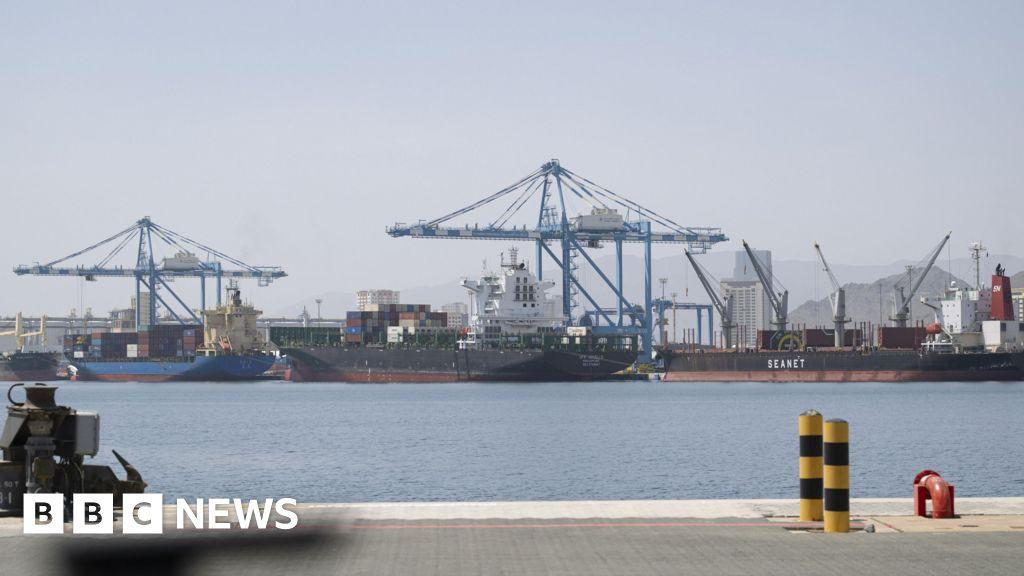
BBC also said the UAE reported a fire broke out at the oil port of Fujairah after an Iranian attack, while Maersk told the BBC that one of its US-flagged vessels had successfully exited the strait with US military protection under what Trump called "Project Freedom."
CBS News described the day as Iran’s first missile and drone attack on the United Arab Emirates since a ceasefire with the U.S. took effect on April 8, and said Iran fired two drones at a ship in the Strait of Hormuz, UAE authorities said Monday.
CBS News further stated that the U.S. military said two commercial vessels safely transited the key waterway Monday under the operation.
In parallel, ABC News reported that the U.S. mission to the UAE issued a security alert advising Americans in the country of "potential aerial threats" and that the alert referenced public warnings issued by the UAE Ministry of Interior on May 4, 2026.
The Times added that the UAE shot down Iranian missiles for the first time since the ceasefire, and that a drone struck an oil port in Fujairah injuring three people, while several missiles were shot down over the sea according to the UAE defence ministry.
Ceasefire, Blockade, and the Strait
The escalation unfolded against a backdrop of a ceasefire and a continuing dispute over the Strait of Hormuz, with multiple outlets tying Monday’s incidents to the U.S. effort to reopen passage.
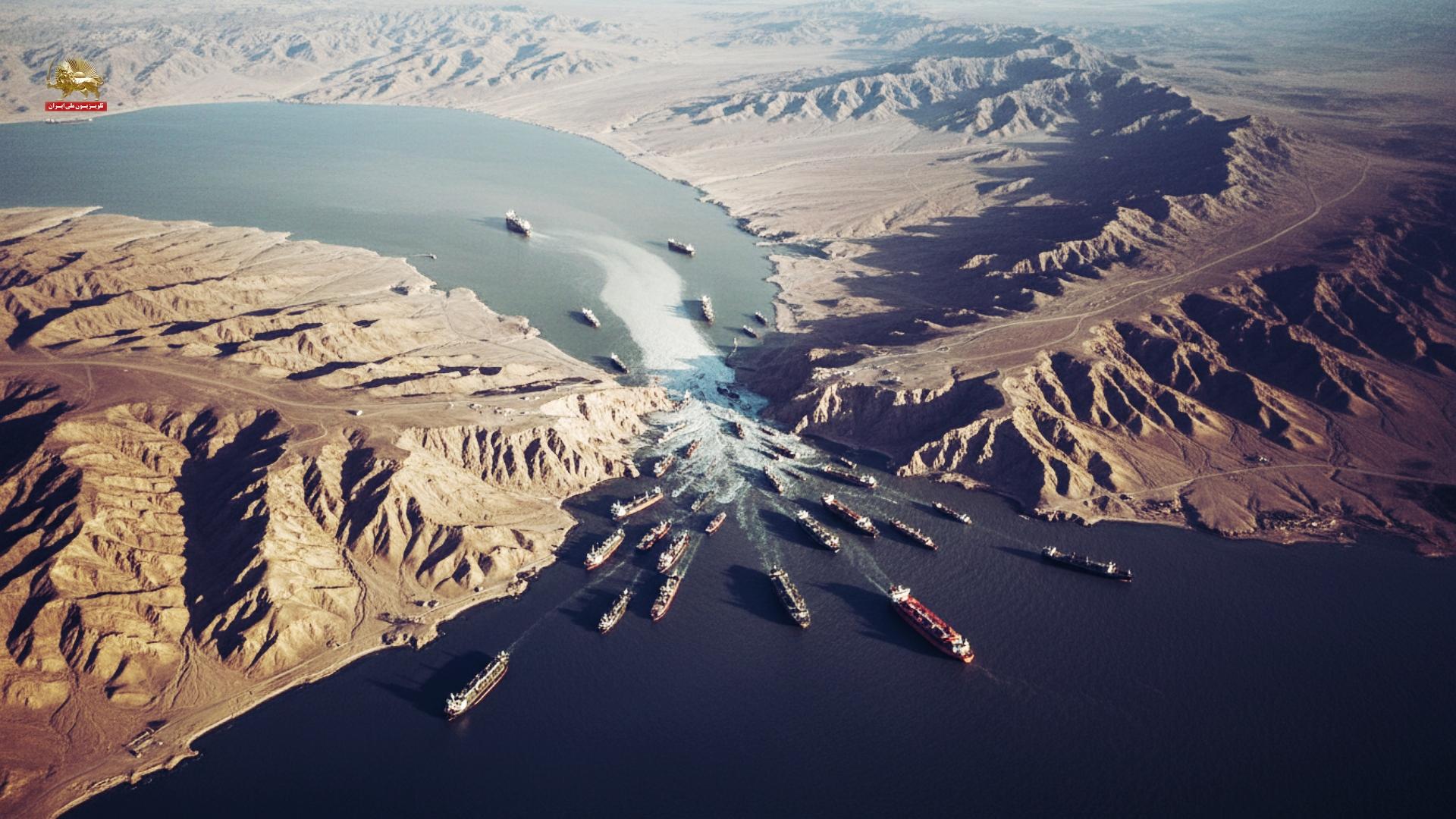
BBC said the Strait of Hormuz has remained largely blocked since the US and Israel launched air strikes on Iran in February, and that Tehran responded by blocking the crucial waterway through which 20% of the world's oil and liquefied natural gas usually passes.
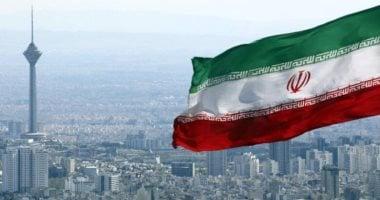
BBC added that in early April the US and Iran announced a ceasefire under which Iran ended its drone and missile strikes on Gulf countries including the UAE, but that few vessels have been able to transit the strait since then.
BBC also said the US imposed its own blockade on Iranian ports and that Trump announced on Sunday the US would start helping stranded vessels out of the shipping lane as part of "Project Freedom."
NPR described the U.S. effort as moving to reopen the Strait of Hormuz, saying the U.S.-led Joint Maritime Information Center advised ships Monday to cross the strait in Oman's waters and that it had set up an "enhanced security area."
NPR also reported that the U.S. said it opened a lane through the strait free of Iranian mines and that helicopters sank six of the small boats.
DW said the US says two merchant vessels passed through the Strait of Hormuz with a US Navy escort, while UAE reported air defense systems responding to missile and drone attacks and fire at an oil facility.
Iran and the U.S. Trade Statements
Iranian and U.S. officials framed Monday’s actions as part of a political dispute rather than a purely military contest, with Abbas Araghchi and President Donald Trump offering sharply different interpretations of the same events.
“The Israeli military went on high alert on Monday evening, preparing for the imminent resumption of fighting against Iran after the regime launched missiles and drones toward the United Arab Emirates for the first time since the start of the ceasefire”
BBC quoted Iranian Foreign Minister Abbas Araghchi saying that events in the strait "make clear that there's no military solution to a political crisis" and adding, "Project Freedom is Project Deadlock."
CBS News echoed Araghchi’s criticism, reporting that he said in a social media post, "Events in Hormuz make clear that there's no military solution to a political crisis," and that he added, "Project Freedom is Project Deadlock."
ABC News reported that Iran’s Foreign Ministry spokesperson Esmail Baghaei told Gulf states that Iran has "no animosity" toward them but "had to defend" itself, saying, "The only reason we have to target their territories is simply because we had to defend ourselves against an act of aggression by the United States and Israel."
ABC News also said Baghaei argued that "these countries are regarded as accomplices, as complicit in this act of aggression."
On the U.S. side, BBC quoted Trump saying, "We've shot down seven small boats or, as they like to call them, 'fast' boats. It's all they have left."
ABC News described Trump stopping short of saying the ceasefire was violated, telling ABC News chief Washington correspondent Jonathan Karl, "[It was] not heavy firing," and later warning, "Iran better hope [the ceasefire] remains in effect."
UAE Air Defenses and Injuries
The UAE’s accounts of the attacks and the resulting injuries were detailed across outlets, including the number and type of missiles and drones it said it intercepted and the injuries it reported.
BBC said UAE authorities reported air defences had engaged 12 ballistic missiles, three cruise missiles and four drones, and that local officials said one strike caused a large fire and three injuries at its key oil port of Fujairah.
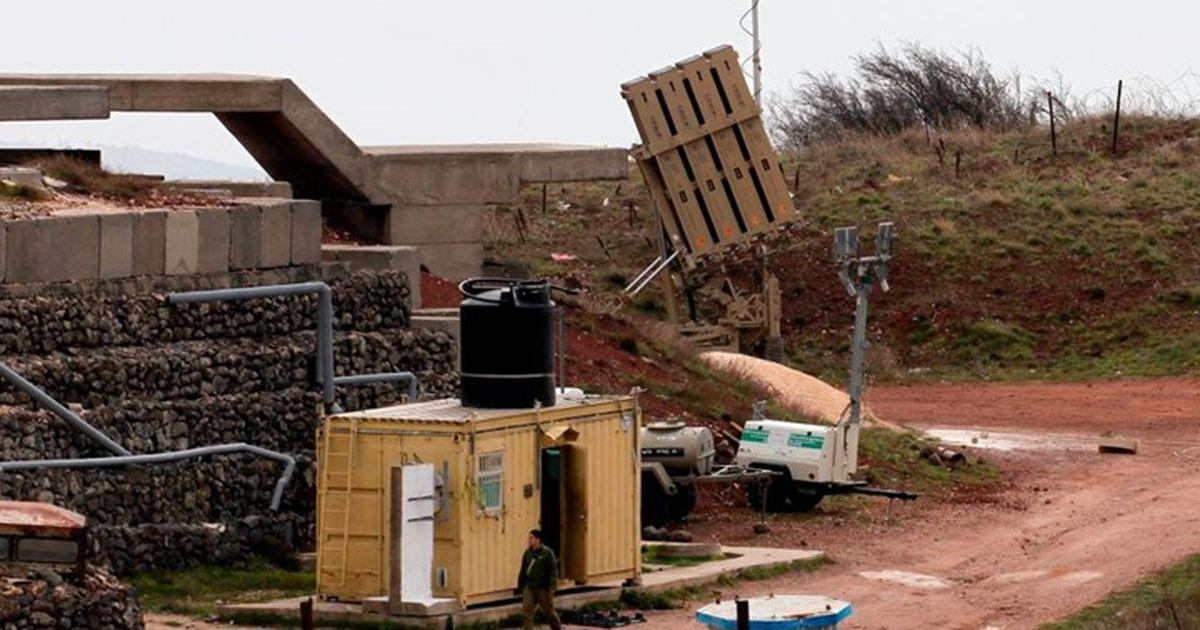
ABC News reported that the United Arab Emirates said its air defense systems engaged with 12 ballistic missiles, three cruise missiles and four drones launched from Iran on Monday, and that the attacks resulted in three moderate injuries.
CNBC similarly stated that the UAE’s Defence Ministry said its air defenses "are currently dealing with missile attacks and incoming drones from Iran" and later said its defense systems engaged 12 ballistic missiles, three cruise missiles and four drones, with the attacks resulting in three "moderate injuries."
The Times described the UAE as shooting down Iranian missiles for the first time since the ceasefire and said a drone struck an oil port in Fujairah, injuring three people, while several missiles were shot down over the sea according to the UAE defence ministry.
Axios reported that the UAE said three cruise missiles coming from Iran were intercepted and a third fell into the sea, and that the UAE said the missile and drone attacks injured three people, all of Indian nationality.
NPR also reported that authorities in the eastern emirate of Fujairah said one drone sparked a fire at a key oil facility, wounding three Indian nationals.
Markets, Diplomacy, and Next Steps
The consequences of Monday’s exchange extended beyond the immediate battlefield, with outlets describing diplomatic calls for de-escalation, shifting legal and political narratives, and market reactions tied to Strait of Hormuz tensions.
CBS News reported that Saudi Arabia called on U.S. and Iran to de-escalate amid fragile ceasefire, quoting the Kingdom’s foreign ministry: "calls for the need to de-escalate" and that it supported "diplomatic efforts to reach a political solution".
BBC said international leaders condemned the attacks on UAE infrastructure, quoting French President Emmanuel Macron saying the strikes were "unjustified and unacceptable" and British Prime Minister Sir Keir Starmer saying the UK will continue to "support the defence of our partners in the Gulf."
CNBC and DW both connected the escalation to economic pressure, with CNBC noting that stock market indices closed sharply lower and oil prices rose on Monday, and DW reporting that Brent crude rose to just over $114 and that West Texas Intermediate was selling at roughly $105 per barrel.
BBC also said the benchmark Brent crude oil price passed $115 a barrel shortly after reports that Fujairah had come under attack, up more than 5% on the day.
NPR framed the stakes as global energy and shipping risk, saying Iran’s effective closure of the strait caused a spike in worldwide fuel prices and rattled the global economy, while also noting that shipping companies and insurers were unlikely to take such a risk.
Finally, Axios and ABC News both highlighted the ceasefire’s fragility, with Axios saying the incidents come after Trump launched the initiative to "guide" ships through the Strait of Hormuz and that Iran threatened to respond with "force," while ABC News recorded Trump’s warning that Iran should hope the ceasefire remains in effect.
More on Iran
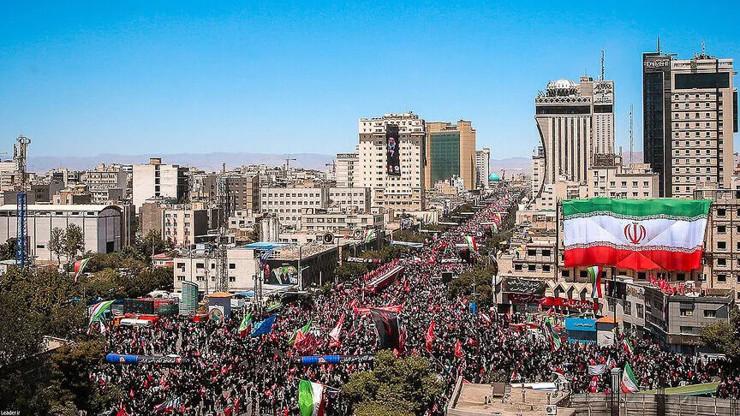
Israeli Strike Kills Ayatollah Ali Khamenei, Buried at Imam Reza Shrine in Mashhad
19 sources compared
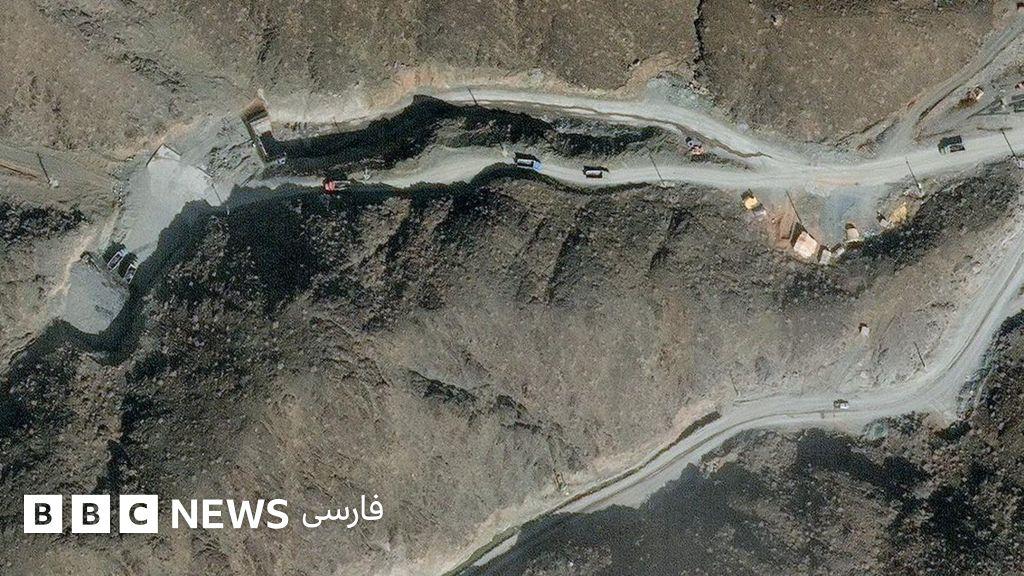
Iran Attempts To Restore Nuclear Sites Damaged In US And Israel Strikes, CNN Satellite Images Show
15 sources compared
Abbas Araghchi and Prince Faisal Bin Farhan Discuss Regional Developments After US Attacks
11 sources compared

Trump Says U.S. Agreed to Continue Iran Talks, Ceasefire Is Over
19 sources compared