
Full story
Six months of escalation
Six months after the start of the Iran war, Reuters said the conflict described by President Donald Trump as a “short trip” has become a crisis that threatens to undermine his presidency, with Iran not yielding and navigation through the Strait of Hormuz remaining highly disrupted.
“Trump’s approval rating fell from 40% to 33% since the conflict began”
Reuters reported that Trump’s approval rating fell from 40% to 33% since the conflict began, as rising gasoline prices undercut his 2024 campaign promise to lower costs for Americans.
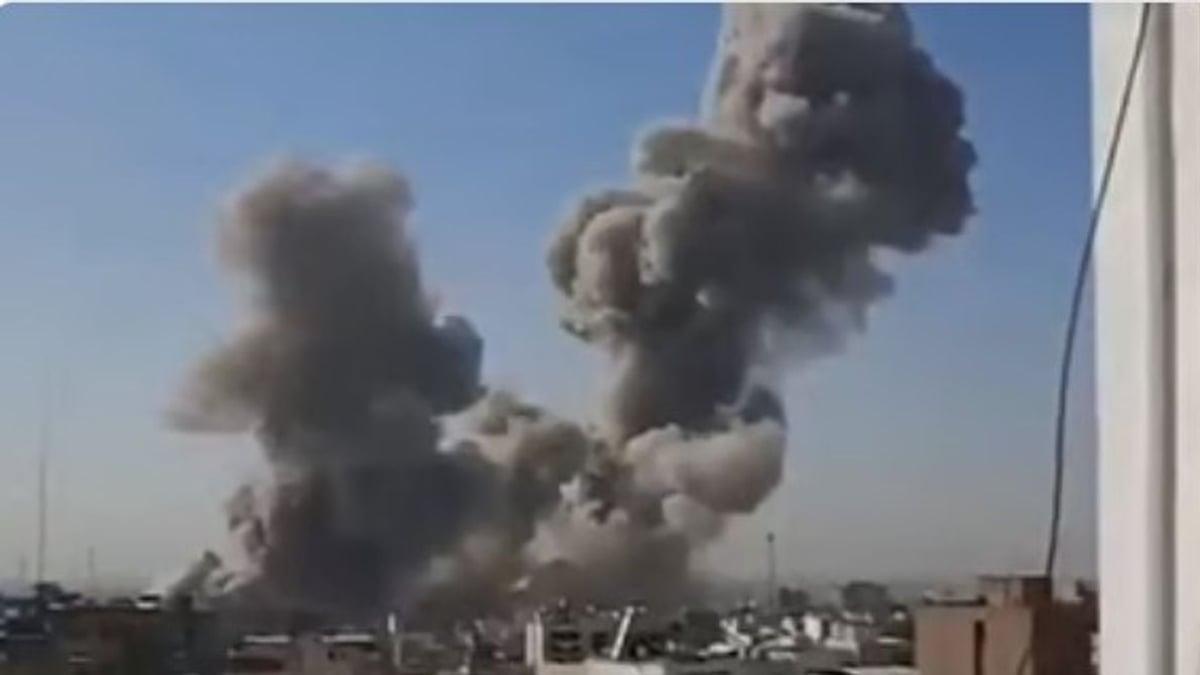
The Reuters account also said the readiness of the U.S. military declined, with a May report from the Congressional Research Service stating that 42 U.S. military aircraft were lost in the conflict.
In Rochester, N.Y., WHAM reported that Tommy Mach, a Fairport resident and retired Marine, said, “I hope that it ends quickly,” and added, “I hope that we can bring our troops back.”
Strikes, missiles, and threats
After Washington announced a new sanctions package against Tehran, 20Minutos reported that the United States carried out a “precision” strike against two platforms used to launch rockets equipped with sea mines on Iran's Larak Island, and that CENTCOM said the placement of the mines by the Islamic Revolutionary Guard Corps represented an 'imminent threat.'
20Minutos said Iran promptly responded by claiming it attacked two U.S. bases in Jordan, and it quoted Iranian President Masoud Pezeshkian saying, “We do not seek war, and this is the message we have conveyed to the world. But we will never stand idly by in the face of aggression and we will respond decisively,”.

In a separate account, 6abc Philadelphia reported that a U.S. strike hit a home hosting a wedding, killing two people and wounding dozens, and that Trump warned, “If the failed Nation of Iran retaliates for this very justified attack, they will be hit again at a much harder and higher level.”
6abc Philadelphia also reported that Iran’s Armed Forces General Staff and its joint military command said the armed forces would deliver what they described as “crushing and devastating blows” against the United States.
Oil transit and wider risk
As hostilities flared again, 6abc Philadelphia reported that the U.S. and Iran are both seeking control over the Strait of Hormuz, a narrow waterway off Iran's coast that is a vital oil shipping corridor, and that Tehran effectively closed it after the war began.
“Crude, already up about 7% this week”
6abc Philadelphia said oil prices moved sharply higher with renewed clashes, noting that crude was “up about 7% this week,” and that the price of crude had “jumped more than 50% this year,” while the cost for a gallon of regular gasoline in the U.S. ticked higher again overnight to $4.10, according to AAA.
In the same reporting stream, 20Minutos said the Strait of Hormuz has become a strategic flashpoint after Iran closed the Gulf oil corridor in retaliation for Israel and United States attacks, and it described the Sunday U.S. strike as the first by the United States since the end of July.
20Minutos also reported that CENTCOM stated it was not 'an act of aggression' as Tehran claimed, and it quoted CENTCOM’s message on X: “Essentially, Iran generated the threat and the U.S. Army eliminated it to protect civilian sailors, commercial maritime transport, and the free flow of world trade.”