
Full story
Six months, no end
The United States marked six months of war with Iran after President Donald Trump said earlier that the conflict would end within four weeks, but Reuters reported that Iran has not yielded and that navigation through the Strait of Hormuz remains highly disrupted.
“there is no clear path to end the conflict”
ABC News said the war began on Feb. 28 when the U.S. and Israel launched strikes that took out much of Iran’s leadership and damaged key Iranian military sites, and it noted that Trump predicted the war would last four to five weeks.
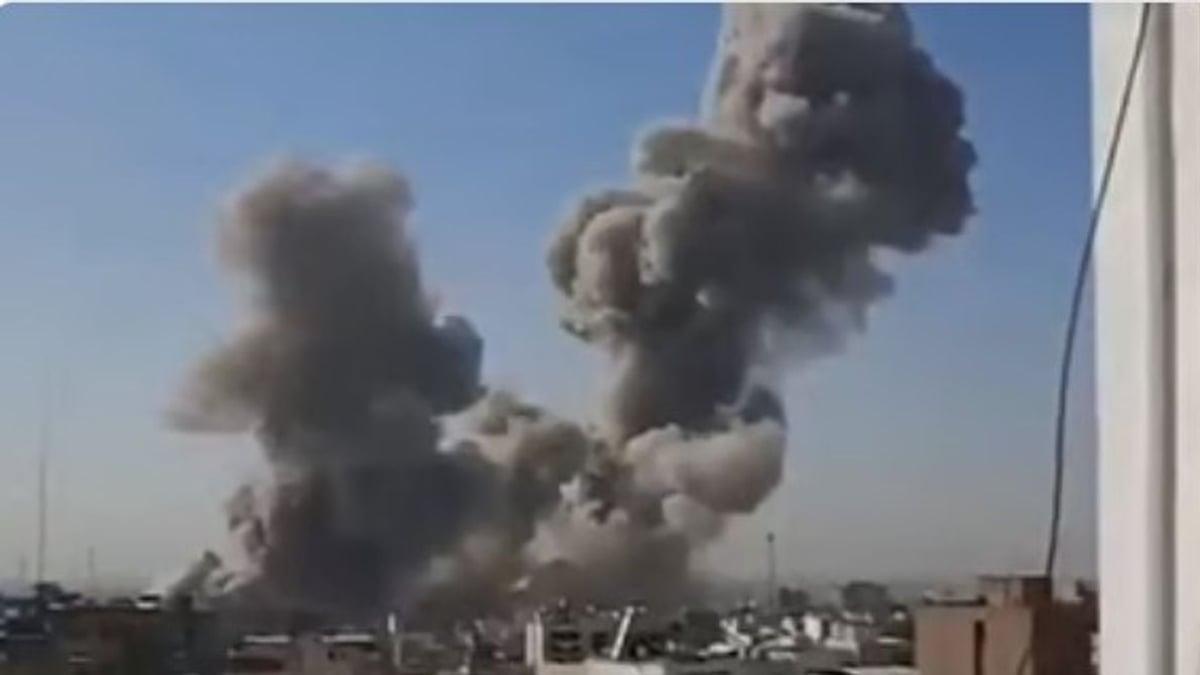
Reuters also framed the six-month point as a political and military problem for Washington, saying the readiness of the U.S. military declined and that a May report from the Congressional Research Service stated that 42 U.S. military aircraft were lost in the conflict.
ABC News reported that since the start of the war, 18 U.S. service members have died and more than 750 have been wounded, while it said global oil prices are up about 25% and the average gallon of gas nationwide hovers over $4.
In Rochester, N.Y., WHAM quoted retired Marine Tommy Mach saying, “I hope that it ends quickly,” and he added, “I hope that we can bring our troops back.”
Retaliation and threats
As the conflict entered its sixth month, the U.S. launched strikes on Iran’s Larek Island in the Strait of Hormuz, with ABC reporting that at least two people died and two more were injured in a U.S. strike.
ABC said the Iranian Revolutionary Guard confirmed in a statement that there are “martyrs and wounded” among its fighters as a result of an attack by the “American-Zionist enemy,” and warned there will be a “punishment.”

ABC also reported that a spokesperson for the Revolutionary Guard, Sardar Mohebi, reiterated that there will be “consequences” both economically and militarily, while it said the United States Central Command (CENTCOM) had not yet provided any official information about what happened.
In a separate account, Akhbarak Net quoted analyst and political researcher Ehab Abbas saying the strikes “remain within the framework of ‘rapid and swift operations,’” and he expected they would stop within 24 hours unless the two sides moved to wider escalation.
Akhbarak Net also said Abbas warned that exceeding the 24-hour threshold could recreate the previous round of escalation, when military operations lasted 12 days before their intensity waned.
What’s at stake next
Reuters said six months after the outbreak, the war has threatened to undermine Trump’s presidency, and it described a sharp political shift as Trump’s approval rating fell from 40% to 33% since the conflict began.
“Trump’s approval rating fell from 40% to 33%”
ABC News said the war’s economic impact has become central to the mission, noting that blunting the economic fallout and reopening the strait has become central to the mission after Iran shut down commercial traffic through the Strait of Hormuz.
ABC News also reported that the Defense Department told lawmakers the latest estimate for the cost of the war is more than $37.5 billion, and it said the Defense Department is asking Congress for an additional $67.1 billion for.
In the same six-month framing, Reuters reported that the American and Israeli attacks sparked immediate panic and led to a sharp rise in oil prices, raising concerns about a global recession.
WHAM’s Tommy Mach tied the personal stakes to the military timeline, saying, “I hope that we can bring our troops back,” as he described hearing explosions above an airport while waiting for an airplane.