USA · 23 June, 2026 · 3 min read
U.S. Supreme Court Rejects Damon Landor’s RLUIPA Damages Claim Over Louisiana Prison Dreadlocks
Supreme Court rules Landor cannot sue Louisiana prison guards for damages under RLUIPA. 6-3 ruling authored by Justice Gorsuch upheld dismissal.
Court’s treatment of religious-rights protection.
8 of 10 outlets skipped it: a guard threw away Landor’s copy of a prior ruling..
19outlets compared
Same story, two versions
tap a side to read it in full
NBC News
“The ruling saw the conservative majority depart from its regular support for religious claims”Read the original ↗
Truthout
“it is denying the same level of protection to non-Christians whose rights have been blatantly violated”Read the original ↗
Competing frames: doctrinal limit vs unequal protection narrative.
Landor’s dreadlocks case
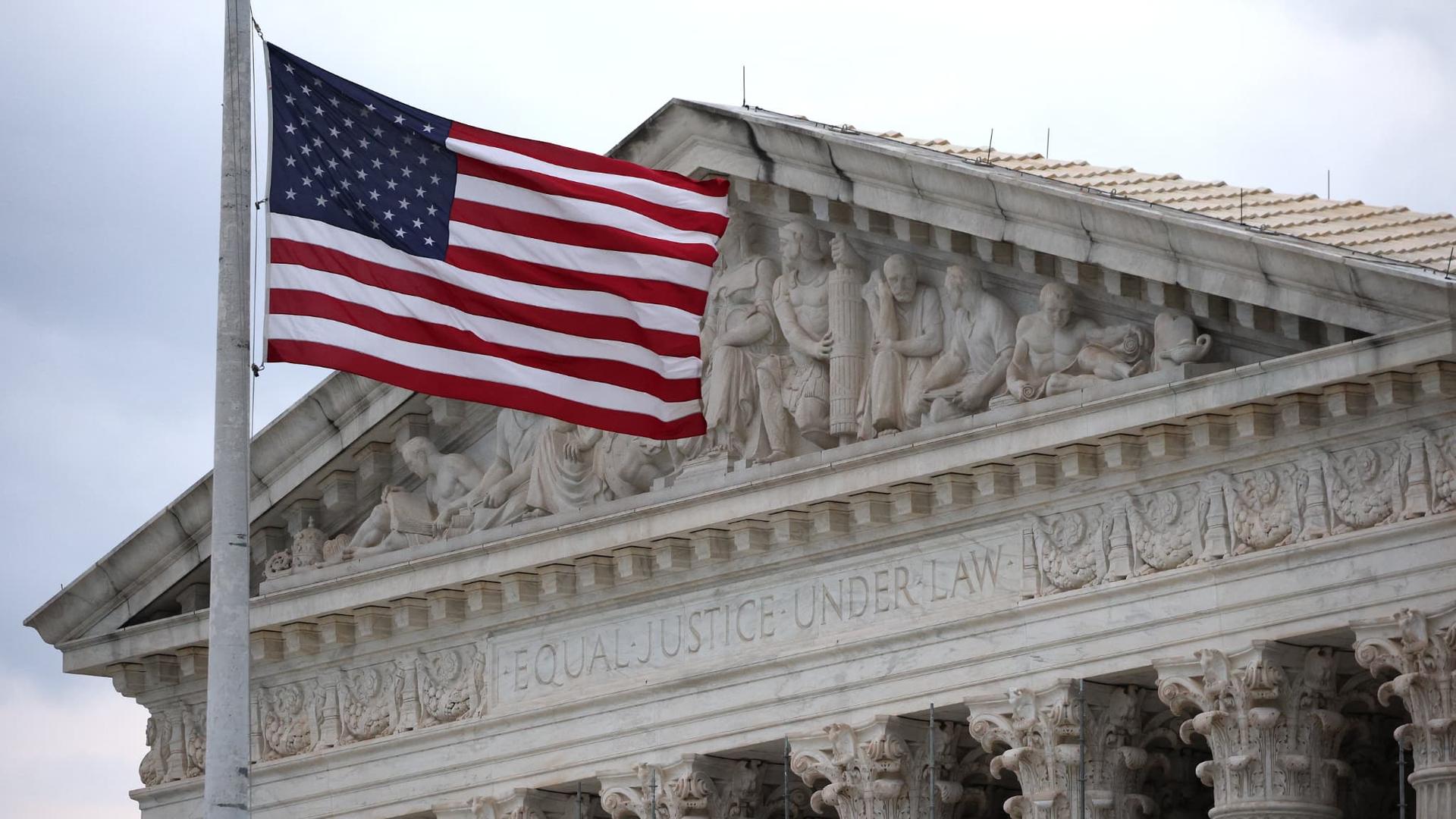
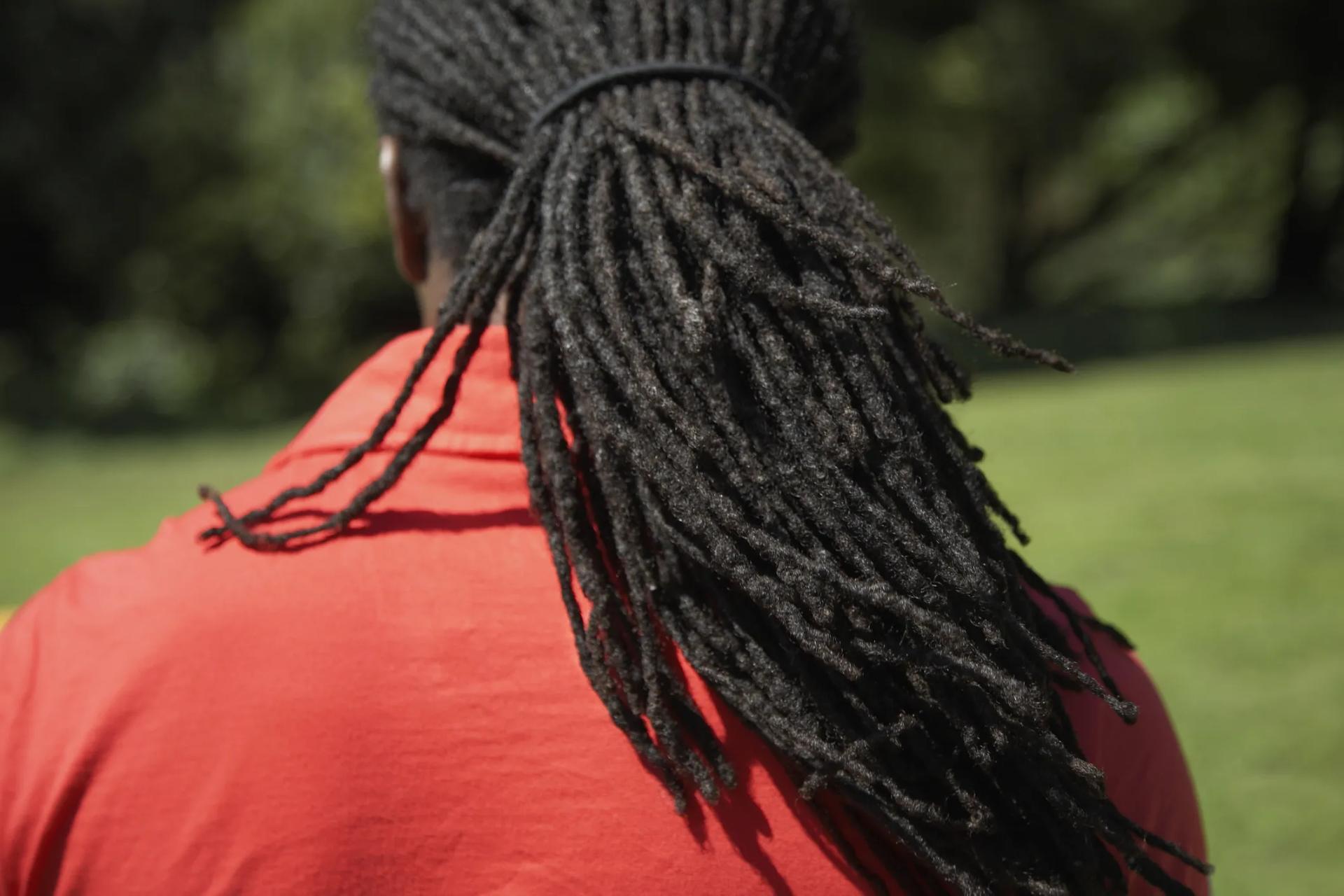
The U.S. Supreme Court ruled Tuesday against Damon Landor, a devout Rastafarian, who sought damages after Louisiana prison officials cut his dreadlocks while he was incarcerated at the Raymond Laborde Correctional Center.
The court ruled 6-3 that Landor cannot seek damages under the Religious Land Use and Institutionalized Persons Act, or RLUIPA, and the decision focused on whether the statute permits suits for money damages against individual officials.
NBC News reported that the underlying incident took place in 2020, when Landor was moved while serving a five-month sentence on a drug-related charge and officers handcuffed him to a chair and shaved his head despite his protestations.N
In dissent, Justice Ketanji Brown Jackson said RLUIPA’s purpose is to “ensure that state and local prisons respect prisoners’ right to religious exercise,” while the majority, led by Justice Neil Gorsuch, said RLUIPA does not allow claims against individual officials.
The state did not contest that Landor was mistreated and said the prison system changed its grooming policy to ensure other Rastafarian prisoners do not face similar situations, while Louisiana Attorney General Liz Murrill said the court agreed with the state in this matter.
Majority vs dissent
NPR said the Supreme Court ruled Tuesday that Landor, whose dreadlocks were forcibly shaved off by prison guards, cannot sue the guards for money damages under a federal law enacted by Congress to protect the religious rights of prisoners. The NPR account said the vote was 6-to-3 and that the conservative supermajority prevailed, with the decision centered on the Spending Clause and Justice Neil Gorsuch’s view that Spending Clause laws are “essentially "contracts" between the state and the federal government.” NPR quoted Harvard law professor Noah Feldman warning that the ruling could have “long term consequences” if the principle is extended to other contexts, including his reference to “ICE officials claiming that they themselves cannot be held liable for violating people's legal and constitutional rights.”
In a dissenting opinion, Justice Ketanji Brown Jackson castigated the majority for diminishing Congress’s power to legislate and accused it of a “sleight of hand” that “comes by way of the majority's full-throated endorsement of a contract analogy.” Landor’s legal team said in a statement, “I am disappointed but not defeated,” adding that “What happened to me should not happen to anyone else,” as the Supreme Court barred the damages claim against the individual prison guards.
What the ruling changes
PBS, citing the Associated Press, said the Supreme Court barred a former Louisiana inmate from suing prison officials who cut off his dreadlocks in violation of his Rastafari religious beliefs, while the justices condemned what happened but ruled that RLUIPA does not permit lawsuits for money damages even when rights are violated. The AP account described how Landor carried a copy of a court ruling into Louisiana custody, but at the Raymond Laborde Correctional Center in Cottonport, about 80 miles (130 kilometers) northwest of Baton Rouge, a prison guard took the copy and tossed it in the trash before the warden ordered guards to cut his dreadlocks. PBS said Landor sued after his release, but lower courts dismissed the case, and the Supreme Court refused to apply the rationale from its 2020 decision involving Muslim men and the FBI’s no-fly list under the Religious Freedom Restoration Act.
The Guardian reported that the opinion was delivered by Justice Neil Gorsuch and that the chief justice and Justices Clarence Thomas, Samuel Alito, Brett Kavanaugh and Amy Coney Barrett concurred, while Justices Sonia Sotomayor, Elena Kagan and Ketanji Brown Jackson dissented. In the Guardian’s account of the majority reasoning, Gorsuch wrote that Landor “does not have a federal RLUIPA cause of action against the officers,” and Jackson’s dissent warned that prisoners “will often be left remediless” when religious rights are violated in state prisons.