
USA · 07 August, 2026 · 3 min read
Marco Rubio Says Trump Administration Will Intensify Economic Pressure and Sanctions on Cuba
Trump administration will intensify economic pressure on Cuba and implement new sanctions. US seeks to block Cuba's evasion of sanctions and curb regime support networks.
CIA secret Cuba group: purely intelligence/influence vs possible military action.
7 of 9 outlets skipped it: cuba declared “Priority 1” in the National Intelligence Priorities Framework.
10outlets compared
Same story, two versions
tap a side to read it in full
El Nuevo Herald
“could be paving the way for a military action or for influence operations”Read the original ↗
La Nación
“the current mandate is more limited. ... nor authorization to facilitate lethal operations.”Read the original ↗
El Nuevo Herald hints at military options; La Nación stresses non-lethal CIA mandate
Rubio: no escape valves
U.S. Secretary of State Marco Rubio said the Trump administration will maintain and intensify economic pressure on the Cuban regime and systematically close any mechanism Havana tries to use to evade U.S. sanctions.
In an Axios interview, Rubio told the U.S. diplomacy, "What we are trying to teach them is that there are no escape valves," and he added, "Every time they create a new mechanism to try to get out of trouble, we simply close it."
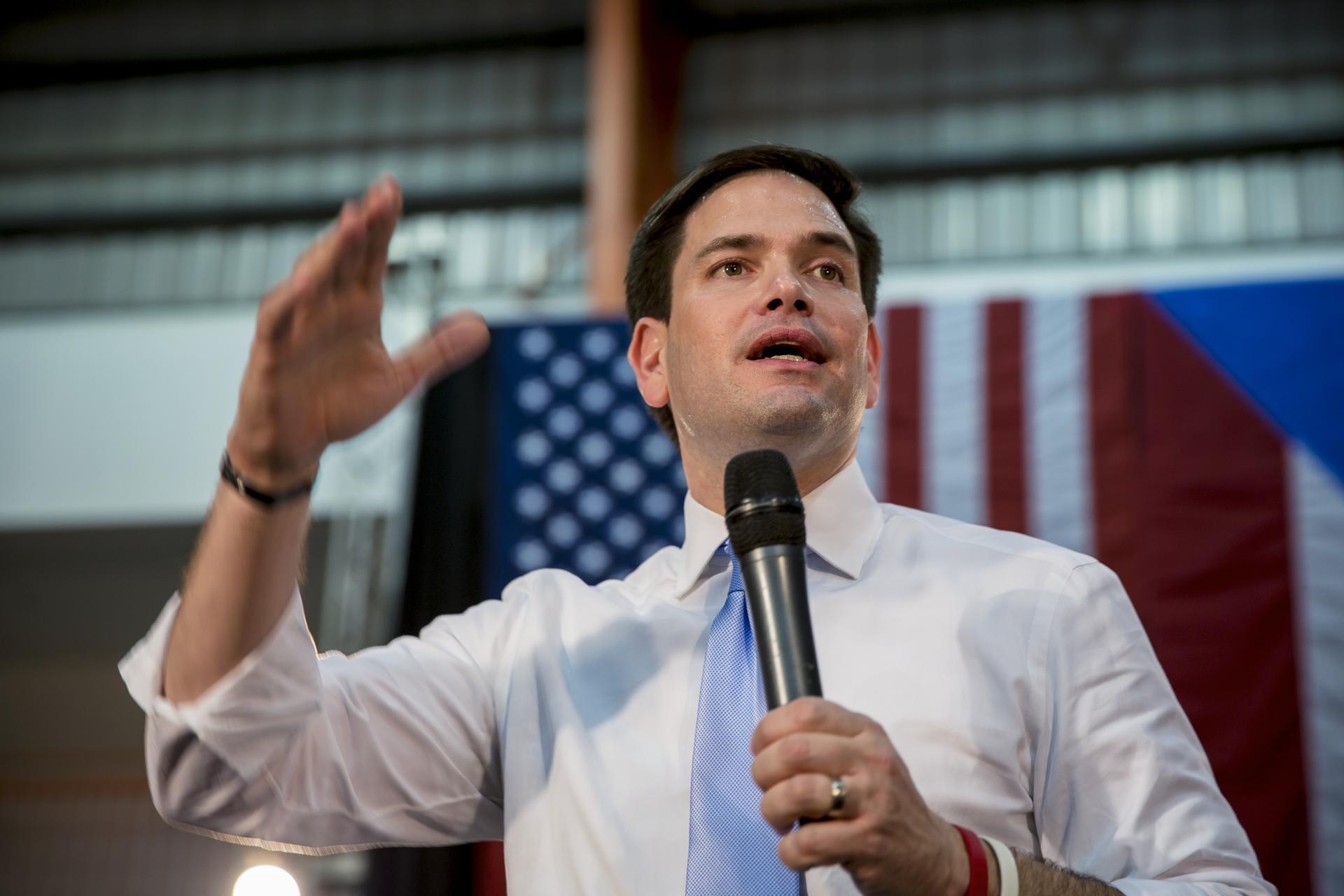
Rubio said Washington was preparing new sanctions against Havana and that the policy would not disappear "over the next two and a half years," while describing Cuba as going through a moment of particular vulnerability and lacking alternatives to ease the impact of the sanctions.
He said the regime faces two unprecedented circumstances simultaneously, with Cuba lacking "an external sponsor" and "the lack of U.S. attention to it as a top priority," and he argued that this combination has put Havana in an especially difficult position.
Rubio also said the new sanctions were adopted by the Treasury Department's Office of Foreign Assets Control (OFAC) and focus on companies related to the military industry, weapon imports, and Havana’s defense relations, as well as senior commanders of the Revolutionary Armed Forces (FAR).
Sanctions and long-term choke
Anadolu Ajansı reported that Rubio told Axios the United States was increasing economic pressure on Cuba through an unprecedented sanctions campaign and preparing new sanctions against Havana while stressing the administration intends to act over the long term. Rubio said, "Whenever they set up a new mechanism to loosen the noose, we will close it again," and he added, "This policy will certainly not disappear in the next two and a half years," framing the approach as closing off avenues for Cuban authorities to bypass sanctions. El País América said the White House launched a campaign against the Cuban regime a little over six months ago, imposing a strict oil embargo and approving several sanctions packages to block assets and properties of dozens of Cuban public bodies and high-ranking Cuban officials.
El País América also reported that foreign hotels, the island’s main source of wealth, had to close and end their operations as the situation over Cuba continued. In the same El País América account, Rubio said the Cuban military and intelligence institutions are the main agents of internal repression and nodes of kleptocracy, especially through the military conglomerate GAESA, as he announced new sanctions on Cuban authorities and public bodies involved in foreign military cooperation and the acquisition of military equipment destined for the Cuban regime.

CIA pressure and intelligence priority
Multiple outlets tied the U.S. pressure campaign to a CIA effort to intensify operations on the island, with La Tercera saying the CIA created a secret operational group in Cuba to quickly direct more economic, human, and technical resources toward Havana. La Tercera reported that people close to the group told The New York Times that the mandate is limited and refers to “creating fissures within the Cuban political elite, in the hopes of pressuring Cuban leaders to replace hardline supporters, considered anti-American, with more pragmatic leaders who are more willing to accept Trump’s demands.” La Nación said the CIA secretly created a Cuba-focused task force to coordinate a sustained campaign of pressure on the Havana government and that it coordinates covert, cyber, and influence operations to sow fissures in the Cuban political elite.L
La Nación also said the initiative coincides with the Trump administration updating the National Intelligence Priorities Framework (NIPF) to place Cuba in the “Priority 1” category alongside China, Iran, and Russia, and it reported that the National Security Agency (NSA) and the National Geospatial-Intelligence Agency intensified data collection on Cuba, including the use of satellites. LIn response from Havana, La Nación quoted Deputy Foreign Minister Carlos Fernández de Cossío saying, “Cuba has long been a target of CIA efforts involving espionage, subversion, and destabilization,” as the CIA declined to comment on the existence of the team.L