USA07 August, 20262 min read
USCIS Lets Officers Deny Incomplete Visa, Green Card, Citizenship Applications Without RFE
This article is an automated aggregation of coverage from news outlets. Our editorials offer in-depth analysis curated by the NewsCord team.
USCIS officers can deny incomplete visa, green card, or citizenship applications without RFE. Policy expands discretion to reject missing documents or insufficient evidence immediately.
US tightens visa filings
The United States has introduced stricter immigration rules through US Citizenship and Immigration Services (USCIS) guidance that can allow immigration officers to deny visa, green card, citizenship, and other immigration benefit applications that are incomplete or lack required supporting documents without first asking applicants to provide additional evidence. The revised policy took effect immediately and applies to immigration benefit requests that were pending or filed on or after August 5, 2026, unless another USCIS regulation or policy states otherwise.
USCIS said the “benefit requestors should establish eligibility for an immigration benefit at the time they file a benefit request,” and that officers may deny requests when required initial evidence is missing without issuing a Request for Evidence (RFE) or a Notice of Intent to Deny (NOID). The policy also reverses a Biden-era approach in which officers were generally encouraged to issue an RFE before denying an application, while USCIS said RFEs have not been eliminated and officers still have the option to issue one in some cases.

RFE discretion and backlash
USCIS says the change better aligns immigration procedures with the long-standing authority of the Department of Homeland Security (DHS) and is intended to strengthen the integrity of the immigration system, discourage “placeholder” applications, and improve efficiency. In the new framework, immigration officers may deny petitions immediately if required initial evidence is missing, and Business Standard reported that USCIS has restored officers’ authority to deny incomplete applications without first issuing an RFE or NOID.
Ajay Bhutoria, described as a former adviser to US President Joe Biden and an immigration advocate, criticized the move as “a major step backward” for due process and administrative fairness. Bhutoria also warned that the change could disproportionately affect applicants without legal representation, non-native English speakers and asylum seekers navigating an already complex immigration process, while USCIS and related reporting framed the policy as procedural rather than substantive.
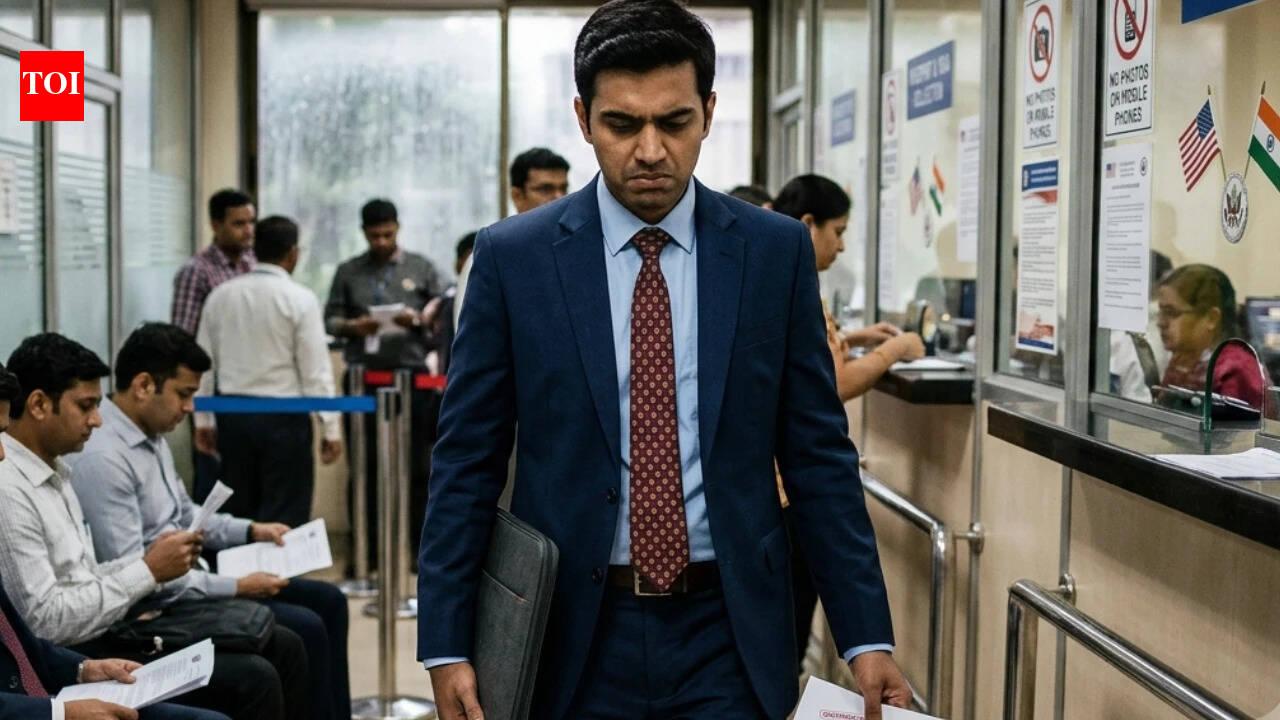
Who is affected next
The policy applies broadly to immigration benefit requests including employment-based visa applications, family-sponsored green card applications, extensions of stay, changes of immigration status, and naturalization (US citizenship), with USCIS clarifying that applicants must remain eligible throughout the time their case is being reviewed.
Vibes Of India said the new guidance is expected to affect thousands of people, including many Indian students, professionals, families, and others planning to study, work, or settle in the United States.
The Times of India described a 36-year-old Indian government employee’s US tourist visa refusal at the Chennai consulate, saying the interview lasted “20 seconds” and that he wrote, “It was more like humiliation than rejection. Never going to apply again,” after spending money on biometrics and an interview.
In parallel, The Times of India reported that the same man’s Canada visa was also rejected and that Redditors claimed the US consular officer would likely know about the Canadian refusal before the interview because of the Five Eyes alliance.