USA30 June, 20262 min read
U.S. Supreme Court Upholds Idaho and West Virginia Bans on Transgender Athletes
This article is an automated aggregation of coverage from news outlets. Our editorials offer in-depth analysis curated by the NewsCord team.
Supreme Court upheld Idaho and West Virginia bans on transgender girls in girls’ sports. The bans apply to participation in girls’ and women’s school and college sports.

Supreme Court Upholds Bans
The U.S. Supreme Court upheld state laws that prohibit transgender girls and women from competing on school girls’ athletic teams, rejecting arguments that the bans violate the Constitution and a federal civil rights law by discriminating against transgender athletes.
In the majority opinion, Justice Brett Kavanaugh wrote that the Constitution and Title IX “do not require a reform of women’s and girls’ sports across the United States.”

The ruling addressed petitions filed by Idaho and West Virginia after several federal appellate courts prevented those states from fully enforcing their prohibitions.
Bloomberg reported that on Tuesday the high court rejected the challenges and that the decision aligned with conservative sectors and with President Donald Trump on a polarizing culture-war issue.
The case centered on Lindsay Hecox, a college student in Idaho, and Becky Pepper-Jackson, a 15-year-old high school student from West Virginia, whose exclusion from women’s sports competitions was overturned by the nine justices.
Dissent, ACLU, and Officials
In dissent, Justice Sonia Sotomayor argued that the majority was empowering states to deny sporting opportunities to transgender students based on what she described as an inherent athletic advantage. Sotomayor wrote that “the majority was empowering states to deny sporting opportunities to transgender students simply because they consider they have an inherent athletic advantage.” Joshua Block, senior counsel for the ACLU’s LGBTQ and HIV Project, described the decision as “a heartbreaking ruling for our clients and for transgender girls like them.”
West Virginia Attorney General JB McCuskey said in a statement that the ruling was “a monumental victory for all female athletes who have ever competed, or dreamed of competing, on a fair and safe playing field.” The Department of Justice issued a statement saying it welcomed the Supreme Court’s agreement with its view that nothing in federal law prevents states from prohibiting boys from participating in women’s sports teams.
Broader Impact and Next Battles
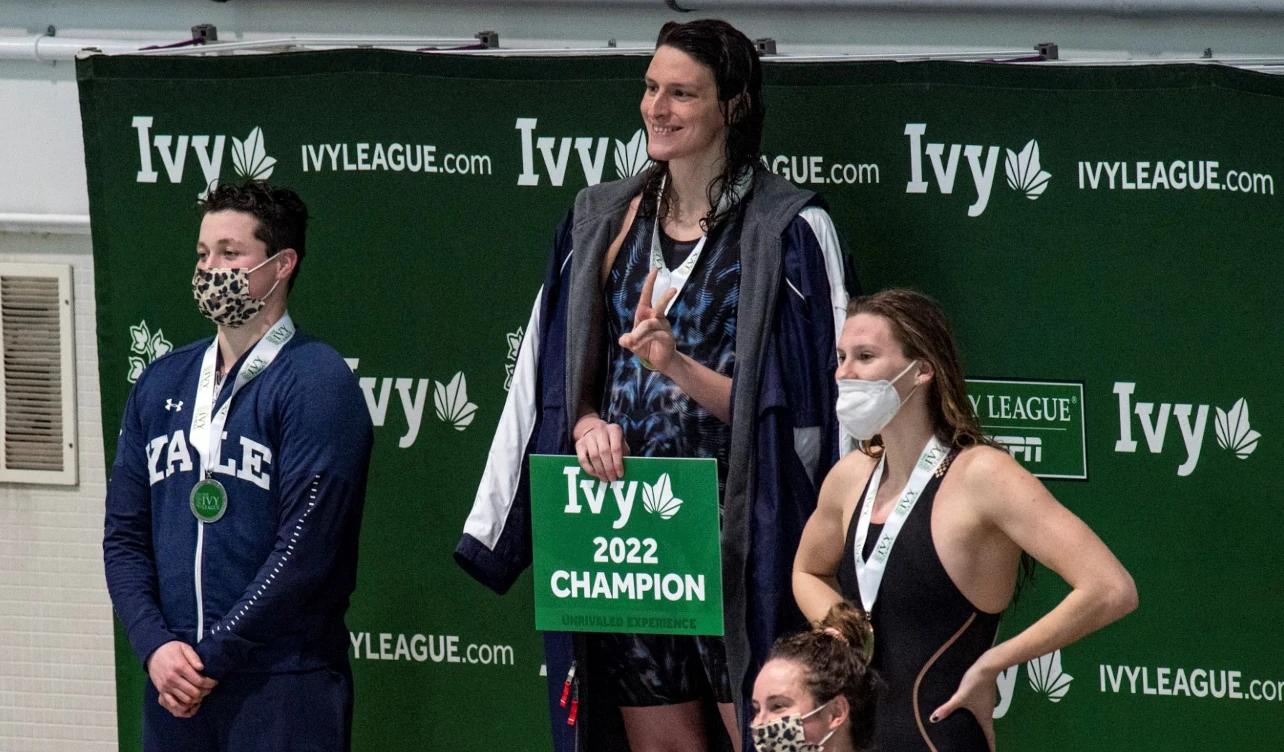
The Supreme Court’s decision was framed as potentially affecting more than just Idaho and West Virginia, because transgender athlete restrictions in those states have been replicated in at least 25 other states, according to Nación321. Nación321 said the ruling could have repercussions for the rights of transgender people across the country, while also noting that the nine justices overturned lower-court rulings that had favored Lindsay Hecox and Becky Pepper-Jackson. The decision also added to what Bloomberg described as a string of recent defeats in courts controlled by conservatives for transgender people and LGBTQ rights more broadly, including rulings that upheld bans on certain medical treatments for transgender youths and allowed Trump to expel transgender service members from the Armed Forces.
CNN reported that last Tuesday’s 6-3 Supreme Court decision upholding state laws that forbid trans women from playing on female sports teams reflected a national trend since 2020 and the justices’ reinforcement of that pattern. CNN quoted Columbia University law professor Suzanne Goldberg saying, “Law is being used to scapegoat transgender people,” and linked that to restrictions “in schools, in getting a passport, from serving in the military, in getting healthcare.”