
US Treasury Secretary Scott Bessent Says US Blockade Crushed Iran’s Currency to Record Low
Key Takeaways
- Iran’s currency hit a record low, per US Treasury Secretary Scott Bessent.
- The blockade blocks Iran’s oil exports and shipping routes, worsening pressure.
- Oil prices rose amid tensions and potential strikes.
Currency, blockade, and law
US Treasury Secretary Scott Bessent said Iran’s currency has fallen to a record low amid mounting economic pressure, linking the drop to “the US blockage of Iranian oil exports and shipping routes.”
In a post on X, Bessent wrote, “With their oil industry closing and their currency plummeting, it is past time for the Iranian regime to concede that the people of Iran deserve much better than the ruins of their current regime can provide,” and added, “The Iranian people deserve a new era, which the corrupt and shambolic Iranian regime cannot provide.”

The BBC framed the US move as a blockade of Iranian ports in the Strait of Hormuz, explaining that the US wants to restrict Tehran’s ability to profit from oil exports and that the US president told Fox News, “we're not going to let Iran make money on selling oil to people that they like and not people that they don't like.”
The BBC also described the conflict as shifting into a “war of blockades,” with both sides using force to intercept and seize commercial vessels, and it quoted the UN maritime agency’s position that “no country has a legal right to block shipping in straits used for international transit,” citing Secretary-General Arsenio Dominguez.
In Washington, the Radio Free Europe/Radio Liberty report said a War Powers Resolution deadline is triggering a legal dispute, with the Trump administration arguing that the halt in fighting means the conflict no longer counts as “active hostilities” under the War Powers Resolution.
The same report said the conflict began on February 28 with US and Israeli air strikes on Iran, followed by strikes from Tehran, and it noted that Democrats argue the law does not allow the administration to pause the timeline because of a truce.
Together, the reports portray economic pressure and legal contestation as intertwined with the blockade fight over the Strait of Hormuz.
Hormuz rules and retaliation
Iran’s response to the Strait of Hormuz pressure has been framed across multiple outlets as a shift toward “new rules” and a “new management” system for the waterway.
The Indian Panorama reported that Iran’s Supreme Leader Mojtaba Khamenei said the Islamic Republic would “safeguard” its “nuclear and missile” capabilities and lay down new rules for managing the Strait of Hormuz, hours after US President Donald Trump said a blockade of Iranian ports would remain until a nuclear deal is reached.

The NTD News report, citing a statement released by state-run PressTV, said Khamenei told that Tehran “will secure the Persian Gulf region and will dismantle the hostile enemy's abuses of this waterway” and that the strait “will be managed by new rules.”
In the same dispute, the BBC described how Iran has responded to the US blockade by calling it “piracy” and threatening to retaliate by targeting ports in the Gulf states, while also quoting a statement attributed to Iranian Supreme Leader Mojtaba Khamenei that said if the US resumed attacks Tehran would respond with “long and painful strikes” and that Tehran would secure the Strait of Hormuz and eliminate “the enemy's abuses of the waterway.”
The Mehr News Agency and Muslim Mirror both presented Khamenei’s message marking National Persian Gulf Day, with Mehr quoting that “The new legal framework and management system for the Strait of Hormuz will advance comfort and development for all the region’s nations,” and Muslim Mirror describing a “new chapter” for the Persian Gulf and the Strait of Hormuz.
The PBS/Associated Press report added that Khamenei vowed to protect Iran’s nuclear and missile capabilities, saying the only place Americans belonged in the Persian Gulf is “at the bottom of its waters” and that a “new chapter” was being written in the region’s history.
Taken together, the accounts show Iran presenting its Strait of Hormuz policy as legal management and deterrence, while the US and others frame it as a blockade and coercion contest.
UAE rejects unilateral control
The UAE’s position toward Iran’s Strait of Hormuz moves was presented as a direct rejection of unilateral control, with Anwar Gargash arguing for an international, law-based guarantee for navigation.
Radio Free Europe/Radio Liberty reported that UAE diplomatic adviser Anwar Gargash rejected Iranian control over the Strait of Hormuz, advocating for “the collective international will and provisions of international law” to ensure maritime security, and it quoted his X post: “the collective international will and provisions of international law emerge as the primary guarantor of freedom of navigation through this vital passage, serving the stability of the region and the global economy in the postwar phase.”
Gargash added, “no unilateral Iranian arrangements can be trusted or relied upon following its treacherous aggression against all its neighbors,” and the report said Iranian officials had reiterated Tehran’s intention to control the Strait of Hormuz in recent days.
The same Radio Free Europe/Radio Liberty account described the strait as a critical chokepoint and said nearly all of the UAE’s LNG exports and the majority of its crude oil exports traditionally pass through the strait, with “Roughly 12–13 percent of the oil flowing through it originates from the UAE.”
The BBC similarly described Gulf Arab nations, “chief among them the United Arab Emirates,” decrying Iran’s control of the strait as akin to piracy, and it said the UN maritime agency has stated there is no legal basis to block shipping in international transit straits.
In a separate report, bloomingbit said Gargash criticized Iran’s unilateral move as something that “could never be trusted,” accusing Tehran of carrying out “treacherous acts of aggression” against neighboring countries, and it repeated that freedom of navigation rests on “the collective will of the international community and the provisions of international law.”
Finally, the Radio Free Europe/Radio Liberty report said the UAE announced on April 30 it was banning travel by Emirati nationals to Iran, Lebanon, and Iraq, citing the Middle East war and other security concerns.
Air defenses and drone reports
While the Strait of Hormuz dispute unfolded, Iranian air defenses and drone-related reports were described as activating in Tehran’s capital late on April 30.
Radio Free Europe/Radio Liberty said air defense systems were activated in Iran’s capital late on April 30, with antiaircraft fire heard in several parts of the city as forces responded to suspected drones, and it reported that the sounds were heard for about 20 minutes.
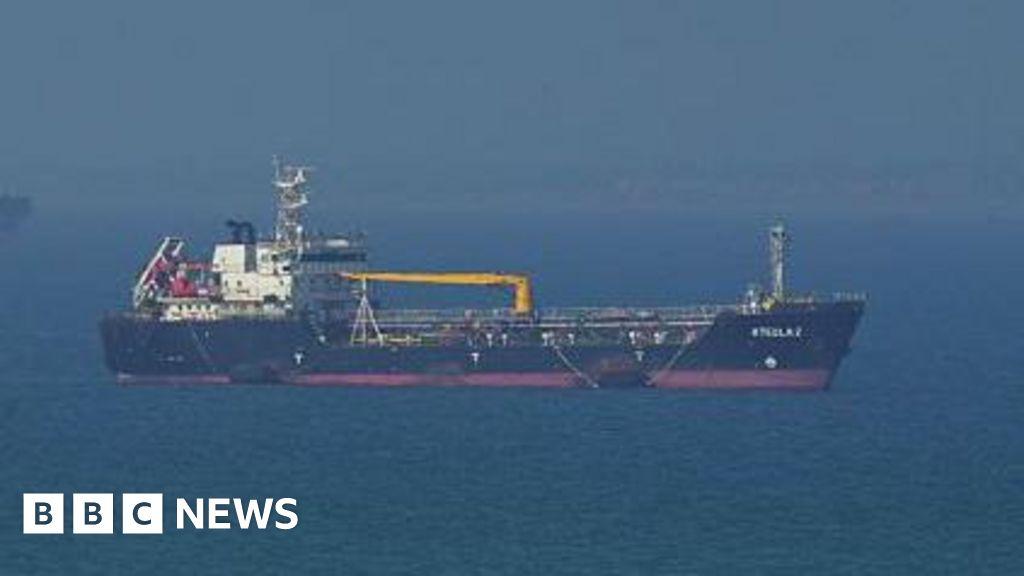
The report said, according to the Tasnim and Fars news agencies, both affiliated with Iran’s Islamic Revolutionary Guards Corps, the air defenses targeted “small aircraft and reconnaissance drones” over Tehran, and it added that it was initially unclear whether the activity was part of a military test or an operational response.
It further stated that the news agencies later reported that the systems had been used to counter aerial objects but provided no further details on their origin or whether any were shot down.
The report said Iranian media said the activity stopped after roughly 20 minutes and that the situation in Tehran had returned to normal, with no reports of damage or casualties.
The same Radio Free Europe/Radio Liberty account placed the activation against a backdrop of a cease-fire that paused direct fighting between Iranian and US forces since April 8.
Together, the reports connect drone and air-defense activity in Tehran with the operational logic of maritime interdiction in the Gulf of Oman and the Strait of Hormuz.
Reopening, UN reaction, and rules
As the conflict shifted, one report said Iran moved to reopen the Strait of Hormuz to commercial ships while still imposing specific rules and coordination with Iran.
“Summary - Iran said it would begin collecting transit fees from ships passing through the Strait of Hormuz and introduce new legal rules and a management system, signaling a push to strengthen its control over the waterway”
The خبرگزاری آنا report, citing Iran’s Aha News Agency, said Stéphane Dujarric, the spokesman for the UN Secretary-General, said Antonio Guterres welcomed Iran’s move to fully reopen the Strait of Hormuz to commercial ships, and it quoted Dujarric’s framing that “the international rights and freedoms of navigation in the Strait of Hormuz must be fully restored and all parties must respect them.”
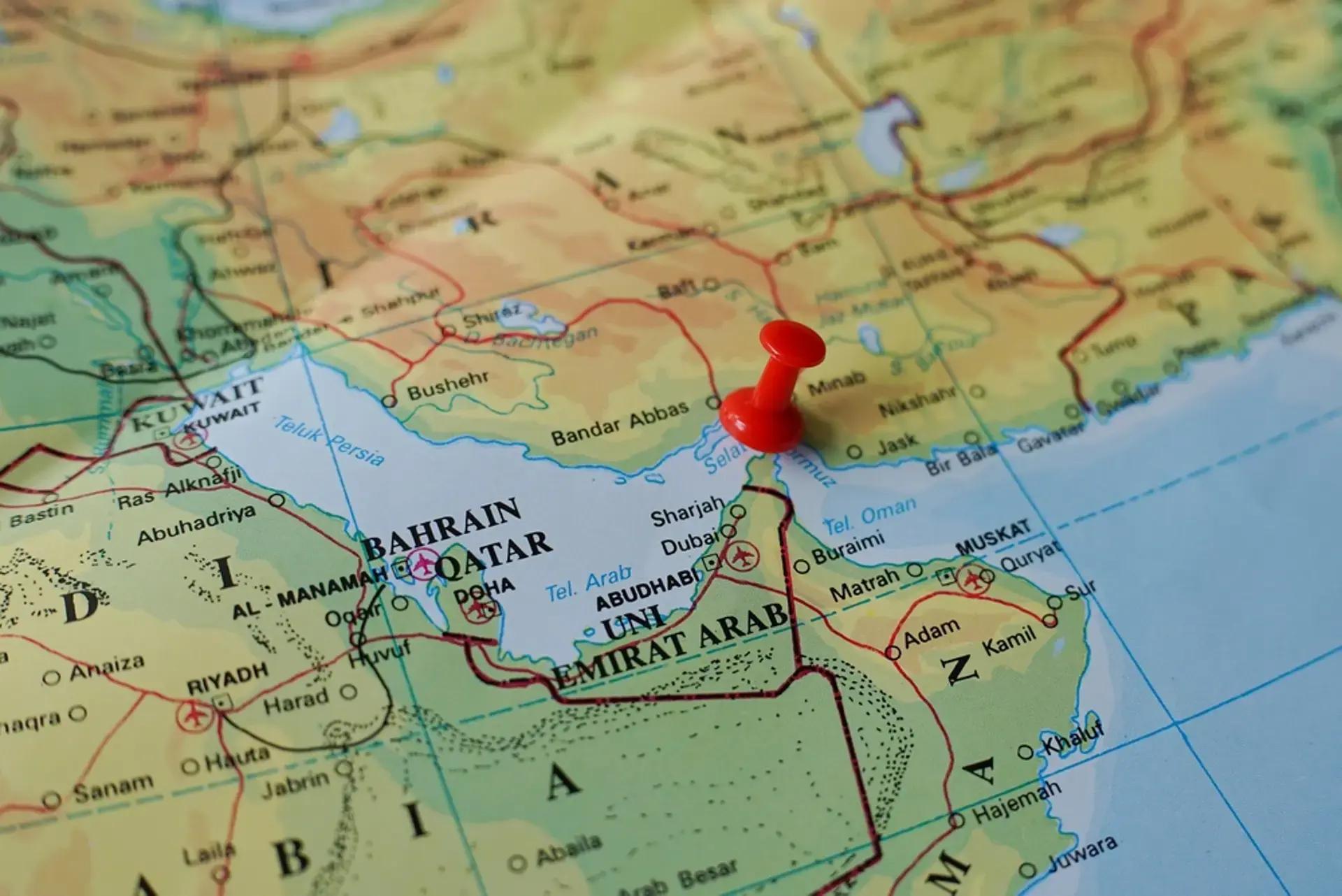
The same report said the development occurred on the tenth day of the ceasefire between Iran and the United States and concurrently with the continuation of the ceasefire in Lebanon, and it stated that Tehran formally announced that the Strait of Hormuz is open for the passage of all commercial ships, but under specific rules and in coordination with Iran.
It then quoted Iran’s Foreign Minister Seyed Abbas Araghchi writing on X that “the passage of ships must be conducted solely along the route previously determined and announced by the Iran Ports and Maritime Organization.”
The report also said the IRGC Navy Command released four guiding principles for the new order, including that “Transit of non-military vessels only along the route designated by Iran” and that “The transit of military vessels through the Strait of Hormuz remains prohibited.”
It added that “A license from the IRGC Navy is mandatory for any transit,” and it said the facilities are aligned with “the period of battlefield silence and after the Lebanon ceasefire is implemented.”
In parallel, the Qatar news agency reported Turkish Foreign Minister Hakan Fidan expressing concern over Iran and the United States proposing new rules for crossing the Strait of Hormuz, saying reopening must be achieved through diplomacy and noting obstacles around establishing an international force to oversee reopening.
More on Iran
Iran War Halts Strait of Hormuz Shipping, Yara Chief Warns of Global Fertiliser Squeeze
15 sources compared

Donald Trump Threatens Iran Infrastructure as Hamadan Neighborhood Attacked and MQ-9 Destroyed
12 sources compared

Saman Rezaei Says US And Israel Attacks Killed At Least 44 Iranian Seafarers
13 sources compared
Iran Officials Reject U.S. Claims, Say Mojtaba Khamenei Is Alive in Perfect Health
12 sources compared