
U.S. Treasury Warns Shippers Against Paying Iranian Hormuz Tolls, Threatens Sanctions
Key Takeaways
- U.S. Treasury OFAC warns shippers face sanctions for paying Hormuz tolls.
- Naval blockade of the Strait of Hormuz continued into its third week.
- Iran grants exemptions for some allies; reports indicate toll revenues have started.
Hormuz toll sanctions
The United States Treasury warned U.S. shippers that they could face sanctions for paying Iranian tolls to gain access through the Strait of Hormuz, with the warning tied to the Treasury’s Office of Foreign Assets Control (OFAC) advisory.
The Maritime Executive described the Treasury’s effort as part of “Economic Fury,” saying it expanded “a number of efforts to tighten the economic controls on Iran while adding warnings to the shipping industry,” and it said the Treasury rolled out additional sanctions on Friday, May 1.

In the Hill, the Treasury warning was described as telling U.S. shippers they “could face sanctions if they have been found paying Iranian tolls to gain access through the Strait of Hormuz,” and the OFAC advisory stated that “U.S. persons and U.S.-owned or -controlled foreign entities are generally prohibited under U.S. sanctions from engaging in transactions with the Government of Iran.”
Reuters, via WHBL News, added that the Treasury warned that “Any shipper paying tolls to Iran for passage through the Strait of Hormuz, including charitable donations to organizations such as the Iranian Red Crescent Society, is at risk of punitive sanctions.”
The Reuters-linked reporting also said the advisory clarified that payments disguised through charity or indirect payments are not allowed, and it noted that “There have been reports of at least one payment of $2 million having been made for a vessel to traverse the Strait.”
The Hill further reported that the advisory did not specify whether any companies have made indirect payments, while also stating that “some ships have paid up to $2 million in toll fees to Tehran since the U.S.-Israeli conflict in Iran began on Feb. 28.”
Economic Fury and OFAC details
The Treasury’s warning was presented as part of a broader campaign to disrupt Iran’s financial capacity, with the Maritime Executive quoting Treasury Secretary Scott Bessent describing the approach as “Economic Fury.”
The Maritime Executive said Bessent stated, “Treasury is moving aggressively, through Economic Fury, to sever the Iranian military’s financial lifelines,” and it added, “We will relentlessly target the regime’s ability to generate, move, and repatriate funds, and pursue anyone enabling Tehran’s attempts to evade sanctions.”

It reported that OFAC issued a statement saying it was aware of Iranian demands for “toll” payments to receive safe passage through the Strait of Hormuz, while warning about the “sanctions risks of making these payments, or soliciting guarantees from, the Iranian regime for safe passage.”
The Hill’s account emphasized the legal framing, quoting OFAC’s advisory that “U.S. persons and U.S.-owned or -controlled foreign entities are generally prohibited under U.S. sanctions from engaging in transactions with the Government of Iran, including the provision or receipt of services, unless exempt or authorized by OFAC.”
WHBL News, also citing Reuters, described OFAC’s clarification that payments framed as charity are still prohibited, stating that “OFAC advised companies this week that paying the tolls puts them at risk, but clarified on Friday that payments disguised through charity or indirect payments are not allowed.”
The Maritime Executive further said OFAC warned that the risks exist regardless of the payment method, and it reported that OFAC noted prohibitions of engaging in transactions with the government of Iran as well as Iran’s Islamic Revolutionary Guard Corps.
Ceasefire, blockade, and diplomacy
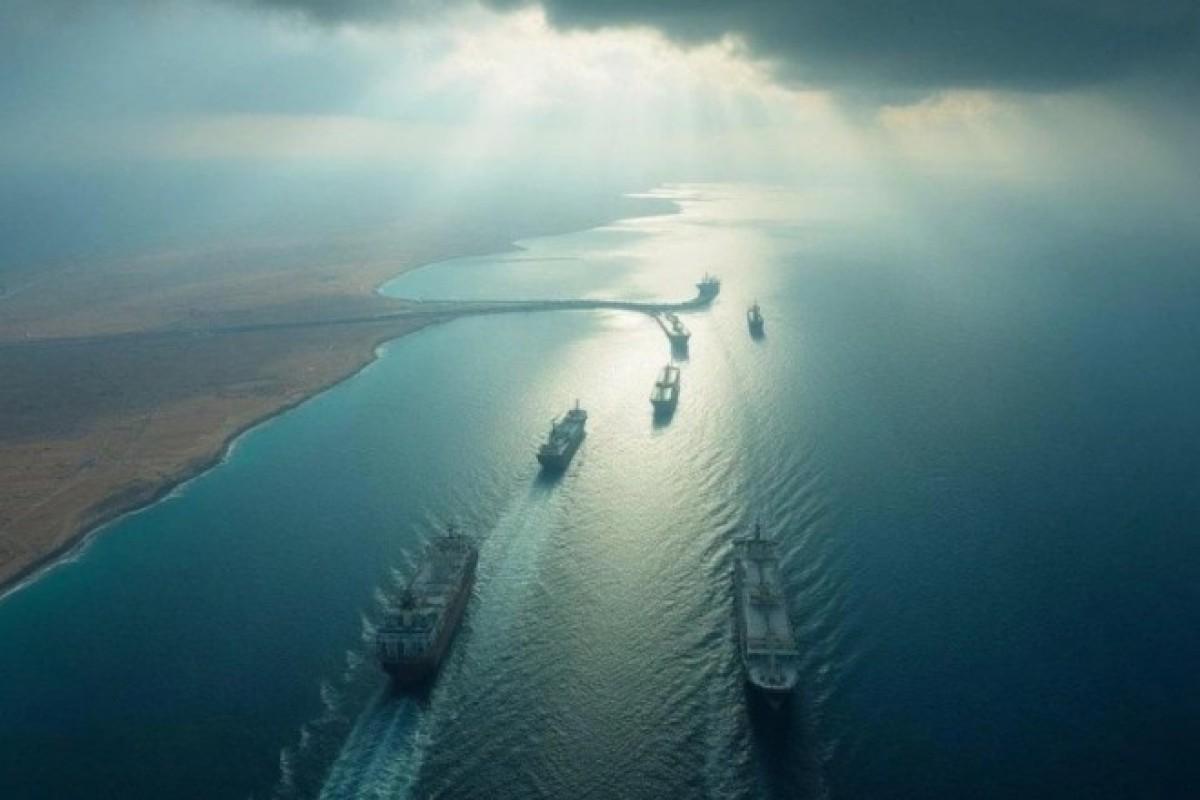
The warning arrived while the U.S. naval blockade of the Strait of Hormuz continued, with Al Jazeera reporting that the warning came “as a US naval blockade of the strait continued for its third week, amid stalled US-Iran ceasefire talks.”
Al Jazeera said Iranian President Masoud Pezeshkian called the ongoing siege on the country’s ports “intolerable,” and it tied Iran’s leverage over the waterway to the period after the U.S. and Israel began launching attacks on Iran on February 28.
It stated that “About one-fifth of the global crude oil and liquefied natural gas maritime shipments pass through the arterial waterway,” and it described Iran’s past proposals to charge fees or tolls for vessels seeking to pass through the state.
Al Jazeera also quoted the OFAC alert, including the language that “OFAC is issuing this alert to warn US and non-US persons about the sanctions risks of making these payments to, or soliciting guarantees from, the Iranian regime for safe passage,” and it added, “These risks exist regardless of payment method.”
It reported that the advisory said Iran may offer payments framed as charitable donations, including to the Iranian Red Crescent Society, Bonyad Mostazafan, or Iranian embassy accounts.
Al Jazeera further reported that Iranian state media said Tehran had sent a new proposal for a lasting ceasefire to the Trump administration, and it said a White House spokesperson declined to confirm receipt, adding that “Trump has been clear that Iran can never possess a nuclear weapon, and negotiations continue to ensure the short- and long-term national security of the United States.”
Trump, Rubio, and War Powers
The Hill connected the Treasury warning to the Trump administration’s broader approach to the Iran conflict and ceasefire diplomacy, describing how OFAC’s advisory warned about toll payments while the U.S. rejected Iranian peace proposals.
It said some ships have paid “up to $2 million in toll fees to Tehran since the U.S.-Israeli conflict in Iran began on Feb. 28,” and it reported that an Iranian Oil, Gas and Petrochemical Products Exporters’ Union spokesperson announced a fee of “$1 per barrel of oil on board tankers amid the ceasefire between the U.S. and Iran.”
The Hill also described how Iran’s plan would require ships to email Iranian authorities about what they are carrying before vessels were given the option to pay in bitcoin, and it said President Trump condemned the tolling system idea after Iran announced the plan, telling the country that it “better stop now!”
It reported that Trump initially proposed for the U.S. and Iran to run a “joint venture” of tolls, and it said Secretary of State Marco Rubio in March called Iran’s setup of a tolling system “illegal” and “dangerous for the world.”
The Hill described the ceasefire as “shaky,” and it said the U.S. rejected Iranian peace proposals, including the latest proposal on Wednesday that would reopen the Strait of Hormuz in exchange for the U.S. lifting its naval blockade on Iranian ports and vessels in the waterway.
On the domestic legal timeline, the Hill reported that the Trump administration said Friday the war in Iran was already “terminated” after the countries reached a ceasefire deal “for War Powers Resolution purposes,” and it said Trump formally notified Congress on March 2, making Friday the 60-day mark.
Sanctions targets and enforcement
Beyond the shipping warning, the reporting described additional U.S. sanctions actions and enforcement mechanisms tied to Iran’s financial network and maritime activity.
The Maritime Executive said Treasury designated three Iranian foreign currency exchange houses, asserting they were facilitating “billions of dollars in foreign currency transactions,” and it reported that Iran primarily settles oil sales in Chinese yuan and then uses these houses to convert the oil revenues.

It also said Treasury moved to interrupt electronic banking and other electronic financial transactions that it called shadow banking facilitators, and it reported that vessels calling at Iranian ports face significant sanctions.
The Jerusalem Post added that the Treasury warned that any shippers paying tolls to Iran, including charitable donations, are at risk of punitive sanctions, and it quoted Treasury saying the OFAC is aware of “Iranian threats to shipping and demands for 'toll' payments to receive safe passage through the international Strait of Hormuz.”
It also said Treasury noted that any such payments are “generally prohibited,” and it described the U.S. Central Command’s role, stating that “Vessels of all nations entering or leaving Iranian ports and coastline are also subject to US Central Command’s (CENTCOM) impartial naval blockade.”
The Maritime Executive also said the Department of State announced new sanctions against another Chinese petroleum terminal operator tied to imports of “millions of barrels of sanctioned Iranian crude oil,” and it said State designated two vessel management companies, Thriving Times and Onboard Ship Management, with Thriving Times said to be based in the UK and Onboard Ship Management said to be based in Hong Kong.
More on USA

7th Circuit Upholds Illinois Protect Illinois Communities Act Ban on Semiautomatic Guns
12 sources compared

Indiana State Police Trooper Justin Heflin Shot During Pursuit; Suspect Kevin W. Meyers Found Dead
10 sources compared

Donald Trump Fires Election Assistance Commission Members, Leaving No Commissioners
12 sources compared

Eight Accused Of Planning Terror Attack At Casa Blanca UFC Freedom 250 Event
18 sources compared