Other30 April, 20266 min read
Virginia Jury Convicts Mohammad Sharifullah of Aiding ISIS-K in Kabul Airport Bombing
This article is an automated aggregation of coverage from news outlets. Our editorials offer in-depth analysis curated by the NewsCord team.
Mohammad Sharifullah convicted in Virginia federal court of conspiring to provide material support to ISIS-K. Kabul airport bombing during the U.S. withdrawal killed 13 U.S. service members and many Afghans.
Conviction, but no deaths link
A federal jury in Virginia convicted Mohammad Sharifullah on Wednesday of conspiring to provide material support to an Islamic State regional branch known as ISIS-K in connection with the August 26, 2021, suicide bombing at Kabul airport, but jurors deadlocked on whether any deaths at the airport “resulted from” that conspiracy.
CNN reported that Sharifullah “faces a maximum prison sentence of 20 years after his one-count conviction,” and said the jury could have imposed a possible life sentence if it had unanimously decided the deaths element.

The Washington Post similarly described that jurors “did not agree with prosecutors’ claim that he played a role in the deadly attack,” even while convicting him of a terrorism offense.
Al-Monitor, citing Reuters, put the same outcome in terms of a deadlock that “spared the defendant, Mohammad Sharifullah, from a possible life sentence,” while still leaving him facing “up to 20 years in prison.”
CNN said the jury deliberated for roughly eight hours over two days and that, in a note to the judge, jurors indicated they quickly reached a unanimous decision to convict on conspiracy but “couldn’t agree on the element that could have significantly enhanced the severity of his sentence.”
ABC7 Los Angeles also reported that “Sharifullah could have faced a possible life sentence if the jury had unanimously decided that question,” and that U.S. District Judge Anthony Trenga “didn’t immediately set a date for Sharifullah’s sentencing.”
Across the coverage, the trial’s central factual dispute was whether the prosecution proved that Sharifullah’s actions directly caused deaths at Abbey Gate during the evacuation operation.
Attack details and the case theory
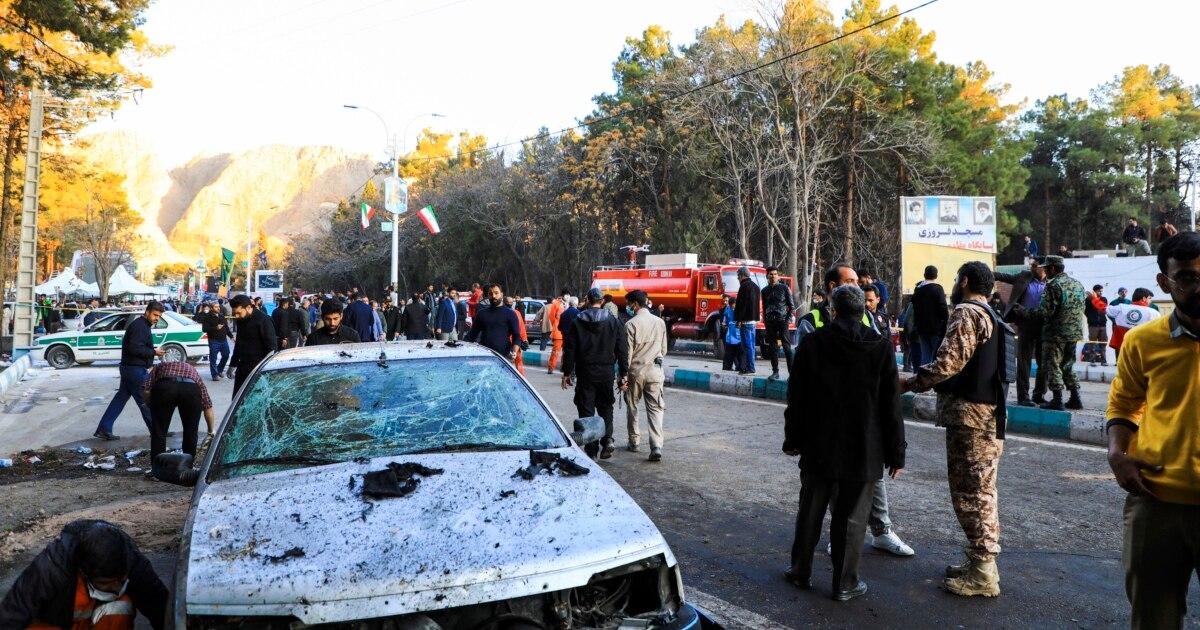
The conviction stemmed from the August 26, 2021, attack at Kabul airport, where U.S. troops were conducting an evacuation operation when a lone suicide bomber detonated an improvised explosive device near an entry point known as Abbey Gate. CNN said approximately 160 Afghans and 13 US service members were killed, and described the bomber as detonating near Abbey Gate during the chaotic withdrawal. ABC7 Los Angeles echoed that the attack killed “Approximately 160 Afghans and 13 U.S. service members,” and identified Abbey Gate as the entry point where the lone suicide bomber detonated an improvised explosive device.
Al-Monitor, again citing Reuters, specified that the suicide bomber detonated an explosive vest at Abbey Gate, killing “11 Marines, one Navy corpsman and one Army soldier,” along with “an estimated 160 Afghan civilians.” CNN and ABC7 Los Angeles both reported that a federal jury convicted Sharifullah of providing material support to ISIS-K, but deadlocked on whether the deaths resulted from the conspiracy.

Prosecutors’ theory, as described by CNN, was that Sharifullah played a crucial role in planning the Abbey Gate bombing and was involved in several other ISIS-K attacks, including its March 2024 attack at a Moscow concert hall that killed roughly 140 people. Al-Monitor described that prosecutors said Sharifullah helped ISIS-K by “conducting reconnaissance and facilitating communications ahead of the attack,” while defense attorneys argued the government relied too heavily on Sharifullah’s own statements during FBI interrogations.
Prosecution and defense clash
The trial featured competing narratives about what Sharifullah knew and what he did, with prosecutors emphasizing planning and defense attorneys challenging the evidentiary basis. CNN quoted Justice Department prosecutor Ryan White saying Sharifullah “played a crucial role in planning the Abbey Gate bombing,” and that “The defendant thought nothing of killing,” adding, “For him, it was just another day at the office.” CNN also reported that defense attorney Lauren Rosen argued prosecutors failed to present evidence tying Sharifullah to the bombing besides his own words during hours of FBI questioning, and she told jurors during closing arguments, “The problem was, he didn’t know much about what actually happened that day,” and “The government has told you nothing about how this attack actually happened.”
ABC7 Los Angeles included the same Rosen closing-argument lines, and said Rosen argued Sharifullah told FBI agents what he thought they wanted to hear, possibly because he was afraid of being tortured in Pakistani custody before he was brought to the U.S. The prosecution also framed Sharifullah’s statements as motive, with CNN reporting that White said Sharifullah told a journalist that he wanted to “catch and kill the crusaders” from the U.S. for invading his country after the September 11, 2001, terror attacks.
Rosen, in CNN’s account, argued that U.S. authorities accepted ISIS propaganda at face value when the group took responsibility for the airport bombing, and she suggested militants from a Taliban offshoot were manning Abbey Gate and could have been involved in the attack. CNN quoted Rosen warning jurors, “You can’t base your verdict on mere conjecture and speculation,” and “That’s what the prosecution is asking you to do.”
Political backdrop and shifting narratives
The case unfolded in a politically charged context tied to the Afghanistan withdrawal and President Donald Trump’s public framing of the suspect. CNN said President Donald Trump heralded the case last year during a speech to a joint session of Congress and described Sharifullah as an alleged Islamic State group militant from Afghanistan convicted of aiding the terror organization that took credit for the bombing. CNN also reported that during Trump’s most recent presidential campaign, Trump repeatedly condemned Joe Biden for his role in the chaotic Afghanistan withdrawal and blamed him for the Abbey Gate attack, while Biden’s White House was following a withdrawal commitment and timeline that the first Trump administration had negotiated with the Taliban in 2020.
CNN added that a 2022 review by a government-appointed special investigator concluded decisions made by both Trump and Biden were key factors leading to the rapid collapse of Afghanistan’s military and the Taliban takeover. CNN also described a personnel dispute inside the Justice Department: a prosecutor assigned to the Abbey Gate case was fired last year after a right-wing commentator publicly criticized him over his work during President Joe Biden’s Democratic administration.
Reuters-based reporting in Al-Monitor added that the case marked “the first U.S. criminal trial stemming from the Abbey Gate attack,” and said Sharifullah was arrested in Pakistan near the Afghan border by Pakistani security forces working with the FBI and CIA. The broader political narrative also appears in non-U.S. coverage, where other outlets described Trump’s announcement of the arrest and transfer, including a claim that Pakistan had cooperated in capturing the “terrorist mastermind.”
What happens next, and why it matters
The conviction sets up sentencing and leaves unresolved questions about causation that jurors did not unanimously find.
CNN said U.S. District Judge Anthony Trenga “didn’t immediately set a date for Sharifullah’s sentencing,” and that the jury deliberated for roughly eight hours over two days, with a note indicating unanimity on conspiracy but disagreement on the element that could have enhanced the severity of the sentence.

ABC7 Los Angeles likewise reported that Trenga “didn’t immediately set a date for Sharifullah’s sentencing,” and that the judge rejected a prosecutor’s request to give jurors more time to deliberate.
CNN said Sharifullah faces a maximum prison sentence of 20 years after his one-count conviction, while Al-Monitor described the outcome as sparing him from a possible life sentence and leaving him facing “up to 20 years in prison.”
The stakes extend beyond the courtroom because the case is tied to the evacuation operation at Abbey Gate and to the broader debate over the Afghanistan withdrawal, which CNN said has continued to shape debate over how Biden’s administration withdrew from Afghanistan.
CNN also described that a review by U.S. Central Command concluded the attack was not preventable and that the snipers hadn’t seen the actual bomber, after a former Marine testified to Congress about spotting two possible suspects but not getting permission to act.
Looking forward, the case’s unresolved causation element means the sentencing outcome will hinge on what the court does with the jury’s deadlock, even as the conviction itself stands.