Europe02 July, 20262 min read
Von der Leyen Backs Kaja Kallas as Countries Call to Dismantle the EEAS
This article is an automated aggregation of coverage from news outlets. Our editorials offer in-depth analysis curated by the NewsCord team.
Calls to dismantle the EEAS; Kallas says it will stay. Kallas and Von der Leyen clash over EU foreign action leadership.
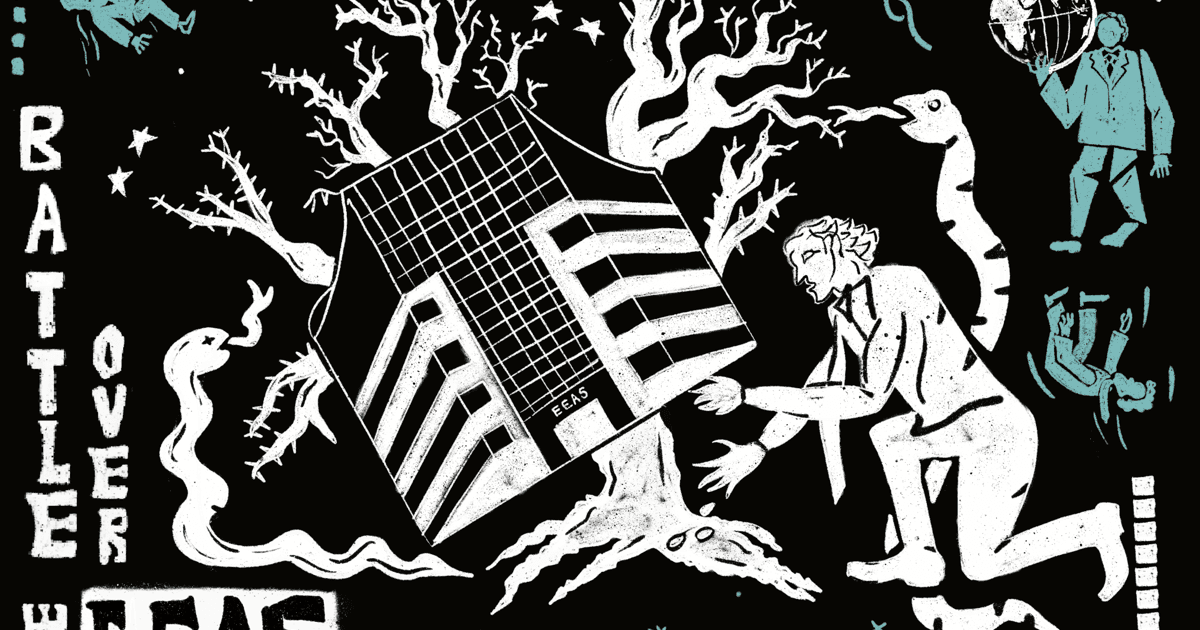
EEAS reform debate erupts
Ursula von der Leyen backed Kaja Kallas and the EU's High Representative office as some countries called to dismantle the European External Action Service (EEAS) and return its competences to member states and the EU's executive. At a Brussels press conference, Commission chief spokesperson Paula Pinho said, "The European External Action Service is part of the institutions that implement EU policies," adding that the president lends support to "the work that emanates from the EEAS."
The dispute follows a Financial Times report that France and Germany were exploring options including placing EEAS functions entirely under the European Commission, transferring them to the Council of the EU, or granting the High Representative more power. In parallel, Euractiv reported that Kallas told staff in an email that "It is important to remind that the roles and responsibilities of EU institutions are clearly defined in the treaties," and said she was committed to "a strong EEAS."
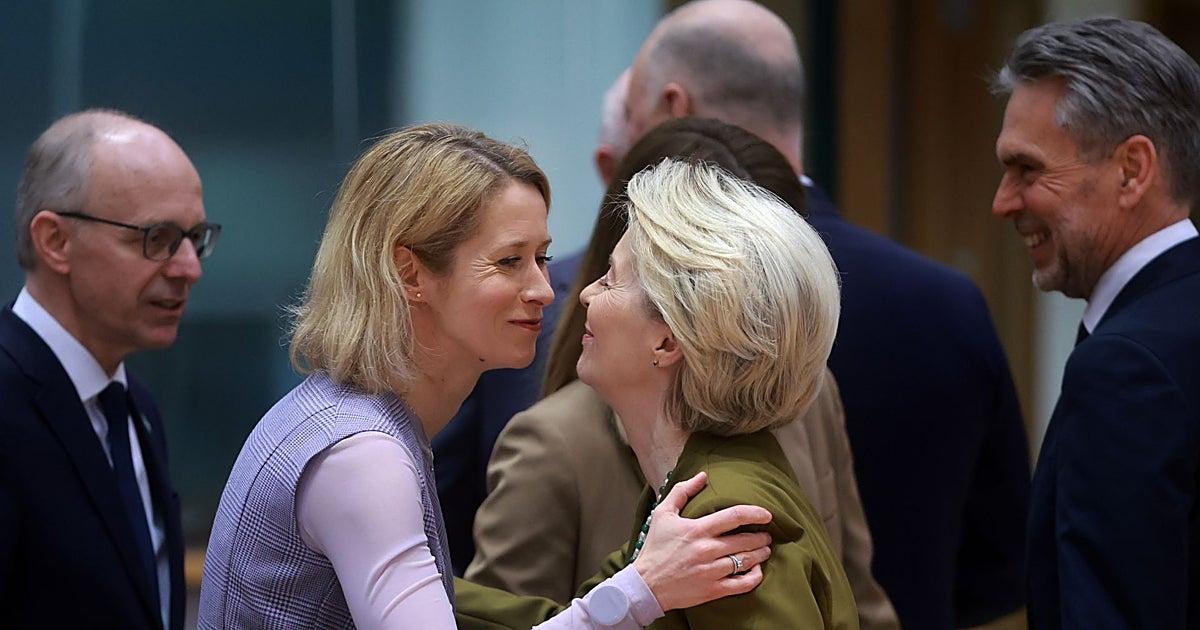
Power struggle shapes policy
El Mundo described a fracture between Kaja Kallas and Ursula von der Leyen, quoting sources consulted that "the relationship has never been too good between Kaja Kallas and Ursula von der Leyen" because Kallas is "very direct" but "not diplomacy." The same El Mundo account said some countries, during negotiations on the next EU budget, want to cut the agency's "1,000 million annual allocation" and redirect it, while others like France and Germany bet on reducing competences and transferring them to member states and the European Commission.
Euractiv also reported that a Reuters document prepared by French officials suggested three paths for reform, including placing diplomatic responsibilities under the Commission, transferring them to the EU Council, or strengthening the EEAS and Kallas's powers. In response to the leak narrative, La Matinale Européenne said the Commission’s spokesperson assured von der Leyen’s support for the EEAS, quoting: "It’s evident that our president supports it."

What’s at stake next
POLITICO framed the EEAS as a long-running governance problem, saying the institution’s current challenges reflect a contradiction built into its founding and quoting Nathalie Tocci that the situation is "a ‘Houston, we have a problem’ situation." POLITICO also said the EEAS was launched 16 years ago and was born of compromise under the Lisbon Treaty, with governments wanting Europe to speak more forcefully abroad but unwilling to surrender enough control to create a fully-fledged EU foreign ministry.
The article described the EEAS as sitting between the Commission, the Council and 27 EU member countries, noting that "About two-thirds of the EEAS’s 5,000 staff" come from the Commission and EU institutions while "around one-third" are diplomats seconded from member countries. In the same POLITICO account, Hylke Dijkstra said, "The setup in Brussels is suboptimal," as the EEAS faces internal tensions, ebbing morale, and criticism over its effectiveness while a turf war continues between Kallas and von der Leyen.