When Silence Becomes a Crisis.
Key Takeaways
- ModernGhana published the piece on Wed, 11 Mar 2026
- Thompson, Oko Rafiq is credited as the article's author
- The item is posted in ModernGhana's Feature Article section
Author's purpose
Thompson Oko Rafiq writes as a doctoral student in Social Change Communication at the University for Development Studies, not as a journalist chasing headlines or a market competitor, and frames the piece as a research-based warning rather than an attack.
“Archive More Blog Columnists Articles Features Opinions Editorial Polls Comments Hot Stories OnAIR [](https://www”
He specializes in crisis communication and reputational management and says he has studied major international telecommunications crises to identify common patterns: infrastructure failures combined with delayed or unclear communication that escalate public frustration and invite regulatory scrutiny.
The article’s purpose is to urge executives at MTN Ghana and Telecel Ghana to recognise that their responsibilities extend beyond engineering to include transparent and timely public communication to prevent avoidable reputational and regulatory consequences.
Infrastructure reliance
The article argues that telecommunications are now essential infrastructure in Ghana, comparable to electricity, water and transport, and cites National Communications Authority data that the country recorded more than 38 million active mobile voice subscriptions in 2023 to illustrate widespread reliance.
It draws on GSMA findings to note that Ghana is among the fastest-growing markets for mobile financial services and emphasises that mobile networks support digital financial transactions, business payments and transfers, educational services, health messaging systems, and communication with emergency services.
“Archive More Blog Columnists Articles Features Opinions Editorial Polls Comments Hot Stories OnAIR [](https://www”
Because networks underpin everyday economic and social activity, outages extend beyond inconvenience to disrupt transactions, emergency contact and public services, making communication during disruptions as important as technical recovery.
Communication principles
Thompson summarises crisis communication research, referencing Situational Crisis Communication Theory (W. Timothy Coombs) to explain that audiences assess who appears responsible and that early acknowledgement affects whether stakeholders respond with understanding or anger.
“Archive More Blog Columnists Articles Features Opinions Editorial Polls Comments Hot Stories OnAIR [](https://www”
He highlights the ‘golden hour’ concept—where organisations should publicly acknowledge a crisis even without complete information—and warns that silence allows audiences to construct negative explanations.
The article also cites Image Repair Theory (William Benoit) and reputation scholarship (Charles Fombrun) to argue that apology, explanation and corrective action often reduce reputational damage, and that reputation functions as a reservoir of public trust which repeated unexplained failures deplete.
Global lessons and recommendations
The article reviews international incidents to show consequences of poor communication: the Optus outage in Australia in November 2023, where reports cited 624 attempts to contact emergency services that did not connect (Associated Press, 2025); the AT&T network failure in February 2024 that disrupted millions of calls and left thousands of 911 attempts unsuccessful according to Federal Communications Commission reports; and the Rogers blackout in July 2022 that affected payment systems and government services and prompted parliamentary hearings in Canada.
From these cases the author draws lessons for Ghana: regulators like the National Communications Authority oversee network performance, and repeated or unexplained outages can attract regulatory investigations, political attention and legal challenges, sometimes including financial penalties when reporting obligations are unmet.
“Archive More Blog Columnists Articles Features Opinions Editorial Polls Comments Hot Stories OnAIR [](https://www”
He concludes with concrete recommendations for Ghana’s telecoms—timely acknowledgement of disruptions, regular updates while teams work, clear post-incident explanations, advance notifications for scheduled maintenance, and treating communication as an integral part of infrastructure management—to preserve trust and reduce unnecessary reputational damage.
More on Africa

Somaliland Offers US Exclusive Access to Minerals and Military Bases to Win Recognition
10 sources compared
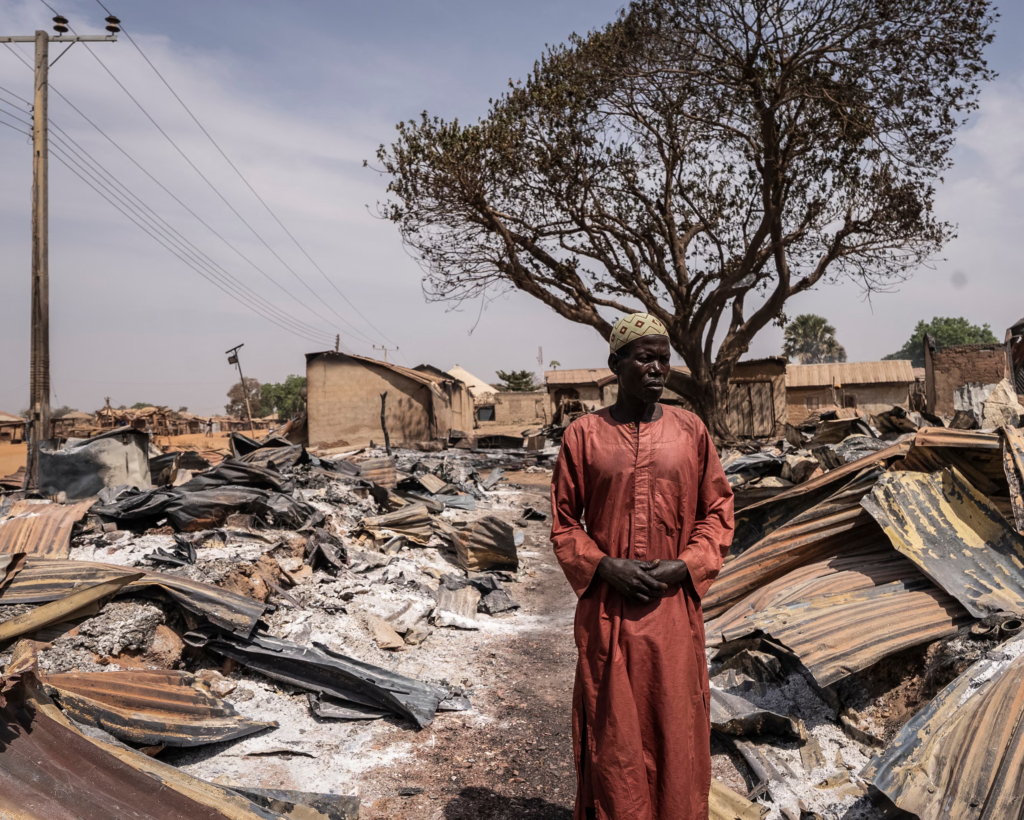
Boko Haram Gunmen Massacre Scores of Villagers in Kwara and Katsina After Sending Letter Asking to Preach
19 sources compared
Boko Haram Gunmen Massacre Villagers in Kwara After Sending Letter Asking to Preach
20 sources compared
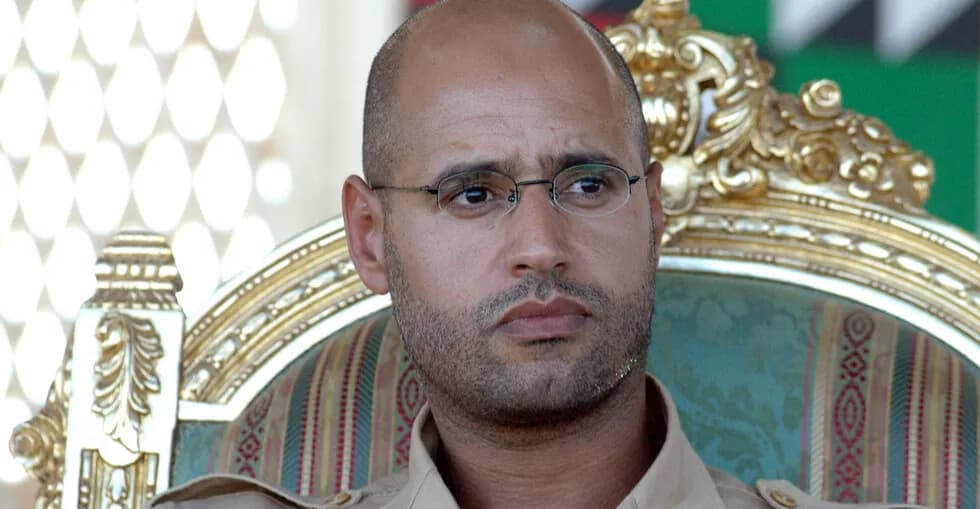
Four Masked Gunmen Assassinate Saif al‑Islam Gaddafi at Zintan Residence
30 sources compared