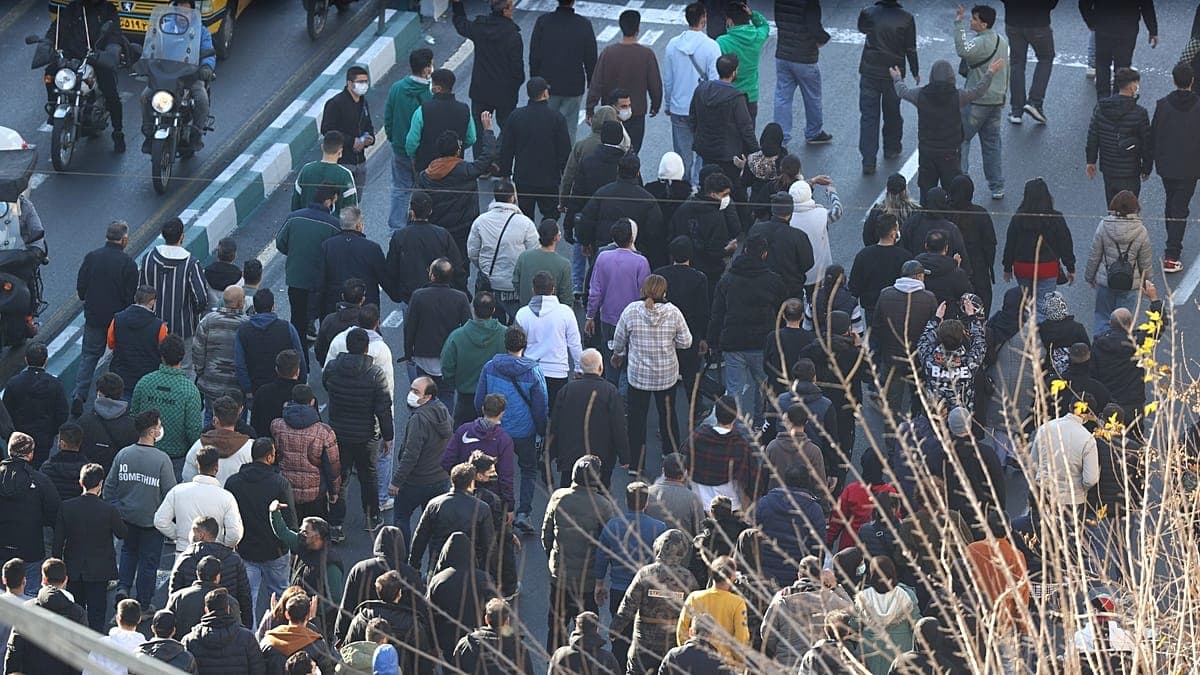
Where will Iran's protests lead? Four scenarios ahead from the perspective of American media.
Key Takeaways
- Protests have spread to more than 70 cities in Iran.
- At least seven people killed, per human rights groups, with security forces intensifying actions.
- Al-Monitor examined four plausible scenarios for the protests' outcomes.
Protests scope and repression pattern
A week has passed since the start of the ongoing protests in Iran, and reports say they have spread to more than 70 cities.
“A week has passed since the start of the ongoing protests in Iran, and according to reports they have spread to more than 70 cities”
Human rights organizations say at least seven people have been killed, and security forces have intensified their actions.
Al-Monitor examined four plausible scenarios for the outcome of these protests.
The report notes that the regime’s response so far mirrors its previous pattern of repression: initial dispersal, targeted arrests, and pressure on those suspected of organizing the protests; as demonstrations intensify, authorities have used tear gas, shotguns, and selective shooting with firearms.
The regime has also carried out harsher measures in Kurdistan and Sistan and Baluchestan, justified under countering separatism.
In Tehran, authorities may try to avoid costly, nationwide violence for now, but videos from cities such as Kermanshah, Marvdasht, and Kohdasht show police firing directly at people.
If protests continue or grow more violent, the government is likely to impose stricter measures, including internet shutdowns, executions, greater involvement of the Revolutionary Guards, and local military encirclements.
Prospects for reform path
Scenario 1: Structural reform.
Some reformist voices opposing regime change advocate moving toward structural changes to reduce tensions: recognizing the protesters' discontent, allowing lawful gatherings under Article 27 of the Constitution, and pursuing economic and political reforms including resuming diplomacy with the West.
However, given the regime’s track record, such reforms seem unlikely to challenge ideological red lines, and small concessions are often tactical and reversible.
Activists warn that without meaningful changes in economic governance, social freedoms, and accountability mechanisms, even minor reforms could be perceived as superficial and might erode public trust or accelerate a move toward collapse.
Long-term unrest scenario
Scenario 2: Protracted and long-lasting unrest.
“A week has passed since the start of the ongoing protests in Iran, and according to reports they have spread to more than 70 cities”
The short-term scenario envisions broad unrest with calculated suppression.
In this model, protests flare in successive waves, security forces contain them at the local level, and the government, while accepting the economic and reputational costs, bets on the protesters' fatigue.
This approach reflects lessons Tehran has learned from cases such as Venezuela.
In that country, if the security institutions remain cohesive and opposition forces are dispersed, even large and durable protests do not necessarily lead to regime change.
Nevertheless, the cumulative pressure is rising.
A combination of inflation, energy shortages, water tensions, sanctions, and lack of political freedoms has emptied the middle class.
Each new wave of protests erodes trust further and increases the likelihood of future unrest and makes containment more difficult.
Foreign influence and potential futures
Scenario 3 and 4: Regime change guided by foreign countries and break, disintegration, or a long transition.
Scenario 3 involves fears that the United States or Israel could act to support Iranian protesters and trigger regime change, a prospect Tehran regards as the most dangerous and potentially war-driving.
President Trump’s remarks about taking action to aid protesters and counter Iran’s programs have intensified these worries.
Direct military action under the cover of supporting protesters could lead to regime change but would likely cause regional instability, while many reformist figures oppose this path and warn that it could cause collapse or prolonged instability.
Scenario 4 contemplates break, disintegration, or a long transition—civil war, disintegration, or a sudden overthrow followed by a democratic transition remain highly hypothetical.
A deep split among opposition groups, lack of unified leadership, and a strong internal security apparatus complicate rapid transformation.
Reza Pahlavi has urged unity and told protesters to seize the streets, arguing that the regime seeks to prevent gatherings in Tehran and that street action could accelerate its downfall.
Yet turning street anger into a coherent political alternative remains a major challenge.
The assessment notes that despite a weakening state, the Islamic Republic retains defensive tools, and domestic protests and external threats form an unstable mix that narrows Tehran's room for maneuver.
Whether protests subside, become a sustained movement, or trigger harsher repression may depend on decisions in the coming days in Tehran's corridors of power and whether Iran's leaders choose dialogue, delay, or force.
But for now the regime is caught between pressure and paralysis, and no clear exit path is visible on the horizon.
More on Iran
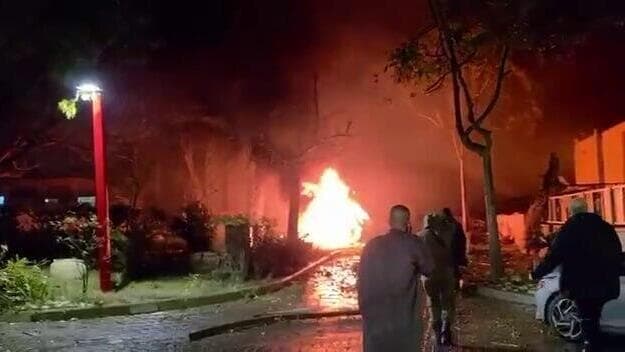
Iranian missiles strike Dimona and Arad, injuring over 100.
47 sources compared
Israel and U.S. Strike Natanz Nuclear Facility Again; Iran Blames Attack
69 sources compared

Iran Attacks Diego Garcia with Long-Range Missiles, Targeting U.S.-UK Base
82 sources compared
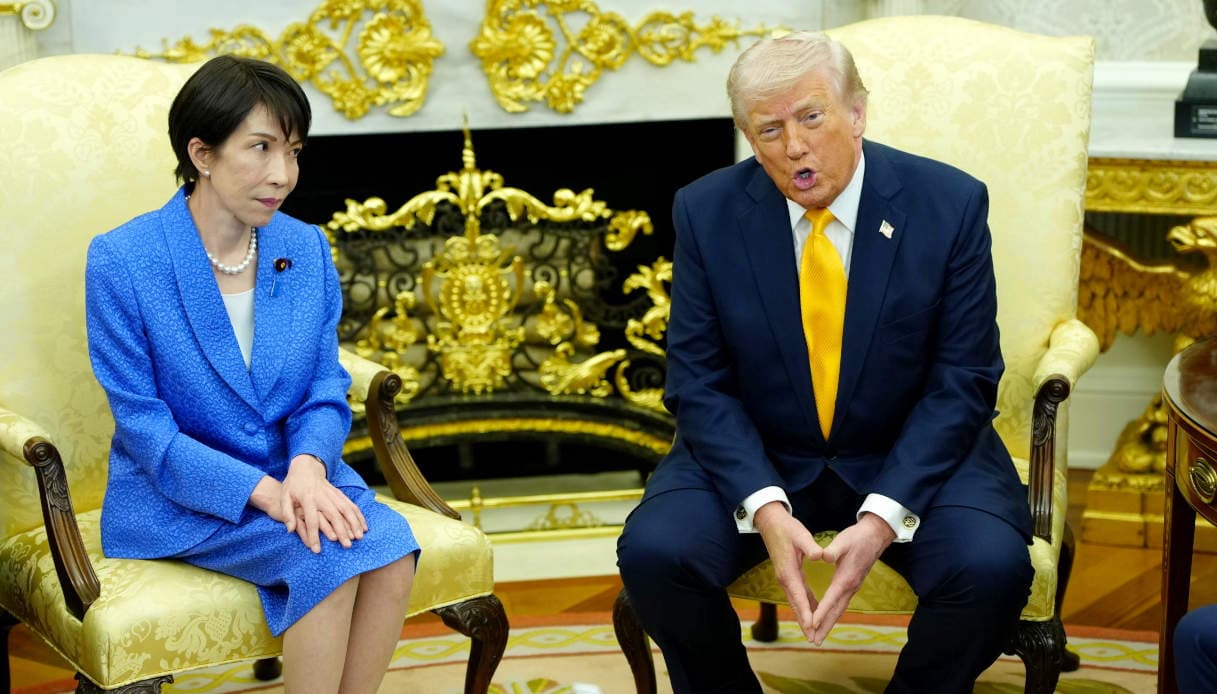
Trump Defends Iran War by Citing Pearl Harbor
12 sources compared