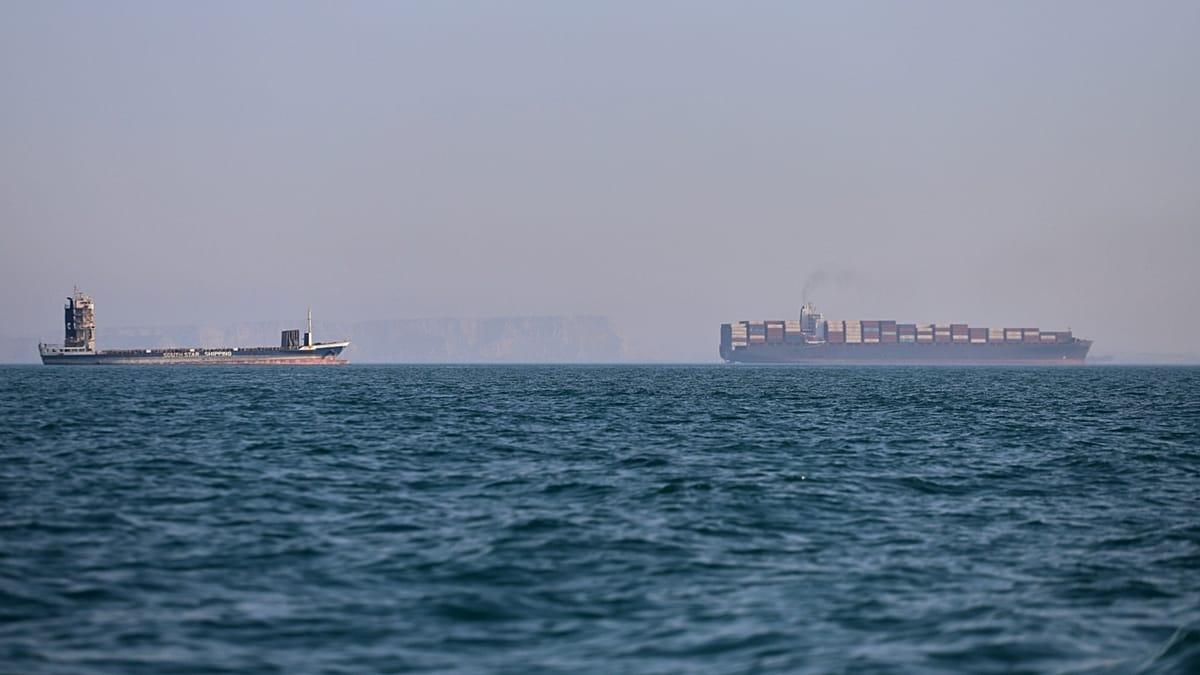
U.S. Launches Retaliatory Strikes on Iran After Attacks on Three Vessels in Strait of Hormuz
Key Takeaways
- U.S. launches strikes on Iran in response to three tanker attacks in Strait of Hormuz.
- U.S. revokes general license permitting Iranian oil sales after Hormuz attacks.
- One tanker caught fire off Oman after being struck.
Strikes after tanker attacks
The U.S. military launched a "series of powerful strikes" on Iran after Iranian attacks on three commercial vessels in the Strait of Hormuz, according to U.S. Central Command, with the earlier strikes targeting tankers trying to transit the strait via a route Iran has warned ships against using.
CBS News reported that the Treasury Department revoked a waiver allowing Iran to sell oil and petrochemicals, and a U.S. official said, "Iran's actions in the Strait were wholly unacceptable to the United States and will be met with consequences."

Iran’s top diplomat said Tehran would not resume negotiations if U.S. threats continue, and the talks were paused while Iran held a weeklong funeral for former Supreme Leader Ayatollah Ali Khamenei, who was killed in a strike on the first day of the war.
Iran’s state TV said explosions were heard on Iran's Qeshm island and on the mainland city of Sirik after the U.S. military announced fresh strikes, while CENTCOM described the Iranian attacks as a "clear violation of the ceasefire."
Qatar, U.S. and Iran trade barbs
Qatar’s Foreign Ministry said the Qatari-flagged vessel al-Rakiyat, a liquefied natural gas tanker, was "passing near" the key waterway when it was struck, and it condemned the attack as a "grave and explicit violation of international law."
In a post on X, Qatar’s Foreign Ministry said it "holds (Iran) fully legally responsible for this attack and any resulting damage or repercussions," while Iran’s semi-official Fars News Agency reported that a Qatari tanker was attacked "after ignoring repeated warnings."
CNN reported that the UK Maritime Trade Operations (UKMTO) said the attack was reported at 9:19 p.m. UTC on Monday, which was 1:19 a.m. Tuesday in the Persian Gulf, and it said the vessel was eight nautical miles east of Limah, Oman, when it was reportedly struck on its port side and igniting a fire.
CNN also reported that Iran’s Foreign Minister Abbas Araghchi warned negotiations on a final deal "will not commence if threats continue," invoking paragraph 13 of the US-Iran memorandum of understanding during the multi-day funeral for Ayatollah Ali Khamenei.
Sanctions and shipping at risk
The U.S. revocation of the oil license followed the attacks on three tankers in the Strait of Hormuz, and USA Today said the Treasury Department revoked permission to sell Iranian oil, jeopardizing the preliminary peace deal between Washington and Tehran.
USA Today reported that the 14-point memorandum signed in June is "entirely performance-based" and that Iran will only reap the benefits if it follows its terms, while it said crude oil prices spiked nearly 6% with Brent crude nearing $76 a barrel.
CNBC reported that a naval coalition led by the U.S. raised the threat level to "severe" after several Iranian attacks on tankers, and it quoted the Joint Maritime Information Center warning mariners that "deliberate hostile action" by Iran is "likely under current conditions."
NPR said the U.S. is eager to press ahead with negotiations aimed at fully reopening the strait, rolling back Tehran's disputed nuclear program, and reaching a permanent end to the war launched Feb. 28, while it noted that in peacetime, "a fifth of all traded oil and natural gas passed through the channel."
More on Iran

Viral AI Fakes Spread as Millions Attend Ayatollah Ali Khamenei’s Funeral in Tehran
18 sources compared
U.S. Launches New Strikes Against Iran After Three Merchant Ships Are Hit In Strait of Hormuz
30 sources compared
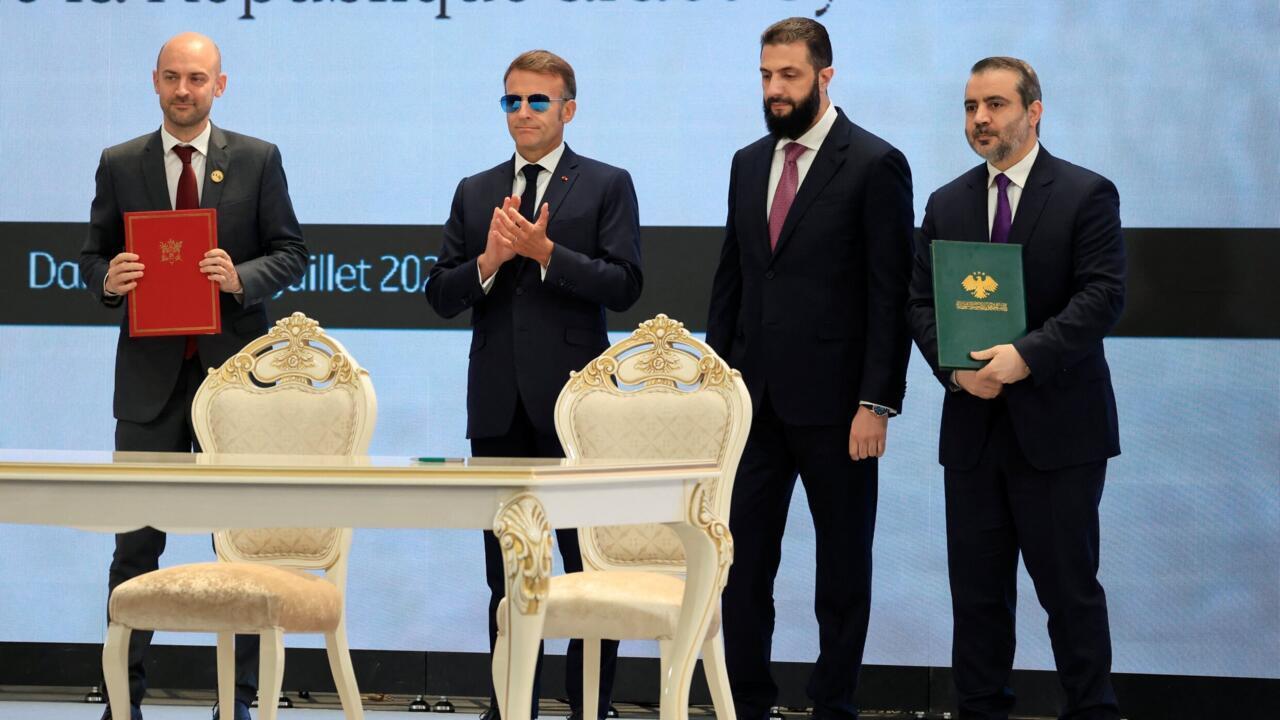
Bombs Hit Damascus Near Four Seasons Hotel During Emmanuel Macron Visit, Wounding 18
21 sources compared
U.S. Launches New Strikes Against Iran After Three Merchant Ships Hit in Strait of Hormuz
21 sources compared