%2Fdepartment-of-communications-(dco)%2Fdigital-social-visual-(dsv)%2Fwho-logo-at-headquarters.tmb-1200v.jpg%3Fsfvrsn%3D34ba81d2_6&w=3840&q=75)
WHO Declares Ebola Public Health Emergency In Democratic Republic Of The Congo And Uganda
Key Takeaways
- Outbreak across DRC and Uganda caused by Bundibugyo virus.
- WHO declared a Public Health Emergency of International Concern.
- At least 80 people have died in the outbreak.
WHO declares PHEIC
The World Health Organization determined that the Ebola disease caused by Bundibugyo virus in the Democratic Republic of the Congo and Uganda constitutes a public health emergency of international concern (PHEIC) under the International Health Regulations (2005), while stating it does not meet the criteria of pandemic emergency.
“A growing Ebola outbreak in the eastern Democratic Republic of the Congo has killed at least 80 people, according to health authorities, prompting regional containment efforts and a U”
In its determination, WHO said that as of 16 May 2026 there were eight laboratory-confirmed cases, 246 suspected cases and 80 suspected deaths reported in Ituri Province across at least three health zones including Bunia, Rwampara and Mongbwalu.

WHO also said two laboratory confirmed cases (including one death) with no apparent link to each other were reported in Kampala, Uganda within 24 hours of each other on 15 and 16 May 2026 among two individuals travelling from the Democratic Republic of the Congo.
The WHO determination cited “eight positives among 13 samples collected” and “confirmation of cases in Kampala” as pointing to a potentially much larger outbreak than currently detected, while also noting that “there are currently no approved Bundibugyo virus-specific therapeutics or vaccines.”
Uganda postpones Martyrs’ Day
The World Health Organization commended President Yoweri Museveni for postponing the annual Martyrs’ Day celebrations, calling it “a critical step in preventing large-scale Ebola transmission.”
WHO Regional Director for Africa Prof. Mohamed Janabi praised the Ugandan government’s decision regarding the faith gathering planned for June 3, saying “this action helps prevent the risk of large-scale transmission among millions.”
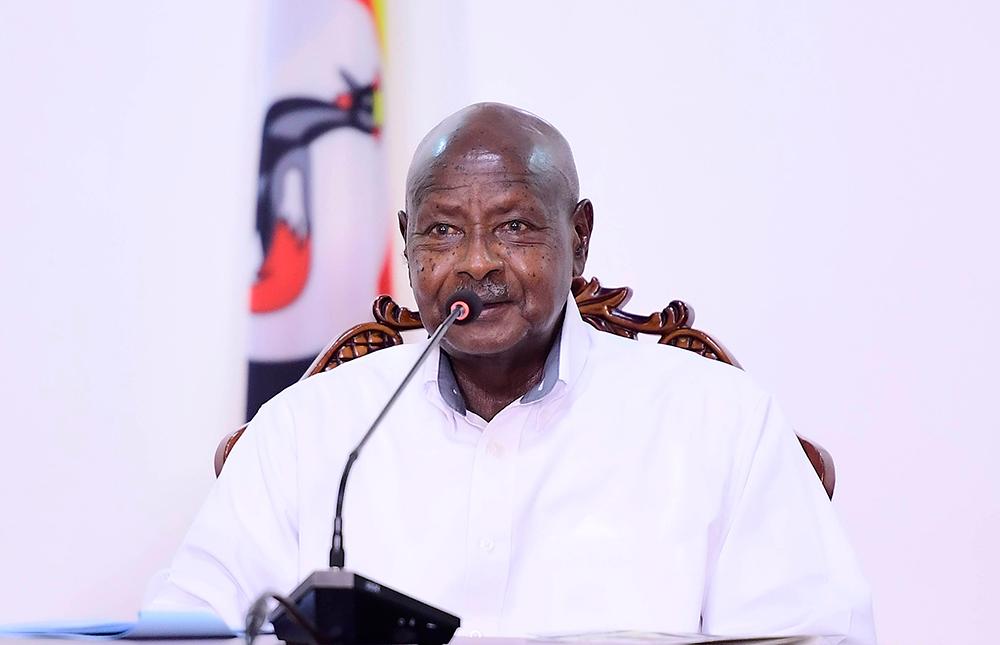
Museveni said the decision was taken because Uganda receives thousands of pilgrims every year from eastern DRC, where Ebola cases and deaths have recently been reported, and he warned that the large movement of pilgrims across borders posed a significant public health risk amid the outbreak.
In the same context, Tedros Adhanom Ghebreyesus posted on his official X account that “We thank the Government of Uganda for their swift action and all precautionary measures to prevent Ebola from spreading further, including the postponement of Martyrs’ Day commemoration.”
Quarantine, response, travel alerts
As part of containment measures, Uganda’s Health Ministry said at least 103 contacts linked to the confirmed cases have been identified and that measures are in place to place them under quarantine and daily monitoring for 21 days.
“The Express Global Desk at indianexpress”
A ministry official said, “We are trying to piece together the process to ensure that the track of these people, too, can actually be seen,” while also stating that the risk of widespread exposure remains low because the patients reportedly travelled using private means rather than public transport.
The WHO determination described the event as requiring international coordination and cooperation to scale up and strengthen operations and ensure ability to implement control measures, and it said the Director-General would convene an Emergency Committee “as soon as possible.”
In parallel, Newsweek reported that the U.S. Embassy in Uganda issued an alert on May 15 warning Americans of the outbreak in Ituri province and urged Americans not to travel there for any reason, citing Ebola activity, insecurity, and the government’s inability to provide emergency services in the area.
More on Technology and Science
Trump Sets Artemis Return To Moon In 2028, Delaying Astronaut Launches
15 sources compared

SpaceX Files for Nasdaq IPO as Elon Musk Controls 85.1% Voting Power
12 sources compared
Three Die in Mountainair After First Responders Exposed to Unidentified Substance
12 sources compared
Western Aid Cuts Leave Democratic Republic of Congo Ebola Response Under-Resourced, Oxfam Says
14 sources compared