Why nobody sounded the alarm: South Africa’s governance crisis exposed
Key Takeaways
- Warnings about South Africa's governance crisis were widespread before crises emerged.
- When crises hit, money disappears, trust collapses, and institutions quietly decay.
- NDPP Advocate Andy Mothibi outlines strategic direction and objectives for the National Prosecuting Authority.
Public cynicism about crises
SOUTH Africans watch scandals like a spectator sport.
“NDPP Advocate Andy Mothibi, is outlining the strategic direction and objectives for the National Prosecuting Authority (NPA)”
Yet when the next crisis hits, nobody is surprised.
The warnings were everywhere.
Reaction to Madlanga warnings
When Advocate Andy Mothibi, the newly appointed National Director of Public Prosecutions, announced his office was “watching with keen interest” the Madlanga Commission proceedings, it felt painfully familiar.
Another investigation.
Another public drama.
But the question isn’t what the commission has uncovered so far; it’s why the alarms weren’t sounded years ago.
Madlanga findings and threats
The Madlanga Commission, now extended to May 2026 for its interim report and August 2026 for the final report, has already revealed patterns of corruption, police interference, and political manipulation.
“NDPP Advocate Andy Mothibi, is outlining the strategic direction and objectives for the National Prosecuting Authority (NPA)”
Witnesses have faced real threats; one was murdered, another survived an attack.
Yet even as these dangers emerged, our institutions were mostly reactive.
The system only acts after the fire starts.
Historical governance patterns
South Africa has a long history of catching crises after they explode and calling it governance.
During State Capture, red flags littered the landscape: procurement irregularities, questionable financial relationships, internal warnings about weakening institutions, whistleblowers sounding alarms, and auditors documenting misconduct.
And what did the system do?
Almost nothing. By the time formal inquiries began, the damage to finances, credibility, and public trust was irreversible.
More on Africa

Somaliland Offers US Exclusive Access to Minerals and Military Bases to Win Recognition
10 sources compared
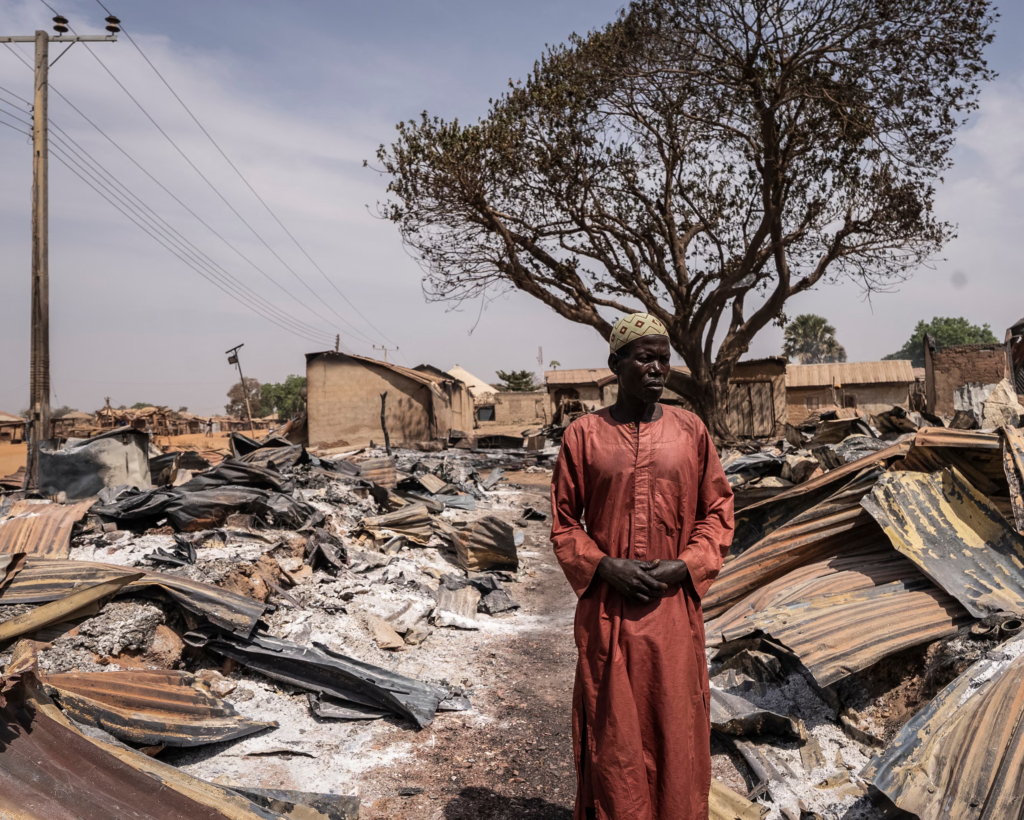
Boko Haram Gunmen Massacre Scores of Villagers in Kwara and Katsina After Sending Letter Asking to Preach
19 sources compared
Boko Haram Gunmen Massacre Villagers in Kwara After Sending Letter Asking to Preach
20 sources compared
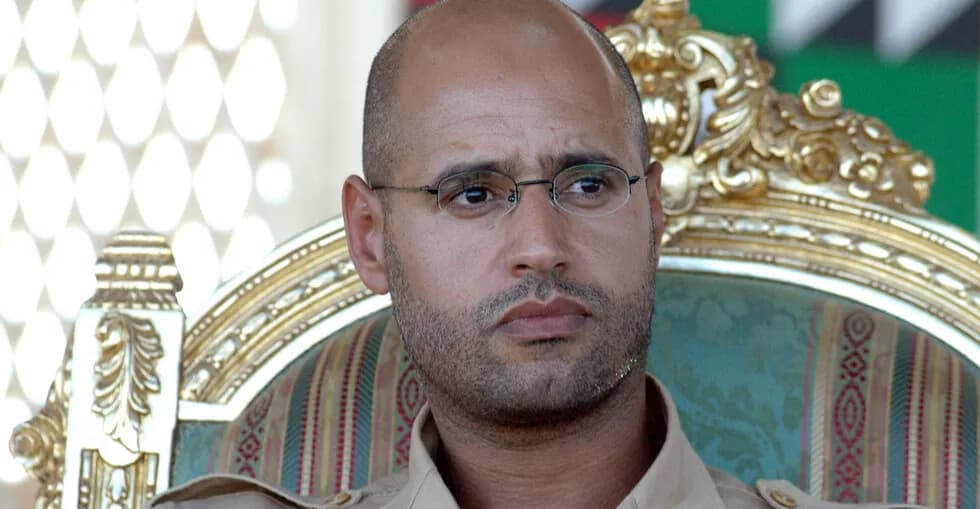
Four Masked Gunmen Assassinate Saif al‑Islam Gaddafi at Zintan Residence
30 sources compared