USA01 December, 20252 min read
Winter Storm Drops Record 8.4 Inches at O'Hare, Strands Millions and Triggers 1,500 Flight Cancellations
This article is an automated aggregation of coverage from news outlets. Our editorials offer in-depth analysis curated by the NewsCord team.
O'Hare recorded 8.4 inches of snow, a single-day November record Chicago airports canceled over 1,500 flights, leaving thousands of travelers stranded

8 outlets told this the same way.
Chicago November snowstorm impacts
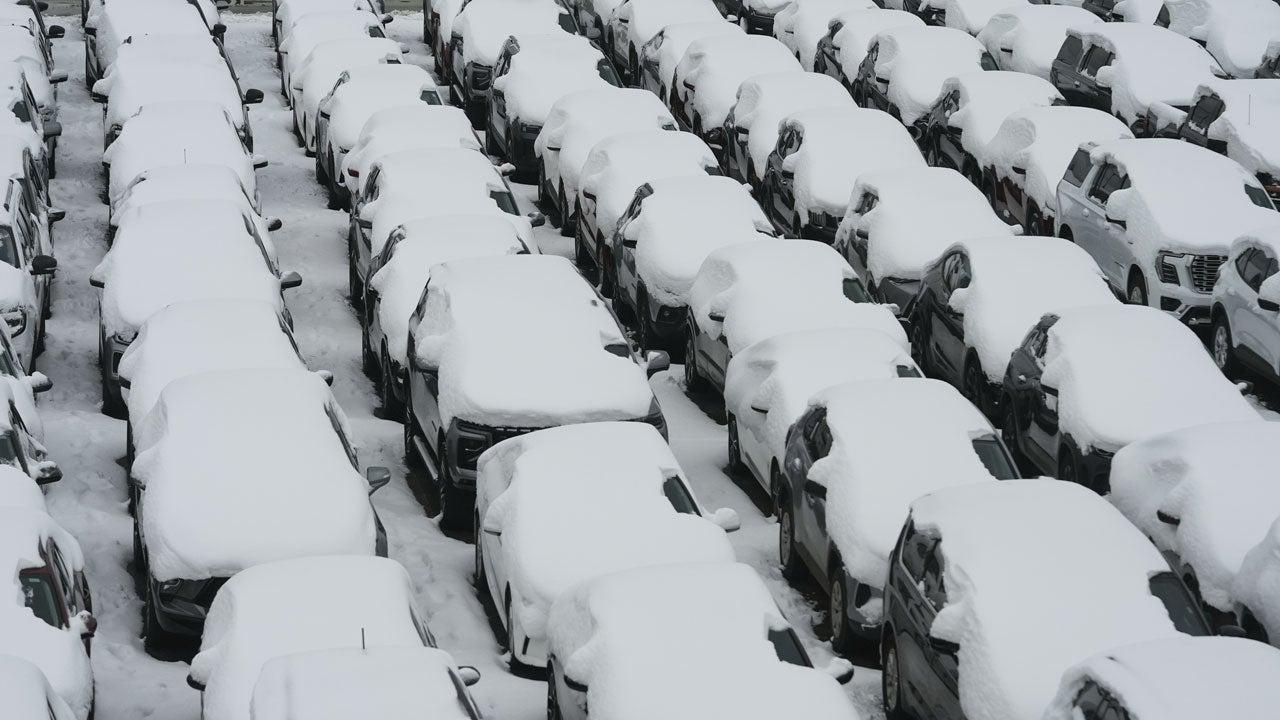
A strong early-season winter storm dumped a record 8.4 inches of snow at Chicago's O'Hare International Airport, breaking the single-day November mark set on Nov. 6, 1951.
“Chicago received 8.4 inches of snow on Sunday — the most ever recorded in November there, topping the previous 8.0-inch November record from Nov. 6, 1951.”
The storm occurred during the busy post-Thanksgiving travel period and produced widespread disruption.
Outlets report thousands of travelers were affected by FAA ground stops, with large numbers of flight cancellations and delays at both O'Hare and Midway as crews worked for hours to clear runways and roads.
Sources differ on exact cancellation totals, but they uniformly describe severe impacts on passengers and airport operations during the historically busy travel day.
Thanksgiving travel disruption
The storm’s timing — the busy Sunday after Thanksgiving — intensified travel chaos. Flight-tracking services and airport systems logged hundreds to thousands of delays. FAA ground stops and de-icing operations were reported at multiple hubs.
Several outlets described passengers stranded in crowded terminals while crews cleared runways. Some reports noted software issues at airlines or systems that amplified the weather-related disruption.
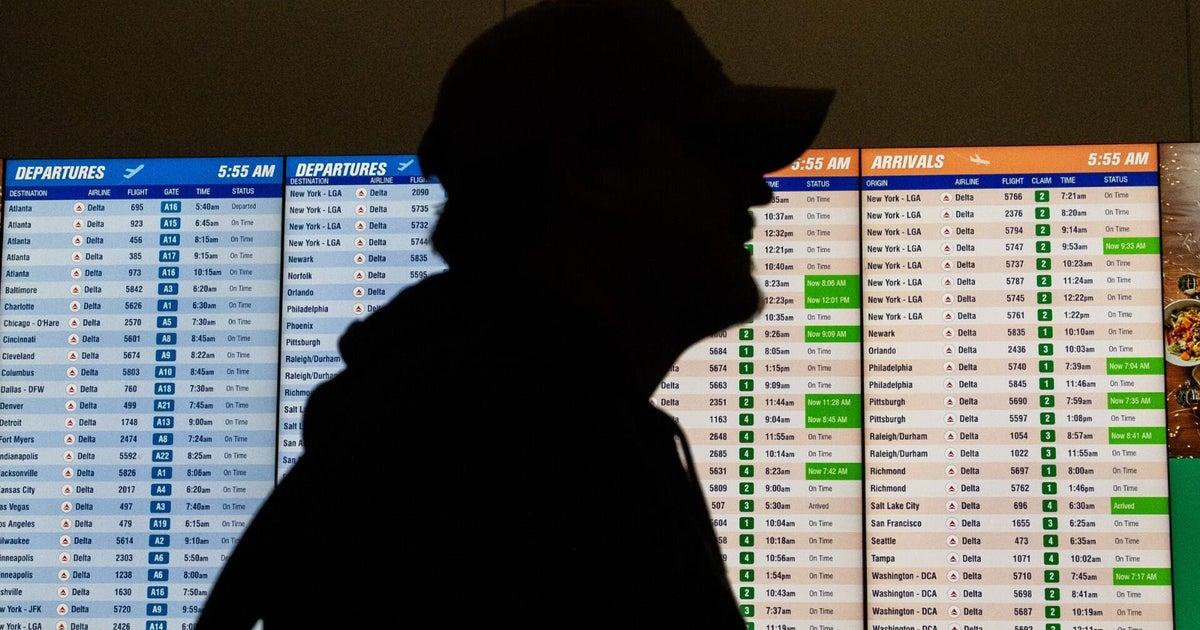
Local crews and airport staff worked for hours to restore operations. A handful of travelers still managed to depart despite the chaos.
Great Lakes winter storm impacts
The storm brought heavy snow not just to Chicago but across the broader Great Lakes and Midwest region. Some localities reported more than a foot of snow, with the Associated Press noting Fort Dodge reported over 16 inches. The Weather Channel said nearby Lake Michigan shore areas saw more than 12 inches.
“Parts of the region saw more than a foot of snow (Fort Dodge reported over 16 inches), western Michigan churches urged people to stay home, and Wisconsin utilities worked to restore thousands of outages.”
Travel And Tour World and the Associated Press highlighted impacts beyond airports, noting icy interstates produced accidents and highway delays. Utilities in states like Wisconsin worked to restore thousands of outages, and western Michigan communities urged residents to stay home.
Post-Thanksgiving travel chaos
News outlets repeatedly emphasize holiday travel context and the human story, describing the Sunday after Thanksgiving as historically busy with millions passing through major hubs and many travelers facing long waits or cancelled plans. The Daily Express underscores the scale at the two Chicago airports, noting that about three million people travel through the two airports and that TSA expected one of its largest days ever.
CBS frames the situation as a "perfect storm" of weather and record traveler numbers that produced ripple effects across the nation. Zoom Bangla and tabloid coverage emphasize chaotic scenes — flooded terminals, overwhelmed lanes, and stranded passengers — portraying a dramatic, human-centered disruption.

Airport winter storm response
Officials and airport crews mobilized to clear runways and run de-icing operations. Forecasters warned that snow was tapering in the Great Lakes but a new system was approaching the mid-Atlantic and Northeast.
“Forecasters said snow was tapering in the Great Lakes but a new storm was headed for the mid-Atlantic and Northeast, bringing up to a foot in some places.”
Several sources describe immediate operational responses, including de-icing at Reagan National and Minneapolis–Saint Paul, FAA ground stops, and crews clearing roads. Some outlets suggest the episode will prompt reviews of contingency planning and crisis management at airports and security agencies.