Ukraine War22 October, 20253 min read
World Court Orders Israel to End Blockade and Allow UN Aid into Gaza Amid Genocide
The International Court of Justice ruled Israel must allow UNRWA to deliver humanitarian aid to Gaza. Israel’s blockade and ban on UNRWA operations have severely restricted aid and inadequately supplied Gaza.
44 outlets told this the same way.
Outlets did split on Russian Attack Kills At Least 33 On Two Buses In Kramatorsk →
ICJ Ruling on Gaza Humanitarian Access
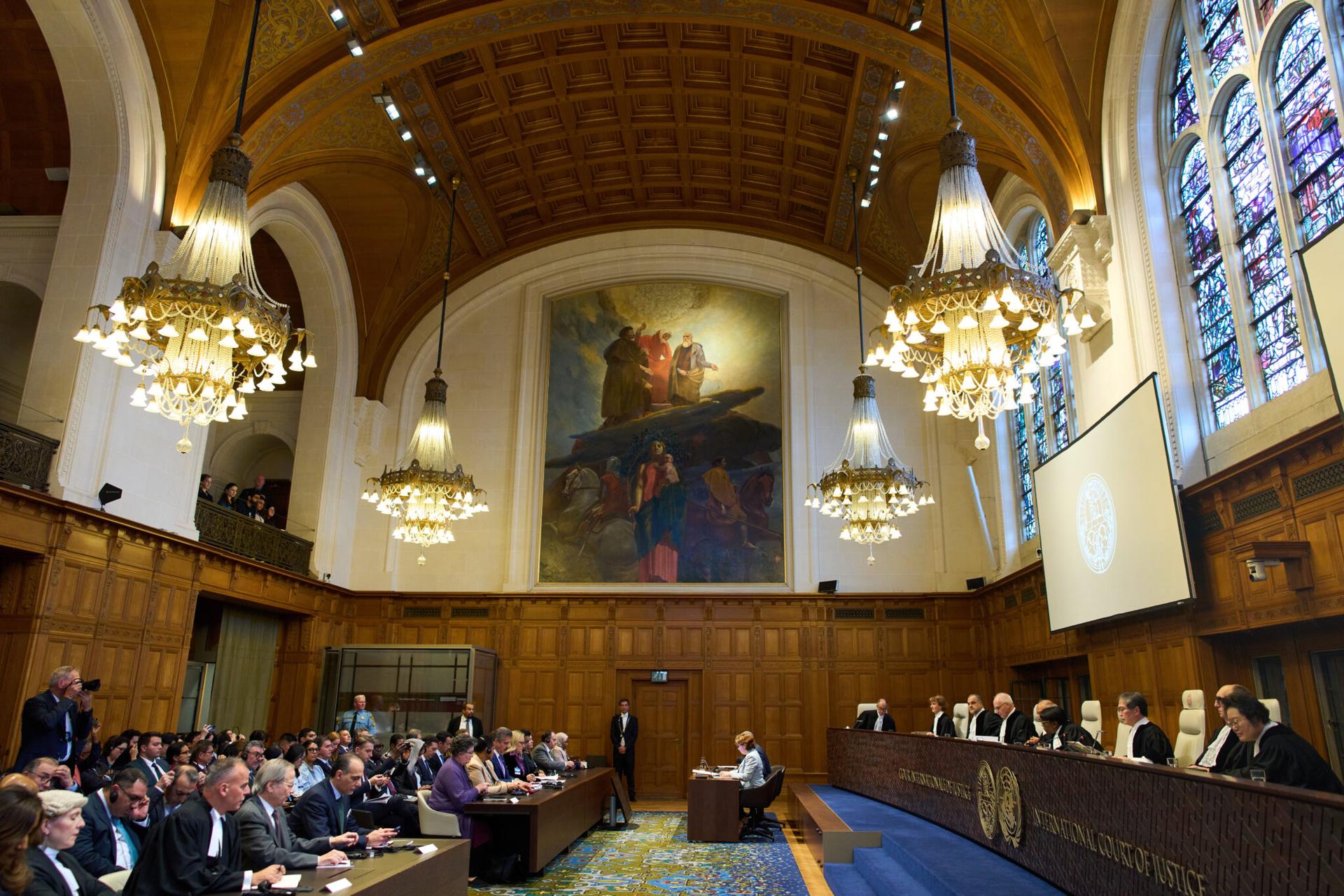
The International Court of Justice (ICJ) issued an advisory opinion that Israel, as the occupying power, must permit and facilitate United Nations humanitarian operations in Gaza, including UNRWA. The court also stated that Israel must not use starvation as a method of warfare. Presiding Judge Yuji Iwasawa emphasized Israel’s responsibility to ensure access to essentials such as food, water, and medicine.
“The International Court of Justice (ICJ) has ruled that Israel must permit the UN aid agency UNRWA to deliver humanitarian assistance to Gaza, highlighting the risk of famine and Israel’s legal obligations under international law.”
This opinion was requested by the UN General Assembly amid a fragile U.S.-brokered ceasefire. Several media outlets highlight the legal foundations of the ruling, with some focusing on international humanitarian law and the Geneva Conventions. Others stress the court’s finding that Israel failed to substantiate claims that UNRWA is non-neutral or infiltrated.
The ruling notes the risk of famine following Israel’s effective ban on UNRWA operations. This decision is situated within the broader conflict that escalated after October 7, 2023.
UNRWA Legal Dispute Overview
Israel rejected the advisory opinion as biased and maintained security concerns. The UN Secretary-General welcomed the decision and urged compliance. Several outlets report the court dismissed Israel’s assertions about UNRWA.
The court found no evidence of staff links to militant groups, discrimination, or violations of impartiality rules. Local and alternative outlets note that UNRWA has thousands of trucks ready but blocked.

The ruling effectively overturns recent Israeli laws that banned or limited UNRWA operations. Overall, the media diverge on whether the opinion compels immediate change or merely adds legal pressure.
Gaza Aid and Ceasefire Challenges
Humanitarian conditions frame the ruling under a U.S.-mediated ceasefire. Under this agreement, 600 aid trucks are meant to enter Gaza daily, yet food deliveries remain inadequate and famine has been reported after a three-month Israeli aid ban. Radio-Canada and ThePrint detail the 600 trucks provision and present competing claims that Hamas steals aid versus critics blaming Israel’s restrictions and the UNRWA ban.
“Under the ceasefire agreement, 600 humanitarian aid trucks are to enter Gaza daily... a prior three-month Israeli ban on aid... led to food shortages and famine in some areas.”
Al Jazeera cites the World Food Programme noting increases in aid that are still insufficient. The South China Morning Post situates the opinion within a fragile ceasefire that began on October 10. Radio-Canada adds that aid distribution was shifted to a U.S.-backed Gaza Humanitarian Foundation that has since suspended operations, reducing capacity on the ground.
Legal Actions on Gaza Conflict
The decision unfolds alongside overlapping legal tracks involving multiple international bodies. Media report ICC arrest warrants for Israeli leaders over aid restrictions and genocide accusations in separate proceedings. There are also broader findings concerning the occupation.
WTOP emphasizes that the ICJ opinion is distinct from South Africa’s genocide case. Al Jazeera notes ongoing investigations into alleged genocide. United News of Bangladesh and The Financial Express report that the ICJ condemned the use of starvation as a method of warfare.
This condemnation reinforces legal challenges against Prime Minister Netanyahu. The Guardian highlights the severity by reporting U.S. senators’ accusations of a plan to destroy and ethnically cleanse Palestinians. The use of food as a weapon is also reported as part of these accusations.
Legal and Diplomatic Responses to Aid Blockade
What happens next is contested across sources. Several describe the opinion as non-binding but influential, saying it adds diplomatic and legal pressure on Israel to relax its blockade and remove legal barriers to UNRWA. Others emphasize hard law: obligations under the Geneva Convention and Article 59 to allow and facilitate aid, and findings that Israel cannot block aid on security grounds.
“Although the opinion holds significant legal and political weight, it is non-binding and cannot be enforced.”
Local outlets stress the ruling responds to or overturns Israeli laws that limited or banned UNRWA operations. Mainstream outlets note Israel’s refusal to cooperate while the UN urges compliance.
