
WTO Warns Global Trade Growth Will Slow in 2026 Amid Iran War
Key Takeaways
- Global trade growth to slow in 2026 due to Middle East energy prices.
- AI-related demand boosted rebound in 2025, but risks from war could dampen 2026.
- War-related energy costs expected to weigh on the global economy.
Global Trade Outlook
The World Trade Organization has issued a stark warning that global trade growth will significantly slow in 2026.
“By experts and staff - Published Welcome to the Daily News Brief, CFR’s flagship morning newsletter summarizing the top global news and analysis of the day”
This warning reflects broader economic uncertainties exacerbated by geopolitical tensions worldwide.

Despite facing Trump's protectionist policies that raised US tariffs to decades-high levels, world trade in goods expanded by a robust 4.6% in 2025.
This expansion was largely driven by strong export performance from Asian economies.
However, the WTO now projects this growth rate will slow sharply to just 1.9% in 2026.
This signals a dramatic deceleration in international commerce.
The outlook reflects a two-speed global economy with diverging performance across sectors.
Iran War Impact
The Iran war has emerged as a critical factor threatening global economic stability and trade growth.
The WTO specifically identified risks tilted toward the downside due to escalating Middle East tensions.

The organization warned that a prolonged period of high energy prices could knock an additional 0.5% off goods trade growth in 2026.
This would directly impact the already reduced 1.9% forecast for global trade growth.
The energy shock comes at a vulnerable time as the Gulf region serves as a major exporter of both energy and fertilizers.
These exports create ripple effects that could jeopardize global food security.
The situation is complicated by complex geopolitical maneuvers involving the U.S. government.
Regional Economic Impacts
Different regions face dramatically varying economic consequences from ongoing geopolitical tensions.
“By experts and staff - Published Welcome to the Daily News Brief, CFR’s flagship morning newsletter summarizing the top global news and analysis of the day”
Some Gulf states are particularly vulnerable to extended conflict in the region.
According to economic projections, if the Iran war continues through April, Kuwait and Qatar could see their GDP shrink by 14% this year.
Saudi Arabia and the United Arab Emirates face GDP reductions of approximately 3% and 5% respectively.
These projections have been underscored by real-world events including recent attacks on energy infrastructure.
An Iranian strike on a major Qatari gas facility knocked out around 17% of the country's LNG export capacity.
Europe, as a heavy energy importer, would face similar impacts with potential GDP growth reduction of at least one percent.
Tech vs Traditional Trade
The current global trade landscape reveals a fundamental divergence between technology-driven sectors and traditional trade industries.
This creates a complex economic environment requiring strategic adaptation.
High-tech sectors, particularly artificial intelligence, continue to demonstrate strong growth.
This suggests future trade expansion will increasingly depend on technological advancement.
Traditional goods exchange faces greater uncertainty due to geopolitical tensions.
This shift highlights the need for resilient supply chains.
Supply chains must navigate an increasingly uncertain trade environment.
Geopolitical stability, energy markets, and innovation in emerging technologies will determine economic success.
The WTO's warning underscores the need for coordinated global responses to these challenges.
WTO Relevance Challenges
The World Trade Organization's ability to influence global trade policy faces significant challenges.
“By experts and staff - Published Welcome to the Daily News Brief, CFR’s flagship morning newsletter summarizing the top global news and analysis of the day”
These challenges are particularly acute under Trump's second term characterized by unilateral tariff actions.
The organization has struggled to maintain its relevance in the current political climate.
The U.S. president has implemented protectionist measures regardless of WTO rules.
Rival economies have broken their own commitments in securing deals with Washington.
This erosion of multilateral cooperation complicates efforts to address the trade slowdown.
The geopolitical risks identified in the 2026 forecast become harder to manage.
Seven U.S. allies have pledged to help ensure safe passage through the Strait of Hormuz.
Their specific contributions remain undefined, highlighting fragmented international responses.
More on Iran
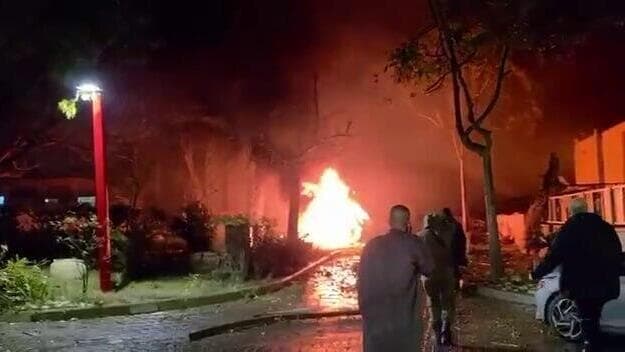
Iranian missiles strike Dimona and Arad, injuring over 100.
47 sources compared
Israel and U.S. Strike Natanz Nuclear Facility Again; Iran Blames Attack
69 sources compared

Iran Attacks Diego Garcia with Long-Range Missiles, Targeting U.S.-UK Base
82 sources compared
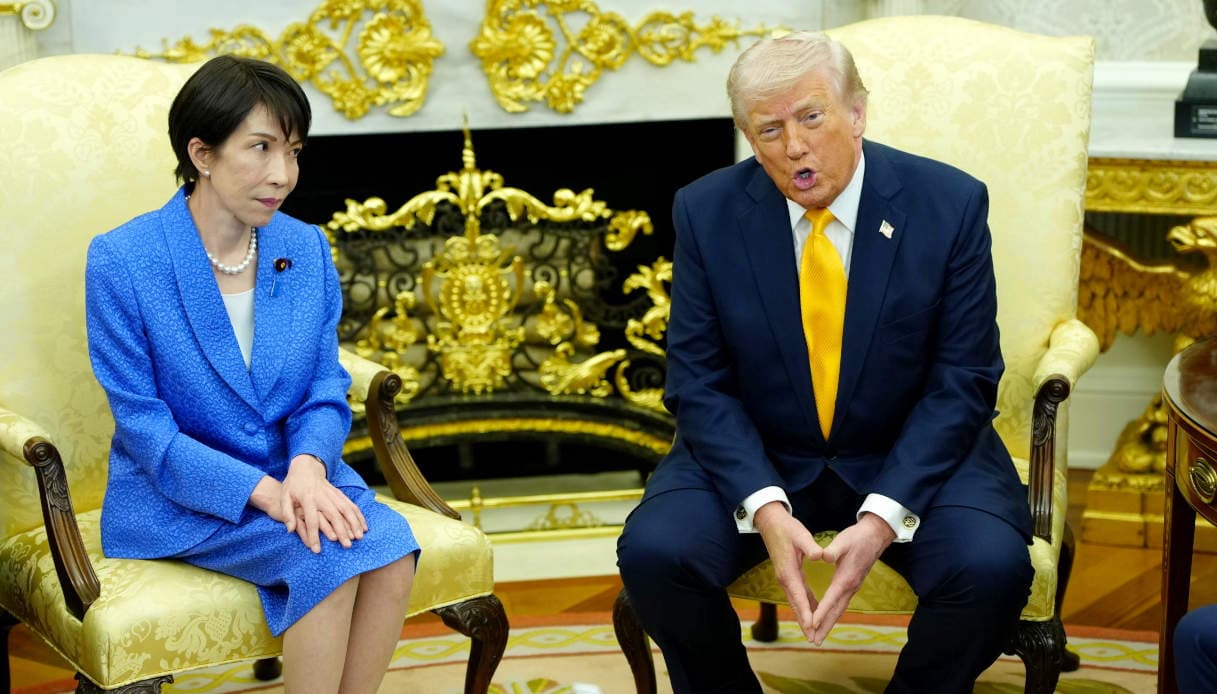
Trump Defends Iran War by Citing Pearl Harbor
12 sources compared