Xi Jinping Calls To Reopen Strait Of Hormuz, Contrasting China With US During Iran War
Key Takeaways
- Trump says U.S. victory and dismisses Iran deal significance.
- Strait of Hormuz highlighted as central flashpoint in Iran war coverage.
- Xi Jinping urged reopening the Strait of Hormuz and peaceful resolution.
Xi’s Hormuz call
China’s position in the Iran war has been on display through President Xi Jinping’s call for the reopening of the Strait of Hormuz, with Beijing presenting its approach as distinct from the United States.
“As Chinese President Xi Jinping called for the reopening of the Strait of Hormuz this week, the pragmatic approach Beijing has taken to the US-Israel war on Iran was on full display”
Al Jazeera reports that Xi spoke by phone on Monday with Saudi Arabia’s Crown Prince Mohammed bin Salman (MBS), reiterating China’s support for “all efforts conducive to restoring peace and stands for resolving disputes through political and diplomatic means”.

In the same call, Xi said, “The Strait of Hormuz should maintain normal passage, as this serves the common interests of regional countries and the international community,” according to a Chinese readout of the call.
Al Jazeera adds that the readout did not specifically mention any of the key players in the war, even as the United States and Iran have, between them, brought the strategic waterway to a standstill for the past seven weeks.
The article ties the escalation to specific dates, saying Iran moved to close the strait to most marine traffic following the launch of the war on February 28, while the US launched a blockade of all Iranian ports on April 13.
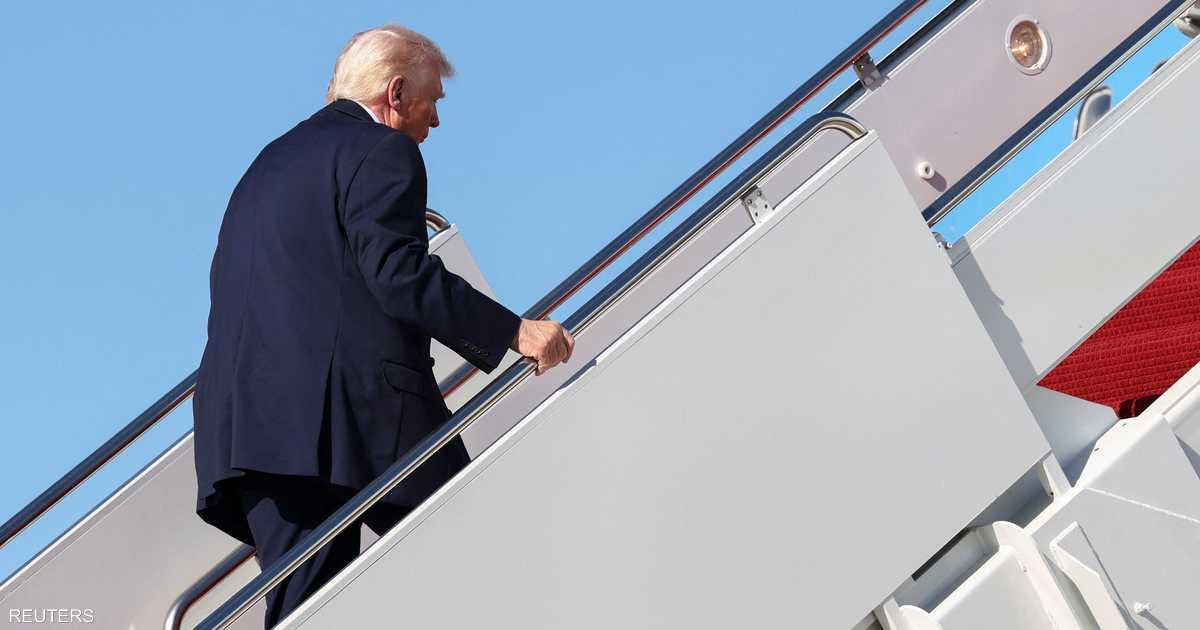
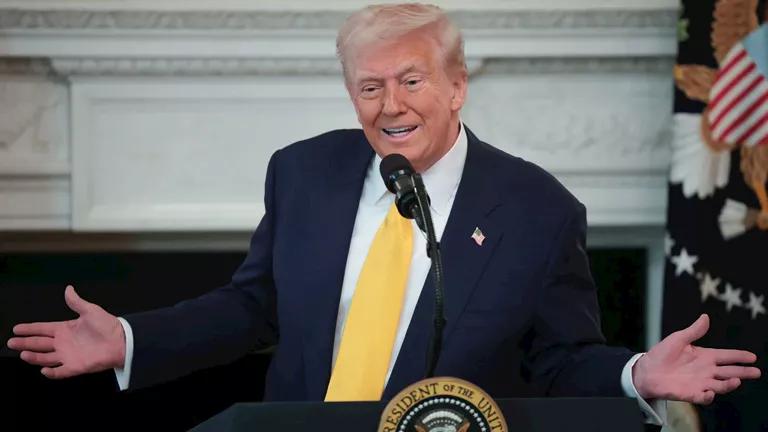
Against that backdrop, Al Jazeera contrasts Xi’s statements with US President Donald Trump’s social media message the same day declaring, “I’m winning a War, BY A LOT, things are going very well”.
Al Jazeera also frames Xi’s measured stance as part of a broader pattern in which Beijing prefers to stay “in the background rather than out front and centre,” while still positioning itself as a responsible actor.
Beijing’s balancing act
Al Jazeera says China’s ability to present itself as a “voice of reason” rests on its longstanding policy of “noninterference” and its working relationship with all players in the war on Iran.
The article quotes Gedaliah Afterman, head of the Asia-Israel policy programme at the Abba Eban Institute for Diplomacy and Foreign Relations, saying, “China is gaining not by doing any dramatic moves but waiting and seeing and using opportunities as they come to position, and letting the Americans deal with the mess,”.
It also points to China’s economic ties with Iran, stating that China is Iran’s largest trade partner and buys up to 90 percent of its oil, citing the US-China Economic and Security Commission.
Al Jazeera adds that in 2021 China signed a 25-year “comprehensive strategic partnership agreement” with Tehran, and it links that relationship to Beijing’s broader regional outreach.
The same article says Beijing has spent the past decade cultivating closer ties with Gulf countries, including Saudi Arabia, Qatar, and the United Arab Emirates, and that it remains a top trade partner of both the US and Israel.
To capture the diplomatic posture, Al Jazeera quotes Ma Xiaolin, dean of the Mediterranean Rim Institute at Zhejiang International Studies University, saying, “China keeps good relations with the US, Israel, Iran and the Gulf Arab states. All those countries are our friends, even if they are enemies,”.
The article also describes how China’s nonintervention has shaped its actions at the United Nations, saying it vetoed an earlier UN Security Council resolution calling for members to “coordinate efforts, defensive in nature” to reopen the Strait of Hormuz.
Trump’s victory framing
While Al Jazeera emphasizes China’s diplomatic and economic balancing, two other outlets report Donald Trump’s own framing of the Iran conflict as a US-led military success and a matter of indifference to deal-making.
Masrawy reports that Trump told reporters at the White House on Saturday that the Iranians may reach an agreement or they may not, but “regardless of what happens we are victorious.”
In the same account, Trump said the United States has militarily defeated Iran, noting that they planted naval mines, and he added that the United States has mine-clearing ships in the Strait of Hormuz and is sweeping it.
Masrawy further states that Trump indicated that the U.S. military destroyed the Iranian navy and that the United States defeated the Iranian navy and destroyed 150 of their ships.
Masrawy also reports that Trump warned China against supplying weapons to Iran, saying you will face big problems if you ship weapons to Iran.
סקاي نيوز عربية likewise quotes Trump saying, “Whether we reach an agreement or not, it makes no difference to me, and the reason is that we won.”
That outlet also repeats Trump’s description that “We have mine-sweepers there (the Strait of Hormuz), and we are sweeping the strait. Perhaps they have a few mines in the waters.”
Calls, vetoes, and risk
Al Jazeera describes China’s diplomatic activity as both extensive and carefully calibrated, citing the Ministry of Foreign Affairs for phone diplomacy and naming specific Chinese officials.
It says China’s top diplomat Wang Yi made 26 phone calls between February 28 and the lead-up to the Iran-US ceasefire on April 8, according to the Ministry of Foreign Affairs.
The article also says Zhai Jun, its special envoy to the Middle East, held nearly two dozen meetings with key players, linking those efforts to Beijing’s attempt to leverage its “friend to all” posture.
Al Jazeera then connects China’s restraint to the strategic and economic stakes of the strait, quoting Feng Chucheng, founding partner of the Beijing-based Hutong Research, that further escalation in the war “would threaten China’s economic and energy security to a degree that could force direct involvement, given that more than 40 percent of its crude oil imports originate from the Middle East”.
Feng’s research note to clients, as quoted by Al Jazeera, adds that “From Beijing’s perspective, such entanglement would risk derailing its effort to maintain a delicate balance between Iran and the Gulf states,”.
The article also quotes Chang Ching, senior research fellow at the Society for Strategic Studies in Taipei, saying, “They expect peace and stability. They are not really concerned with who wins the conflict. Their wish is to try to restore the peaceful environment in the Middle East, particularly around the Strait of Hormuz,”.
In parallel, Al Jazeera notes that China’s nonintervention was likely a key reason it vetoed the UN Security Council resolution calling for “coordinate efforts, defensive in nature” to reopen the Strait of Hormuz.
More on China
Trump Extends U.S.-Iran Ceasefire Indefinitely After Iran Misses Talks in Islamabad
21 sources compared

Baroness Jacqui Smith Moves To Make Phone Bans Statutory In England Schools
10 sources compared

Mark Carney Rejects Trump Team “Entry Fee” Demands Before USMCA Talks
10 sources compared
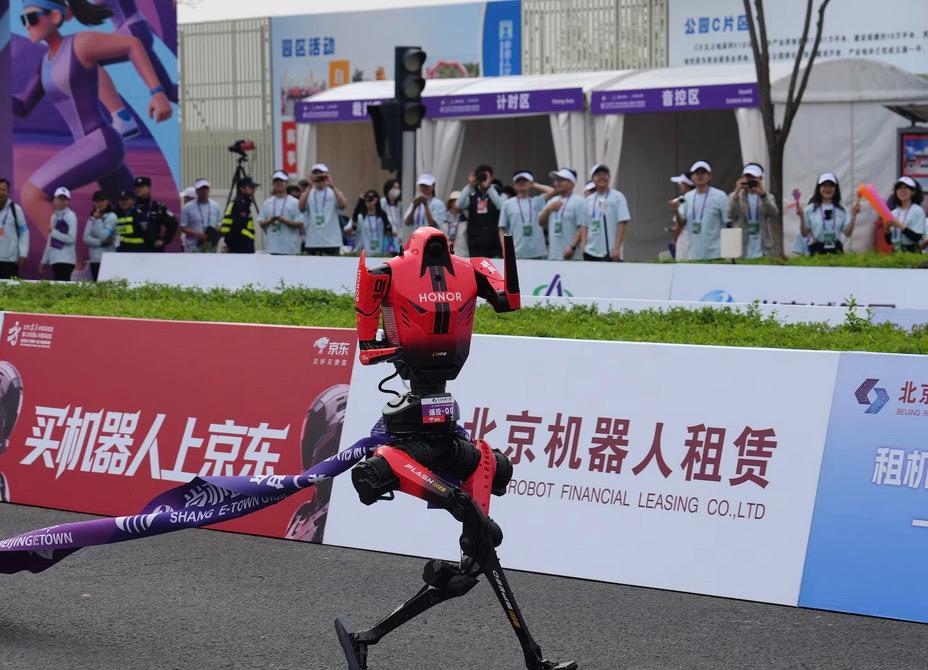
Honor Robot Wins Beijing Half-Marathon, Beating Jacob Kiplimo’s World Record
15 sources compared