Gaza Genocide · 02 July, 2026 · 3 min read
Yair Lapid Warns Israel’s Foreign Relations Will Fade After U.S.-Iran Deal Rejection
Lapid warned foreign relations will erode if the government is not replaced. He cited U.S. and EU criticisms after rejecting the U.S.-Iran deal.
Israel-Human rights dispute: EU suspension vs pragmatic restraint.
6 of 8 outlets skipped it: EU debates suspending the EU-Israel association agreement..
14outlets compared
Same story, two versions
tap a side to read it in full
Business AM
“pragmatic economic and political alliances over a moralizing foreign policy”Read the original ↗
Shows split EU approach between legal pressure and strategic pragmatism.
Diplomatic rifts widen
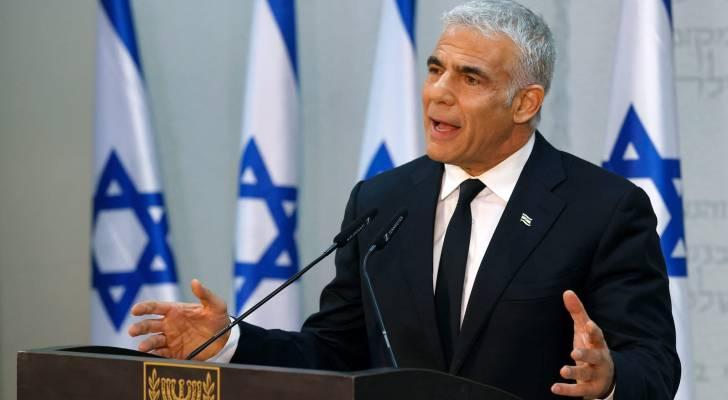
Israeli opposition leader Yair Lapid warned that “If we do not replace this government quickly, Israel’s foreign relations will fade away,” tying the deterioration to Israel’s rejection of the American-Iranian agreement aimed at ending the war.
“If we do not replace this government quickly, Israel’s foreign relations will be erased.”
Lapid said that during the past 24 hours U.S. Vice President J.D. Vance expressed anger at a press conference involving ministers Betzalel Smotrich and Itamar Ben-Gvir, and that Foreign Minister Gideon Saar cut relations with EU foreign policy chief Kaya Kalas.

In parallel, the same dispute over Israel’s Gaza and West Bank policies fed into EU-level pressure, with Euronews reporting that Spain’s Pedro Sánchez called on Sunday to terminate the EU-Israel association agreement, accusing Israel of violating international law.E
Euronews also quoted Kaja Kallas saying that full suspension requires a “unified position” from EU countries, while noting that Germany and Italy had opposed the initiative in the past and had not changed their position.E
The diplomatic tension is framed as part of a broader contest over how Israel’s actions affect its standing with the United States and the European Union, as Lapid linked the crisis to public criticisms by Vance and remarks by Donald Trump accusing Netanyahu of “irresponsibility” in Lebanon.
Opposition, Gaza, and pressure
A separate account of the same political fight quotes Lapid warning of a “complete collapse” in Israel’s foreign relations as U.S. Vice President J. D. Vance criticized Itamar Ben‑Gvir and Bezalel Smotrich over their opposition to the American deal with Iran.
In that reporting, Vance’s critique was captured in a recorded interview: “You are a country of nine million people, and you cannot simply rely on killing to solve every national security problem you face.”
The same source says Lapid also pointed to Gideon Saar cutting ties with Kaja Kallas after she criticized the occupation and compared West Bank policies to apartheid, while Kallas replied that Israeli settlements are illegal and undermine prospects for a two-state solution.
Meanwhile, Euronews described how Spain’s call to suspend the EU-Israel agreement is “far from achieving the unified position needed,” with diplomats telling the outlet that there is no broad consensus among member states to suspend it.E
Euronews added that the EU’s stance has already produced partial measures, including a proposal to suspend the commercial pillar and a separate set of sanctions against violent Israeli settlers in the West Bank, with member states divided over whether to move forward.E
EU and international condemnation
Beyond Israel’s internal debate, a joint statement reported by Touteleurope.eu says 85 UN member states, including France, condemned on February 17 Israel’s adoption of new measures aimed at “extending its illegal presence” in the occupied West Bank. The statement followed a February 15 decision to accelerate land registration in the West Bank, with the signatories describing these “unilateral Israeli” provisions as “contrary to the obligations of the State of Israel under international law” and calling for their “immediate” cancellation. Touteleurope.eu also reported that the signatories reaffirmed their “firm opposition to any form of annexation,” and that the EU’s foreign policy chief Kaja Kallas, along with Hadja Lahbib and Dubravka Šuica, said the measures “are counterproductive and incompatible with international law.”
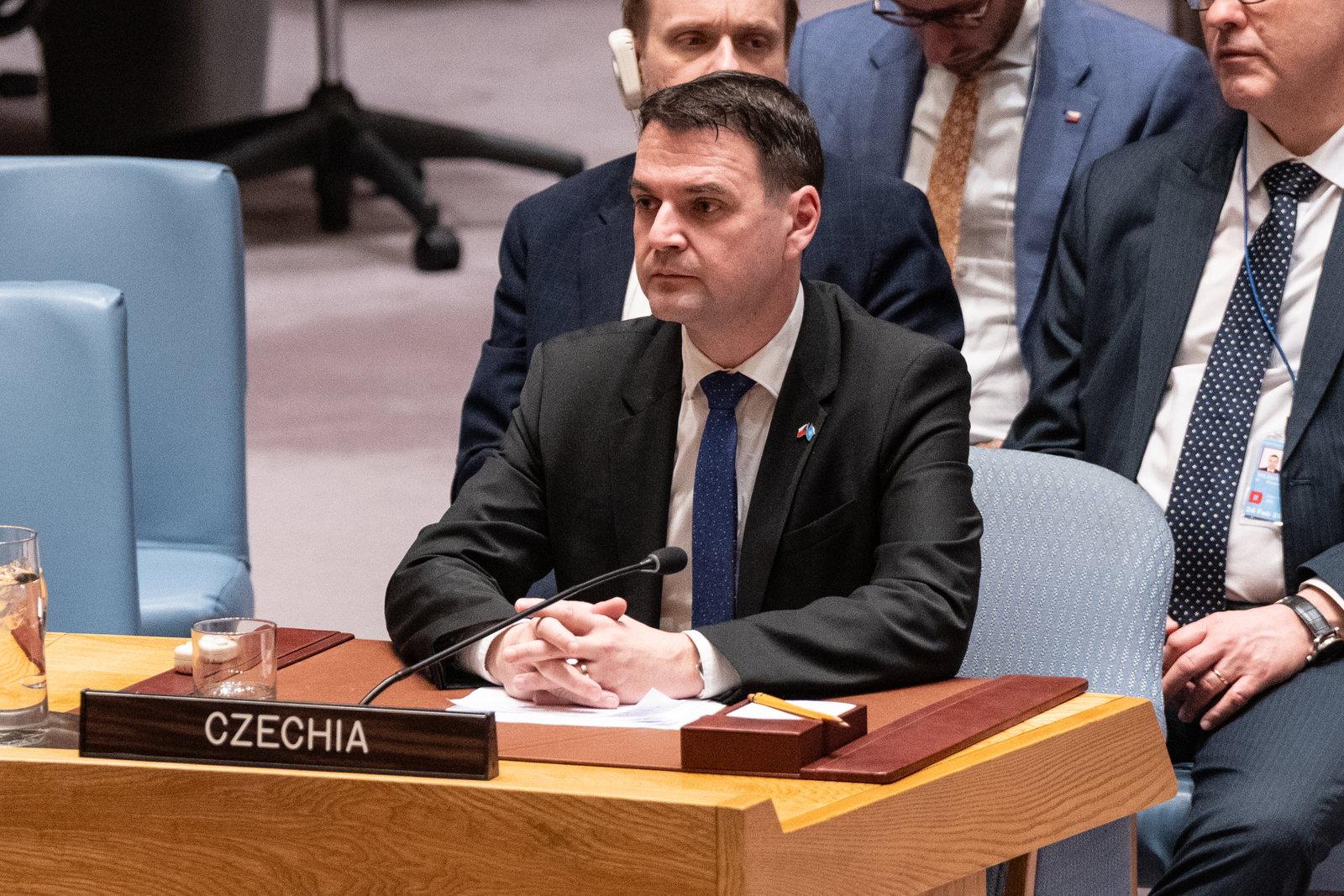
In the same broader context of international pressure, Euronews reported that full suspension of the EU-Israel association agreement would require a qualified majority and that countries such as Germany, Hungary and the Czech Republic opposed the earlier trade-restriction push. EEuronews further said that Hungary is the key to sanctions against violent Israeli settlers, while noting that the EU has sanctioned nine people and five entities linked to violent extremism in the West Bank and East Jerusalem under its global human rights sanctions regime.E