Yemen05 October, 20263 min read
Yemeni Armed Forces Launch Battle Of Liberation To End Coup, Target Houthi Strongholds
This article is an automated aggregation of coverage from news outlets. Our editorials offer in-depth analysis curated by the NewsCord team.
Yemeni Armed Forces launch Battle of Liberation to end coup and restore state institutions. Spokesman: two successful operations deep inside Saudi Arabia using missiles and drones.
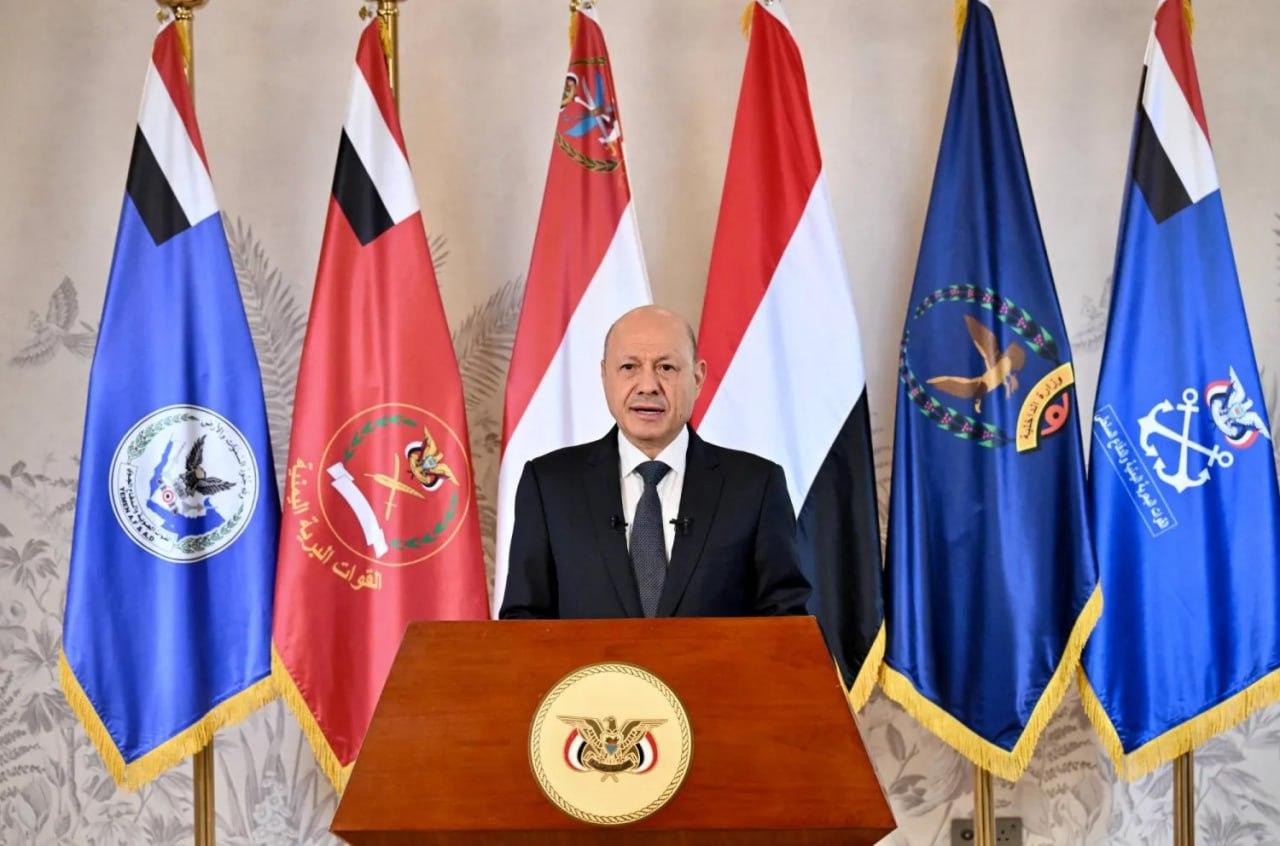
Battle of Liberation
The Yemeni Armed Forces announced the launch of the ‘Battle of Liberation’ to complete the restoration of state institutions and end the coup, with official Armed Forces spokesman Colonel Majed Abdullah Al Nazili saying the campaign aims to alleviate the suffering of the Yemeni people. Rashad Al -Alimi, the Yemeni Presidential Leadership Council chairman, announced the start of military operations to retake the remaining territory of the republic and extend state authority and its institutions across the country. Colonel Majed Abdullah Al Nazili said the state had exhausted all chances for de-escalation and that the continued presence of weapons outside the state’s control posed a threat to the security of citizens, the sovereignty of Yemen and the region, and international shipping routes.
The Yemeni Armed Forces said the ‘national battle’ represents a bridge to returning Yemen to its ‘Arab fold’, while stressing that they were advancing ‘with steadfastness and determination’ towards Houthi strongholds. The Yemeni Armed Forces said the statement came hours after Yemeni Armed Forces warplanes carried out a series of intensive air strikes, with more than 20 raids targeting Houthi strongholds, mobilisation camps, command and control centres, and military reinforcements in Al Jawf and Marib governorates.
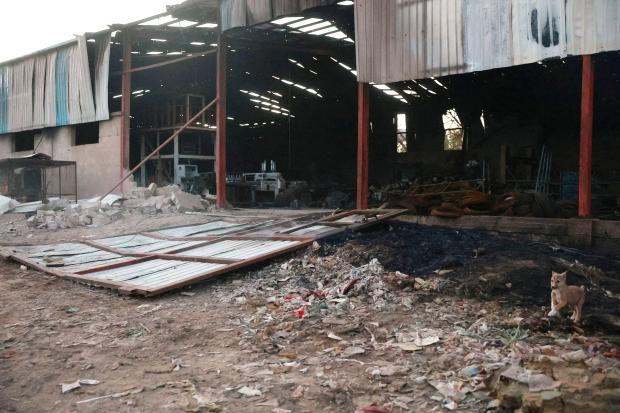
Aramco and 60 raids
The Yemeni Armed Forces, affiliated with the Ansarallah movement, announced a military operation targeting Aramco in Riyadh with ballistic missiles and drones, saying the operation was a response to Saudi attacks on the Yemeni capital, Sanaa. Brigadier General Yahya Saree said Saudi warplanes launched 60 raids during the preceding 24 hours, and he said the attacks targeted civilian sites in Sanaa, Saada, Taiz, Hajjah and Marib. Sanaa’s Foreign Ministry condemned the continuing violations of Yemen’s sovereignty and airspace, including attacks on the capital and other governorates.
The armed forces pledged to continue operations until the aggression and blockade end, and the statement tied the continuation of Yemeni military operations to the same demands: an end to Saudi attacks and the lifting of the blockade. The Yemeni Armed Forces warned that disregarding the lives of Yemenis would carry a high price, while also announcing that operations against concentrations of Saudi-affiliated troops would continue until the aggression stops and the blockade is lifted.

Assault on Sanaa
Yemeni government forces said they had launched an assault on Houthi-held Sanaa using advanced capabilities, expanding a broader military campaign against the Houthi militia.
Yemeni Armed Forces spokesman Col. Majed al-Nazili said in a statement carried by the Yemeni News Agency (Saba) that forces had begun what he described as a “strategic assault” on the capital.
The assault formed part of Operation Dawn of Yemen, which Presidential Leadership Council Chairman Rashad al-Alimi announced on Monday with the stated goals of retaking Sanaa, restoring state institutions and ending Houthi control.
The Coalition to Support Legitimacy in Yemen said 100 fighter jets were participating in Operation Dawn of Yemen and that 324 high-value targets had been destroyed.
Government forces said they had taken control of the Bab al-Mandab area, Dhu Bab and its airport, cut the road linking Dhu Bab with Mokha and established fire control over it.