Full story
Houthis Block Saudi Shipping
Yemen’s Iran-aligned Houthis declared “a maritime embargo against the criminal Saudi enemy” and said it was effective immediately as they imposed a naval blockade on Saudi Arabia, widening the threat to global energy supplies and trade.
The Houthis said the move was in response to what they called “an unjust and oppressive siege” imposed on Yemen by the Saudis, and the announcement followed signs from both Iran and the U.S. that they wanted to resume diplomatic efforts to end an escalating cycle of attacks.
The blockade centers on the Bab el-Mandeb gateway to the Red Sea, which NBC News said a full closure would reduce global oil supply by 7% by leaving most of Saudi oil exports unable to leave the region.
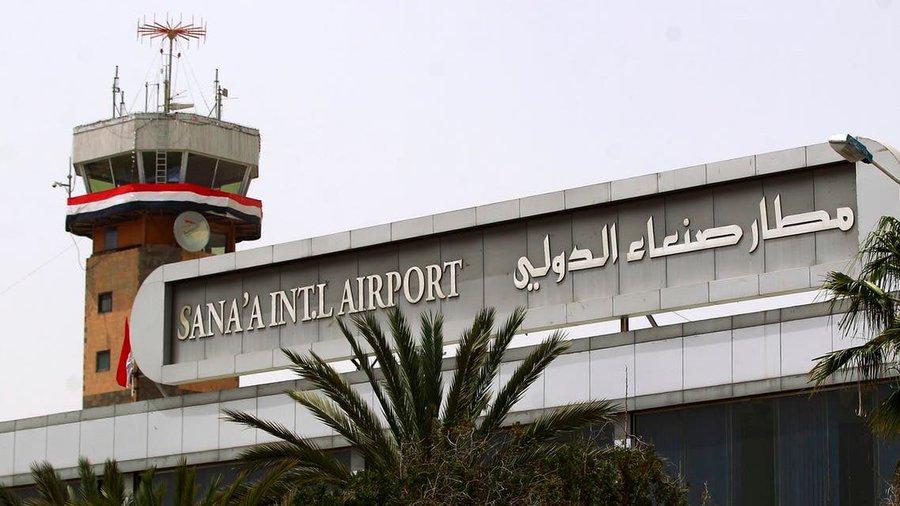
AP reported from Cairo that the rebels say they have closed the Bab el-Mandeb Strait to Saudi-linked shipping in retaliation for the kingdom’s blockade on Yemen and a recent attack on the international airport in Yemen’s rebel-held capital, Sanaa.
The Guardian added that two oil tankers that had loaded Saudi crude for China and India made U-turns on Tuesday away from Houthi-controlled coast at the mouth of the Red Sea and headed towards the Suez canal.
Regional Backing and Warnings
Arab states and Islamic institutions rallied behind Saudi Arabia after the Houthi movement accused Riyadh of besieging Yemenis and obstructing maritime navigation, with Qatar issuing one of the clearest responses by rejecting the allegations and declaring full solidarity with Saudi Arabia.
Qatar’s position was backed by GCC Secretary-General Jasem Mohamed Albudaiwi, who said the allegations were intended to obscure the Houthis’ own role in worsening conditions in Yemen and destabilizing the region, while the Muslim World League condemned the Houthi statement as an attempt to deflect responsibility for Yemen’s humanitarian crisis.

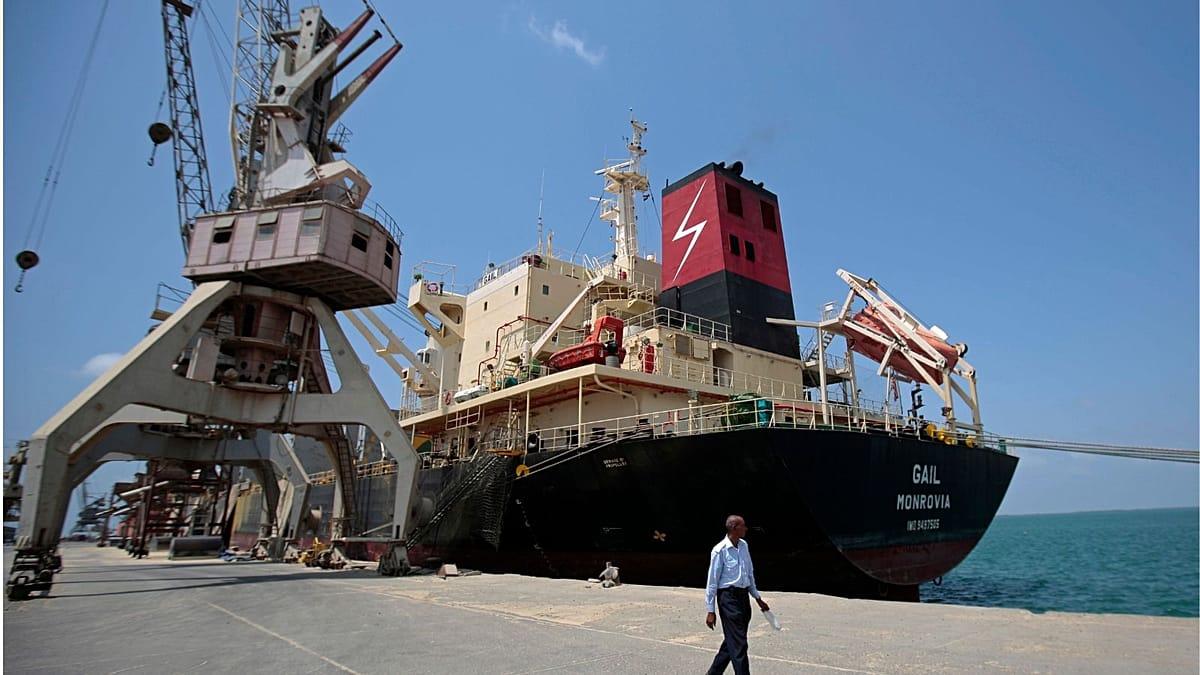
In parallel, the Houthis warned shipping companies not to load or discharge cargo at Saudi ports, with an email from the Houthis’ Sanaa-based Humanitarian Operations Coordination Center stating, “Vessels are banned from loading or discharging cargo at or from any Saudi ports,” and warning that the blockade would come into force at 7:01 a.m. EDT on Monday.
The Guardian reported that Donald Trump said the U.S. would “just have to take care of business” if the Houthis followed through on their threats, while the Houthis’ warning for the Red Sea came on top of Iran’s threat to shipping in the Gulf.
Reuters also described the Houthis’ escalation as a letter dated July 20 confirming a ban on dealing with Saudi ports as of 12:01 GMT and warning that any vessel that breaches the decision would be subject to targeting.
Oil Risks and Diplomatic Pressure
The dispute threatens Saudi Arabia’s principal Red Sea oil export route as the closure of the Bab el-Mandeb Strait would remove one of the kingdom’s few remaining alternatives for exporting crude, with Al-Monitor noting that Saudi Arabia has directed more than 70% of its crude shipments to the port of Yanbu.
Al-Monitor said exports from Yanbu now stand at around 4.5 million barrels per day, and it warned that the Houthis’ blockade would put those exports under threat while traffic through the Strait of Hormuz remains severely disrupted by the US-Israel-Iran war.
NBC News reported that a senior Iranian official told Reuters that Tehran had received a proposal from mediators for a 10-day ceasefire, and it said the Houthis’ announcement followed signs from both Iran and the U.S. that they wanted to resume diplomatic efforts to end an escalating cycle of attacks.
CNBC added that the U.S. Central Command said it had facilitated the transit of around 900 commercial vessels and 450 million barrels of crude oil through the Strait of Hormuz since early May, while the Houthis threatened to impose a naval blockade on Saudi Arabia.
In the background of the maritime standoff, the Guardian said the Houthi threat raised serious questions over the safety of navigating a channel used by 7% of global maritime traffic, and it quoted Allison Minor saying the Houthis’ intent to blockade Saudi ports implies that any ship visiting Saudi ports and carrying Saudi oil would be in the crosshairs.