USA11 September, 20262 min read
Zalmay Khalilzad Says September 11 Attacks Shifted U.S. Strategy Toward War on Terror
This article is an automated aggregation of coverage from news outlets. Our editorials offer in-depth analysis curated by the NewsCord team.
9/11 fundamentally changed US strategy, making the fight against terrorism central for years. Khalilzad says fear-driven decisions led to missteps after the attacks.

9/11 strategy and losses
Former U.S. Special Representative for Afghanistan Zalmay Khalilzad said the September 11 attacks fundamentally changed U.S. national strategy, making the fight against terrorism its central focus for years.
Khalilzad said the U.S. suffered significant losses during the subsequent war on terror, including service members who were killed or sustained life-changing injuries, and he described the intense phase of the war on terror as having receded.

In an Al Jazeera interview, Khalilzad said, "Anger was a factor of urgency because the people wanted to see action: What are we going to do about this?"
He also said the U.S. launched an invasion of Afghanistan less than a month after the attacks, with the stated aim of attacking the group responsible, al-Qaeda, and he described it as the start of a nearly 20-year-long war.
Fear, Taliban, and Iraq
Khalilzad told Al Jazeera that heightened fear after September 11 drove spiralling decisions, saying, "We were very angry. We were concerned that other attacks may be planned."
He said the U.S. wanted to "get to as many people – al-Qaeda members – to arrest them," and he described having misgivings about U.S. policy toward Afghanistan, including the decision not to negotiate with the Taliban.
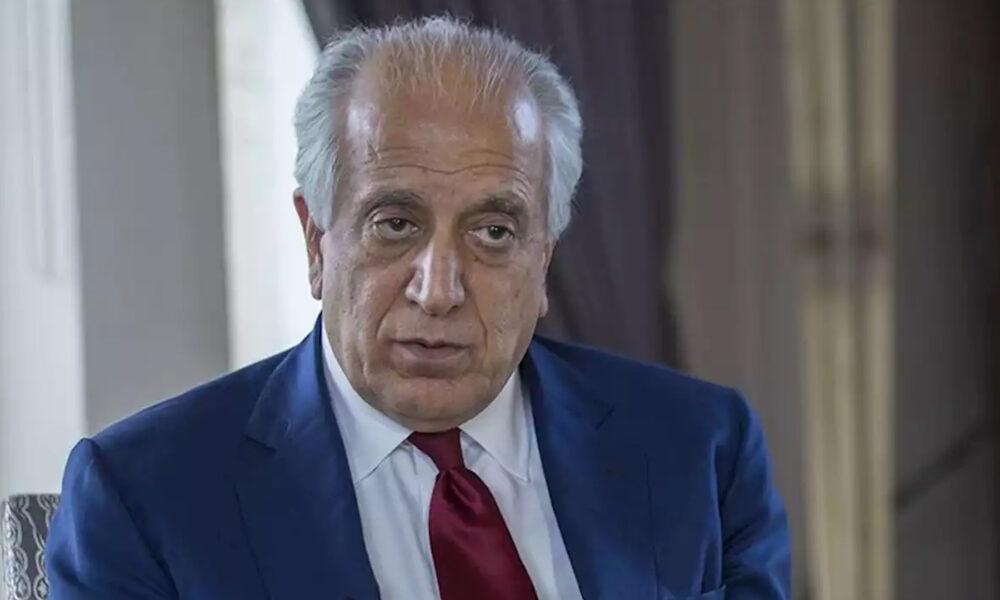
Khalilzad said, "One thought that has emerged is that we should have negotiated with the Taliban or included the Taliban in the political process in Afghanistan," and he added that it "would have been good if that had happened."
On Iraq, Khalilzad said, "With regard to Iraq, well, there the information was the problem," and he said the Bush administration justified the war by citing now-infamous intelligence assessments that Iraq was on the verge of obtaining "weapons of mass destruction".
From terror to new threats
Khalilzad said the U.S. now needs to broaden its focus to address emerging global challenges, pointing to China’s rise, the rapid development of artificial intelligence, and uncertainties involving Europe, Russia, India and the wider Middle East.
“We had been there for 20 years. Afghanistan was changed.”
He warned that major powers have historically remained focused on their “last war” while failing to prepare for emerging threats and conflicts, and he said the U.S. should avoid repeating that mistake while maintaining measures to ensure the war on terror remains in the past.
In the Al Jazeera interview, Khalilzad said he agreed with the move to pull U.S. troops from Afghanistan, saying, "We had been there for 20 years. Afghanistan was changed."
He said the withdrawal began in 2020 after President Donald Trump signed a deal with the Taliban to pull out all U.S. troops by the following year, and it was completed during the presidency of Joe Biden in 2021.