Zamorano University Launches Doctorate In Sustainable Agro-Food Systems In Guatemala
Key Takeaways
- Guatemala's 935,000 subsistence farming households face food insecurity.
- Indigenous women lead climate resilience through traditional and new farming methods.
- Nature-Based Solutions and Maya ancestral knowledge underpin community adaptation initiatives.
Guatemala’s agro-food shift
Guatemala’s agriculture faces droughts, extreme rainfall, soil degradation, loss of biodiversity, water scarcity, and extreme weather events that are affecting agricultural productivity and the ability of thousands of families to secure their livelihoods.
“Sponsored articles are produced by Climate Home News journalists with the support and collaboration of partners on topics of mutual interest”
The Periódico Digital Centroamericano y del Caribe says Guatemala concentrates around 935,000 households engaged in subsistence farming and that more than 45% of Guatemalan households experience moderate or severe food insecurity, especially in rural and indigenous areas.
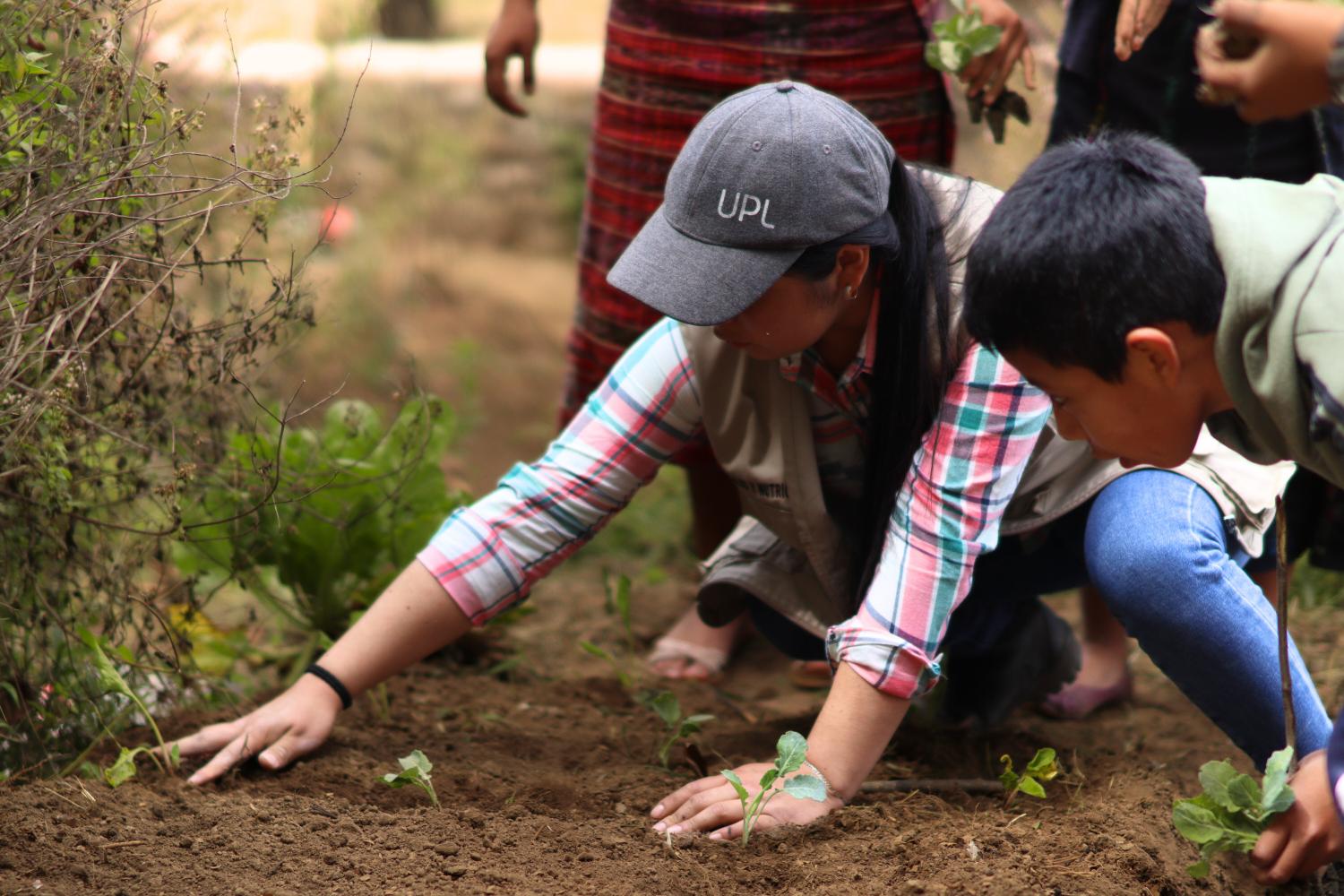
It adds that about 60% of the population experiences some degree of moderate or severe food insecurity and that nearly 40% of Guatemalans cannot afford a nutritious diet, while around 2.8 million people could face critical levels of food insecurity during periods of greatest seasonal scarcity.
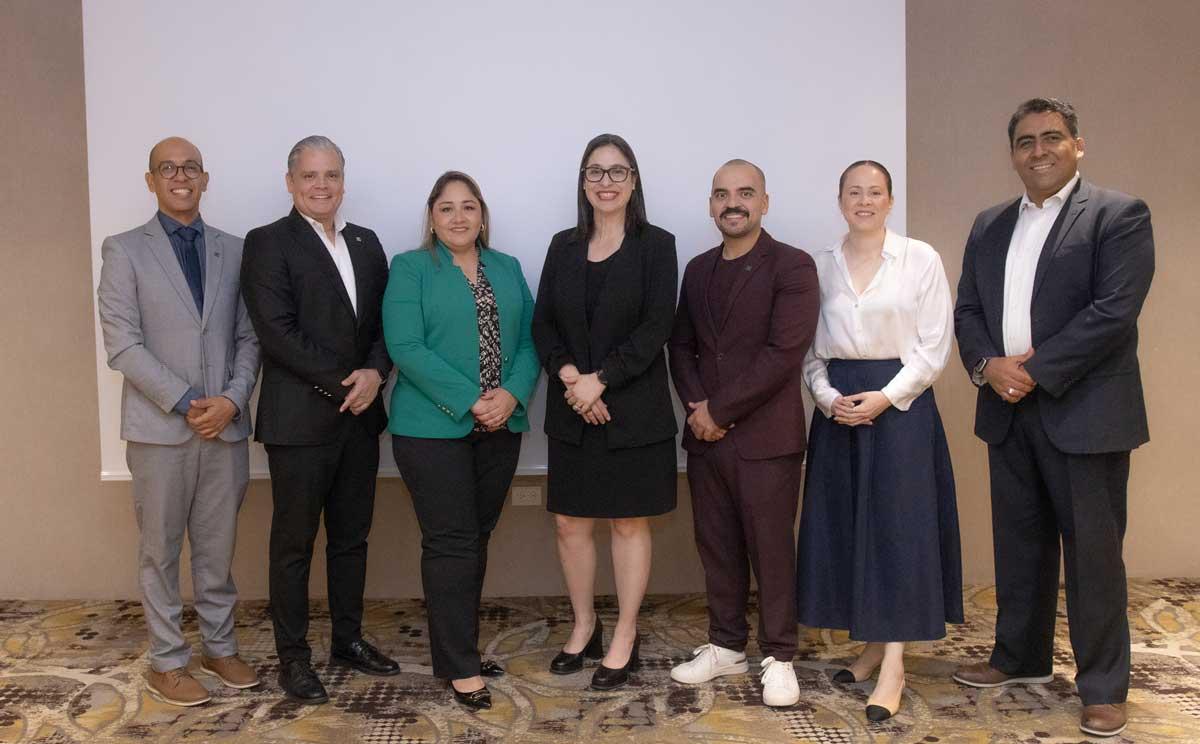
Zamorano University is set to launch in Guatemala its new graduate education offering, Doctorate in Sustainable Agro-Food Systems, accompanied by the masterclass “Redesign of Agro-Food Systems: Creating Circular Business Models,” taught by Dr. Jorge Cardona.
Zamorano emphasized, “The region needs leaders capable of connecting science, innovation, sustainability and action,” as it framed the challenge as transforming how agro-food systems are designed, managed, and strengthened.
Grants build resilience
In Guatemala’s western highlands, the International Union for Conservation of Nature reports that an investment of more than USD 2.3 million supported 53 grants implemented by 45 community organizations for nearly 95,000 people.
The results delivery event for the Resilient Altiplano Small Grants Program, funded by the Korea International Cooperation Agency (KOICA) and the Green Climate Fund (GCF), highlighted progress in restoring degraded landscapes, sustainable water management, and agroforestry systems as an Ecosystem-Based Adaptation (EbA) strategy.

IUCN says the initiatives reached more than 3,000 hectares and benefited nearly 95,000 people, including 69% women and more than 92,000 belonging to Maya Indigenous Peoples (K’iche’, Kaqchikel, and Mam).
Edwin Castellanos, Deputy Minister of Natural Resources and Climate Change at the Ministry of Environment and Natural Resources (MARN), said field visits offered opportunities “to confirm that the project truly reached the people.”
Raquel Sigüenza, IUCN’s country representative in Guatemala, stated that the communities of the Guatemalan highlands are demonstrating that climate action can produce concrete impacts when it integrates environmental restoration, local knowledge, and community participation.
Transparency and safeguards
The Food and Agriculture Organization reports that more than 370 government representatives, local producers, and private sector actors from Petén, Alta Verapaz, Baja Verapaz, Chiquimula, and Zacapa participated in regional meetings aimed at strengthening dialogue, accountability, and the safeguards approach.
“With an investment of more than USD 2”
FAO says the meetings supported projects Resilient Livelihoods of Smallholder Farmers in the Maya Landscapes and the Guatemala Dry Corridor (RELIVE) and Building Climate Resilience in Rural Communities of Central and Eastern Guatemala (RESICLIMA), implemented by FAO with financial support from the Green Climate Fund (GCF) and the Korea International Cooperation Agency (KOICA).
It adds that inclusive participation was promoted, ensuring the presence of rural communities, women, Indigenous Peoples, local institutions, cooperatives, and the private sector, together with representatives of the Ministries of Agriculture, Livestock and Food (MAGA), Environment and Natural Resources (MARN), and the National Forest Institute (INAB).
FAO describes the safeguards approach as establishing principles and measures to protect the rights, safety, and well-being of people, respect cultures and territories, promote gender equity, and prevent social and environmental risks.
The agency also says the meetings served as a complementary space to the complaints and grievances mechanism, where communities directly shared their concerns, suggestions, and observations.
More on Technology and Science

Heat Dome Traps More Than Half of the U.S. Through Fourth of July Weekend
13 sources compared

OpenAI Seeks 5% US Government Stake in ChatGPT Developer Amid Trump Administration Pressure
17 sources compared

Microsoft Launches $2.5 Billion Frontier Company With 6,000 AI Engineers for Enterprise Deployments
12 sources compared

Anthropic Talks With Samsung to Manufacture Custom AI Chip for Claude
13 sources compared