Zelensky Condemns U.S. Extension of Russian Oil Sanctions Waiver Until 16 May
Key Takeaways
- U.S. extends Russian oil-at-sea waiver to May 16 (30 days).
- Zelensky condemned the extension of the Russian oil waiver.
- Waiver aims to ease energy shortages and price shocks tied to the Iran war.
Sanctions Waiver Extended
Ukraine’s President Volodymyr Zelensky condemned a U.S. decision to extend a sanctions waiver that allows Russia to sell oil despite Western sanctions, saying the move means countries can purchase Russian oil and petroleum products already loaded on vessels at sea until 16 May.
In remarks on Sunday, Zelensky said, "every dollar paid for Russian oil is money for the war" in Ukraine.

The BBC reported that Zelensky also condemned an earlier U.S. move to ease Russian sanctions on 13 March, and said the extension was justified by the U.S. as a way to ease an energy supply crunch sparked by the US-Israel war with Iran.
The BBC said the U.S. move to ease sanctions was extended on Friday and that the U.S. said it wanted "to ensure oil is available to those who need it" as negotiations to end the war "accelerate".
Zelensky’s remarks tied the waiver to Russia’s battlefield activity, asserting that Russia has more than 110 tankers from its "shadow fleet" carrying "over 12 million tons" of oil and that their sale would bring $10bn (£7.4bn) to Moscow’s coffers as "a resource that is directly converted into new strikes against Ukraine".
Zelensky also said that just over the past week Russia launched "over 2,360 attack drones, more than 1,320 guided aerial bombs, and nearly 60 missiles of various types" at Ukrainian cities and communities.
The BBC added that the war has reached a stalemate, with Russia in control of about 20% of Ukrainian territory, and said efforts led by the U.S. to end the war were put on hold due to the war in Iran.
U.S. Justification and Reversal
U.S. officials defended the waiver extension as not being a reward for Moscow, while other reporting described a reversal from earlier U.S. statements.
The Kyiv Independent quoted U.S. Ambassador to the United Nations Mike Waltz telling NBC News on April 19, "This is not rewarding Russia. That's ridiculous," during an interview on NBC's "Meet the Press" with Kristen Welker.
The Kyiv Independent said the U.S. Treasury Department on April 17 issued a temporary license renewing a sanctions waiver that allows countries to purchase Russian oil stranded at sea, replacing a previous waiver that expired April 11.
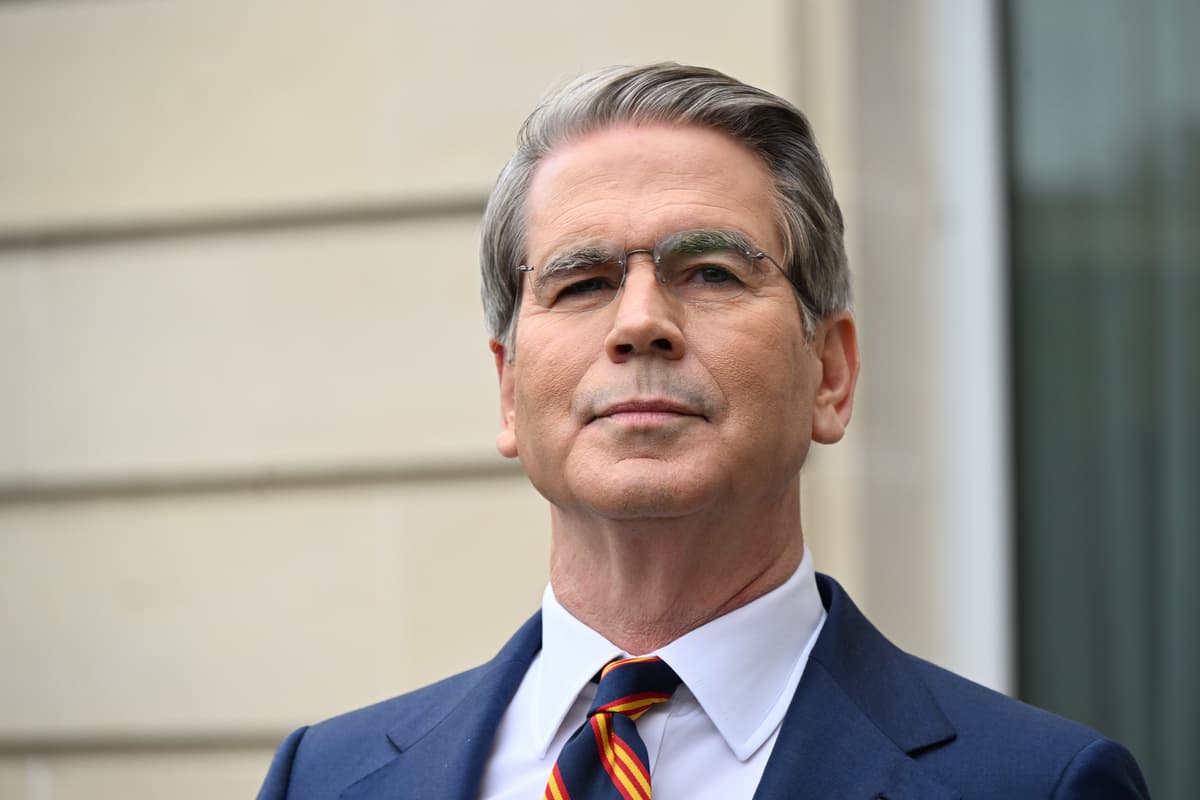
It also said the waiver was renewed two days after U.S. Treasury Secretary Scott Bessent said the administration "will not be renewing the general license on Russian oil."
The Kyiv Independent reported that the new license allows countries to buy Russian oil and petroleum products loaded onto vessels as of April 15 through May 16, and said the Trump administration justified the waivers as a measure to alleviate surging oil prices following the U.S.-Israeli war in Iran.
Waltz told Welker that what was allowed was "actually out on the water," adding, "What is not being allowed to move is coming out of Iranian refineries right now. And that's the same with Russian oil as well."
The AP described the extension as a way to ease shortages from the Iran war, saying the so-called general license means U.S. sanctions will not apply for 30 days on deliveries of Russian oil loaded on tankers as of Friday.
Ukraine Strikes After Waiver
Hours after the United States granted another waiver on the sale of sanctioned seaborne Russian crude through May 16, Ukraine struck Russian oil refineries and other energy targets, according to CNN’s reporting.
CNN said Ukraine attacked two Russian refineries and other key oil targets overnight into Saturday, with officials describing the strikes as occurring "just hours after the United States granted Moscow another waiver".
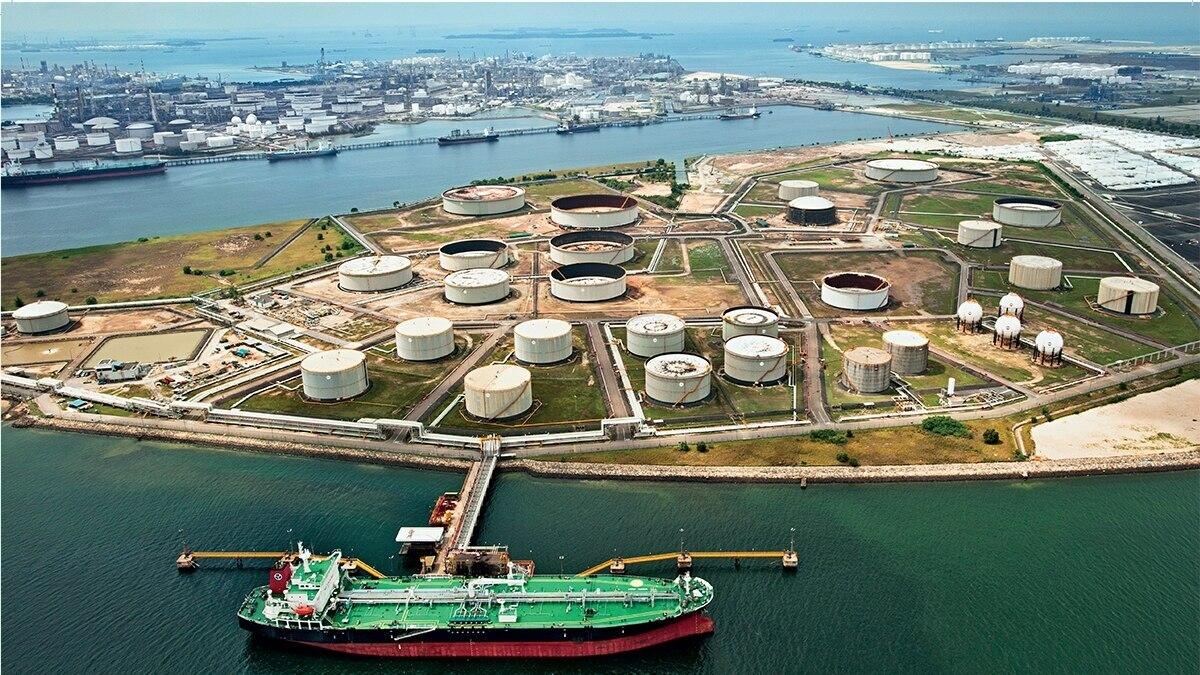
Kyiv’s drone forces commander Robert “Madyar” Brovdi said on Telegram that Ukraine struck the Novokuybyshevsk and Syzran oil refineries in Russia’s Samara region, the Tikhoretsk oil terminal in the Krasnodar region, and the Baltic Sea port of Vysotsk, as well as an oil depot in Sevastopol, in occupied Crimea.
CNN reported that the Russian Ministry of Defense did not acknowledge the strikes, announcing only that the country’s air defenses intercepted 258 Ukrainian drones overnight, while Russian regional authorities reported the attacks or their consequences.
CNN said Vyacheslav Fedorishchev, the governor of the Samara region, stated “strikes have been recorded” against “industrial facilities” and that emergency services were on the scene.
In the Krasnodar region, CNN reported that the Emergency Response Headquarters said a fire had broken out at the oil depot in Tikhoretsk and that “224 personnel and 56 pieces of equipment” were involved in trying to bring it under control.
CNN also said Brovdi made no secret that the strikes were in response to the U.S. renewed waiver, accusing the U.S. of “cynicism” and warning the move comes with a price tag of “Ukrainian lives.”
Energy Markets and Regional Fallout
Reporting across outlets connected the waiver extension to wider energy-market disruptions tied to the Iran war, including claims about the Strait of Hormuz and the seizure of an Iranian-flagged vessel.
The BBC said Iran has virtually shut the Strait of Hormuz, describing it as the narrow passage where some 20% of the world's oil and liquefied natural gas (LNG) is usually transported, and said this led to turmoil in energy markets with fears that a world recession may ensue if it is not reopened soon.
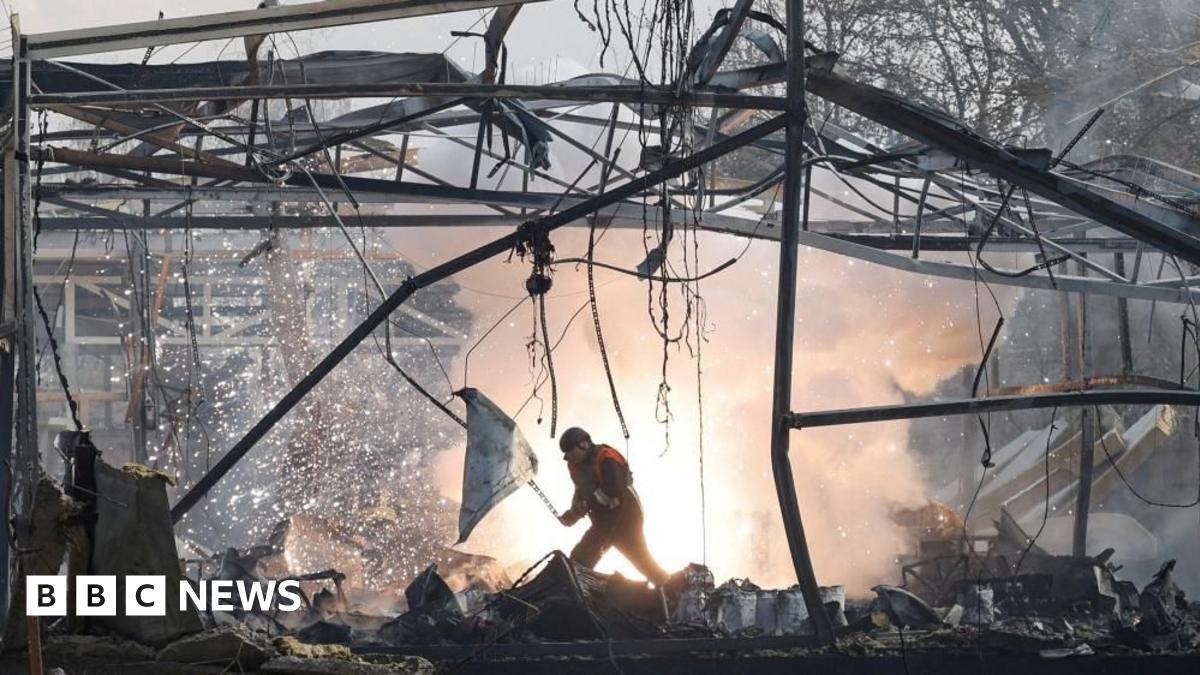
CNBC said global oil prices tumbled 9% on Friday to about $90 a barrel after Iran temporarily reopened the Strait of Hormuz, calling it an oil choke point in the Gulf.
CNBC also said Tehran warned it "could close the strait again if the recent U.S. Navy blockade of Iranian ports continued" and that the war had already created the worst global energy supply disruption in history, with the International Energy Agency saying it had damaged more than 80 oil and gas facilities in the Middle East.
The Crude Oil Prices Today report described a tense situation in the Middle East despite last week’s signs of a thaw and a statement by the U.S. that the Strait of Hormuz was open to all traffic, adding that the U.S. seized an Iranian-flagged vessel in the strait, claiming it was trying to break its blockade.
That report said the U.S. did not lift the blockade after Iran said it would reopen the Strait of Hormuz as part of a ceasefire agreed earlier, and said oil prices rebounded on the news about the seizure after dipping on the ceasefire news.
The Crude Oil Prices Today report also linked the waiver’s effects to India’s buying patterns, saying that after the U.S. issued the sanction waiver in March, a race began for Russian oil cargoes at sea and that shipping data showed tankers diverting from China to supply cargoes to Indian buyers.
Consequences and Competing Frames
The waiver extension and the resulting energy-market dynamics were framed differently across outlets, with some emphasizing Ukraine’s view of the sanctions as enabling attacks and others emphasizing U.S. claims of energy availability and global price control.
Zelensky’s condemnation in the BBC was explicit about the link between oil sales and strikes, with his statement that "every dollar paid for Russian oil is money for the war" and his claim that the sale of oil from Russia’s "shadow fleet" would be "a resource that is directly converted into new strikes against Ukraine."
In CNN’s account, Ukraine’s drone forces commander Robert “Madyar” Brovdi tied the timing of attacks directly to the waiver, accusing the U.S. of “cynicism” and warning the move comes with a price tag of “Ukrainian lives.”
By contrast, CNBC emphasized the administration’s goal of stabilizing energy prices, quoting a Treasury Department spokesperson saying, "As negotiations (with Iran) accelerate, Treasury wants to ensure oil is available to those who need it," and describing the waiver as part of an effort to control global energy prices that had shot higher during the U.S.-Israeli war with Iran.
The Kyiv Independent added another layer by reporting that Senate Democrats condemned the Treasury’s extension of the sanctions waiver, calling it "shameful," and by quoting Waltz’s defense that the administration put sanctions on Russia’s number one and number two oil providers at Rosneft and Lukoil.
Meanwhile, the Guardian’s reporting on European brands and compliance scrutiny connected the Ukraine war to supply-chain oversight, saying European fashion retailers faced fresh questions after the fire at a factory that supplied them killed at least 33 garment workers in Bangladesh, and quoting Clean Clothes Campaign spokesperson Ineke Zeldenrust that the audit system was "fundamentally broken" because "audits consistently miss the most dangerous conditions because they are announced in advance and rely on documents rather than worker testimony."
More on Ukraine War
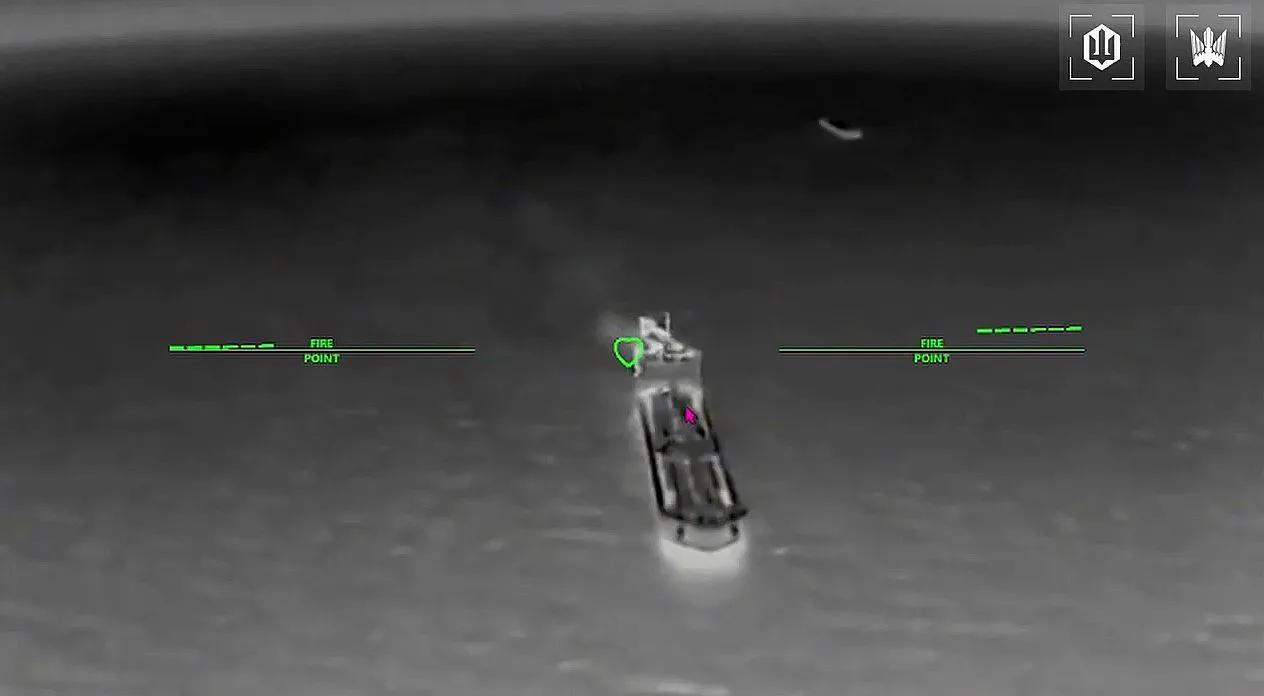
Ukrainian Drones Strike Russian Oil Facilities, Burning Tankers in Sea of Azov
29 sources compared
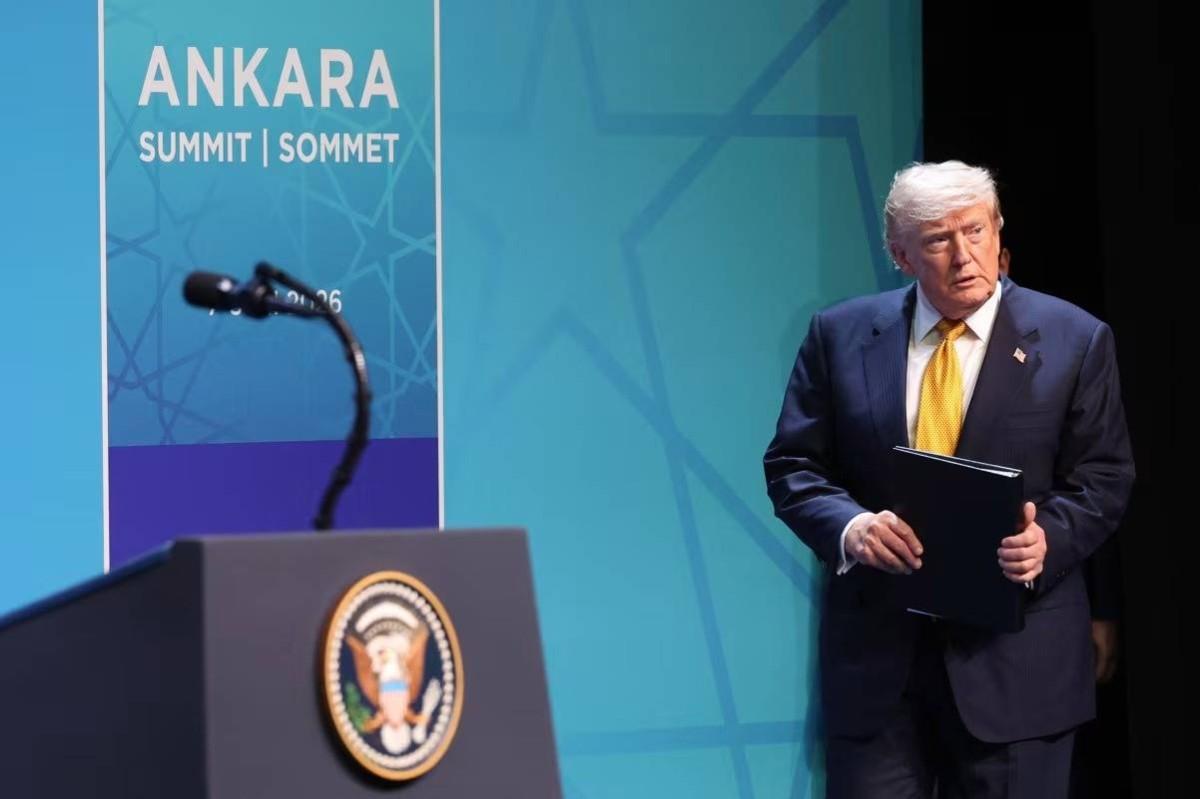
Trump Grants Ukraine License To Manufacture Patriot Missile Interceptors At NATO Summit In Ankara
49 sources compared

NATO Accelerates Anti-Drone Measures, Mark Rutte Says After Defense Ministers Meeting
14 sources compared
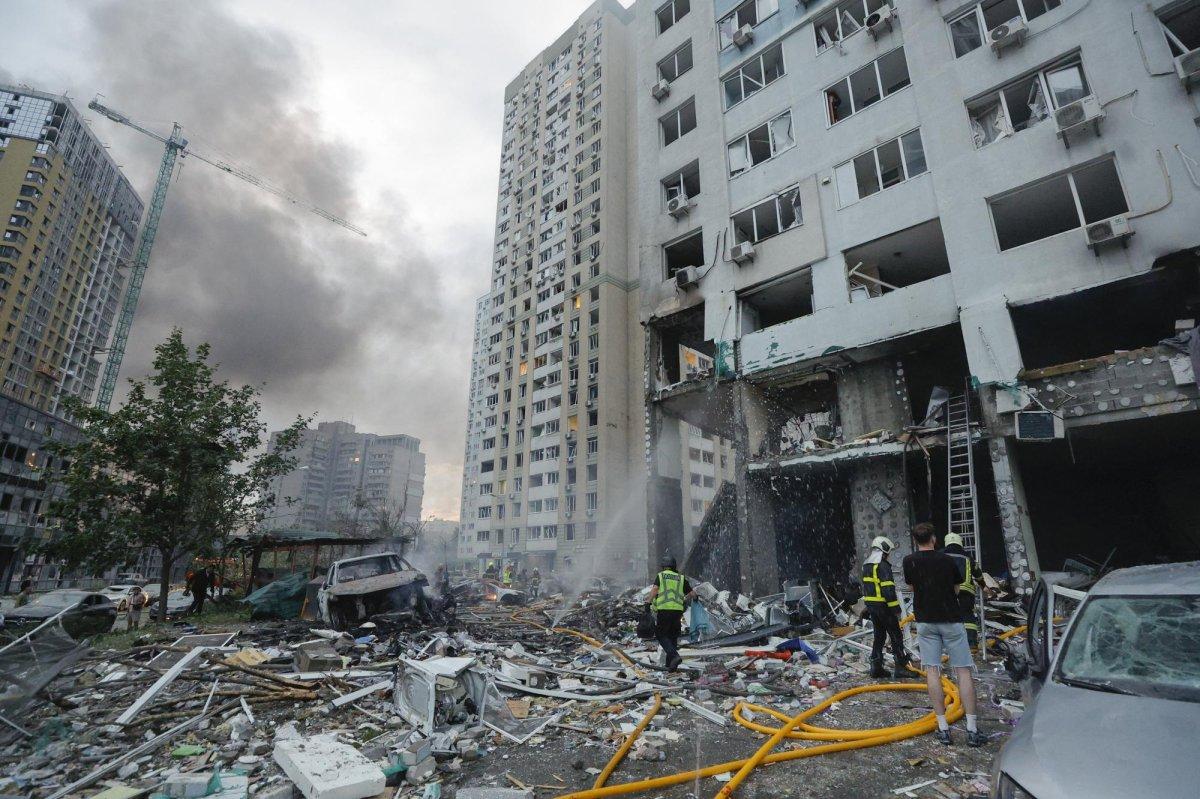
Russian Missile And Drone Attacks Kill At Least 14 In Kyiv Before NATO Summit
26 sources compared