Ukraine War24 October, 20253 min read
Zelensky Urges Allies to Sanction All Russian Oil Companies to Starve Moscow’s War Machine
This article is an automated aggregation of coverage from news outlets. Our editorials offer in-depth analysis curated by the NewsCord team.
Zelensky urged allies to sanction all Russian oil companies, shadow fleet, and oil terminals. US and EU imposed sanctions targeting Russia’s largest oil firms Rosneft and Lukoil to cut war funding.

17 outlets told this the same way.
Outlets did split on Russian Attack Kills At Least 33 On Two Buses In Kramatorsk →
Zelensky's Call for Sanctions
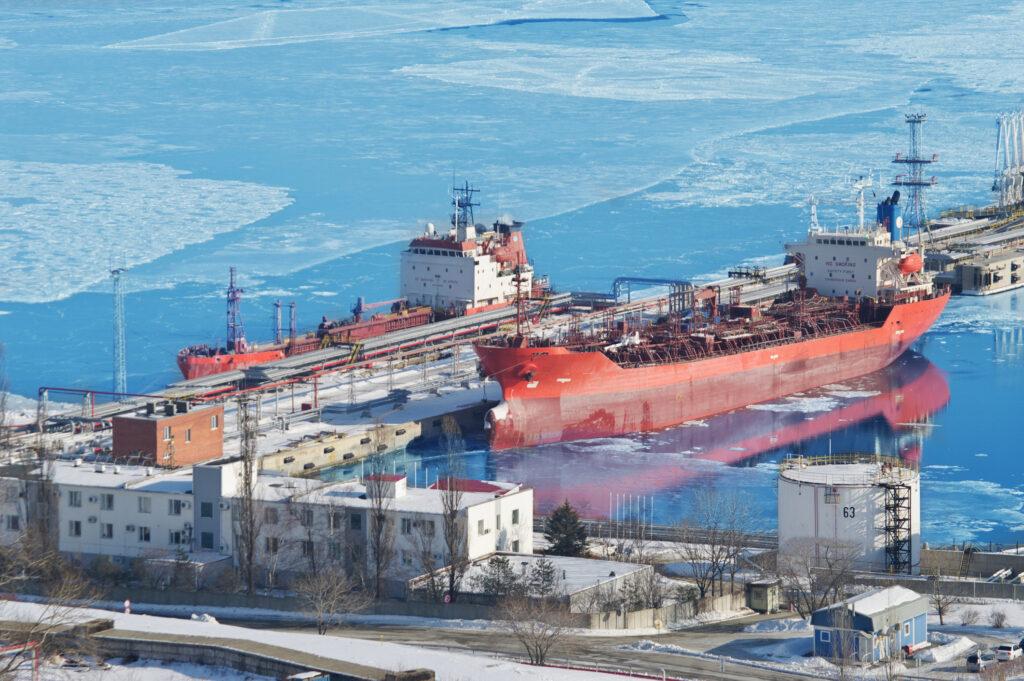
Ukrainian President Volodymyr Zelensky used a London gathering of a self-styled “coalition of the willing” to urge allies to impose sanctions on all Russian oil companies, their “shadow fleet,” and oil terminals to choke off funding for Moscow’s war. He framed the appeal around Russia’s strikes on Ukrainian energy infrastructure and the Kremlin’s tactic of leveraging the coming winter, insisting that “peace requires pressure on the aggressor.”
“Ukrainian President Volodymyr Zelensky called on Kyiv’s allies to impose sanctions on all Russian oil companies, its shadow fleet, and oil terminals to cut off Moscow’s funding for the war in Ukraine.”
His trip included a meeting with King Charles III at Windsor Castle as he prepared for sessions with European and NATO leaders on tightening pressure against Russia, alongside fresh US measures and ongoing EU action. The push sits within broader allied efforts to coordinate military aid and economic pressure in tandem with Ukraine’s stepped-up strikes against Russian energy assets.
US and European Sanctions on Russia
Zelensky’s call coincides with Washington increasing energy-related sanctions. Multiple sources report new US measures targeting Rosneft and Lukoil. Coverage varies on who is responsible and the timing of these actions.
Some reports describe the measures in institutional terms. Others link the sanctions directly to President Trump and specific steps planned for October 2025. European efforts continue alongside US actions.

Brussels is advancing its 19th sanctions package. There are ongoing legal discussions about using frozen Russian assets to support Ukraine’s defense.
Shifts in Global Energy Flows
Sanctions and Ukrainian strikes are reshaping energy flows. Asian and Western sources differ on China's and India's energy purchases. Some reports indicate that Chinese state firms have halted purchases.
“China... major state-owned firms suspend seaborne Russian oil purchases, though pipeline imports remain steady... These sanctions have slightly increased crude prices.”
Other sources specify that China has suspended seaborne deals while pipeline flows remain steady. India is reported to be preparing cuts in its energy imports. Data shows a 10% drop in Indian imports of Russian crude.
India is shifting to more expensive Middle Eastern and US oil barrels. Price impacts are described differently, with some noting modest increases and others a roughly 5% rise. In Central Asia, fuel shortages are attributed not to sanctions but to Ukrainian drone strikes on Russian refineries.
Funding Ukraine with Frozen Assets
Allies are debating how to fund Ukraine using frozen Russian assets. Brussels is considering a package supported by profits on central bank reserves. The figures range from a €140 billion “reparations loan” to roughly $225 billion in assets mostly held in Belgium.
Legal and financial risks are significant, with Belgium raising litigation concerns. These concerns have delayed decisions until December. Meanwhile, leaders in London are pushing for tougher measures and expanded long-range support to pressure Moscow toward negotiations.

UN Security Council Reform Efforts
UN Secretary-General Antonio Guterres warned that the Security Council’s legitimacy is fragile and urged urgent reform. He called for expanding representation for underrepresented regions and voluntarily limiting great-power vetoes to better respond to crises like Russia’s war. Reports on the venue and convening of the debate differ across West Asian outlets; one states it was convened by Russia at the UN, while another places it in Hanoi.
“UN Secretary-General Antonio Guterres warned that the Security Council’s legitimacy is fragile... He also supported proposals by France and the UK to voluntarily limit the use of the veto power by permanent members to improve the council’s responsiveness to global crises.”
Both reports agree on the need to broaden membership and curb veto use. Meanwhile, Zelensky’s diplomacy in London runs parallel to this reform push, aiming to combine military and economic pressure with institutional changes that increase responsiveness to aggression.
