Ukraine War06 October, 20252 min read
Zelenskyy Exposes Western Firms Supplying British Parts for Russian Drones Attacking Ukraine
This article is an automated aggregation of coverage from news outlets. Our editorials offer in-depth analysis curated by the NewsCord team.
Over 102,000 foreign-made components found in 549 Russian drones and missiles. British microcomputers identified among Western parts used in Russian weapons.
22 outlets told this the same way.
Outlets did split on Russian Attack Kills At Least 33 On Two Buses In Kramatorsk →
Foreign Components in Russian Attacks
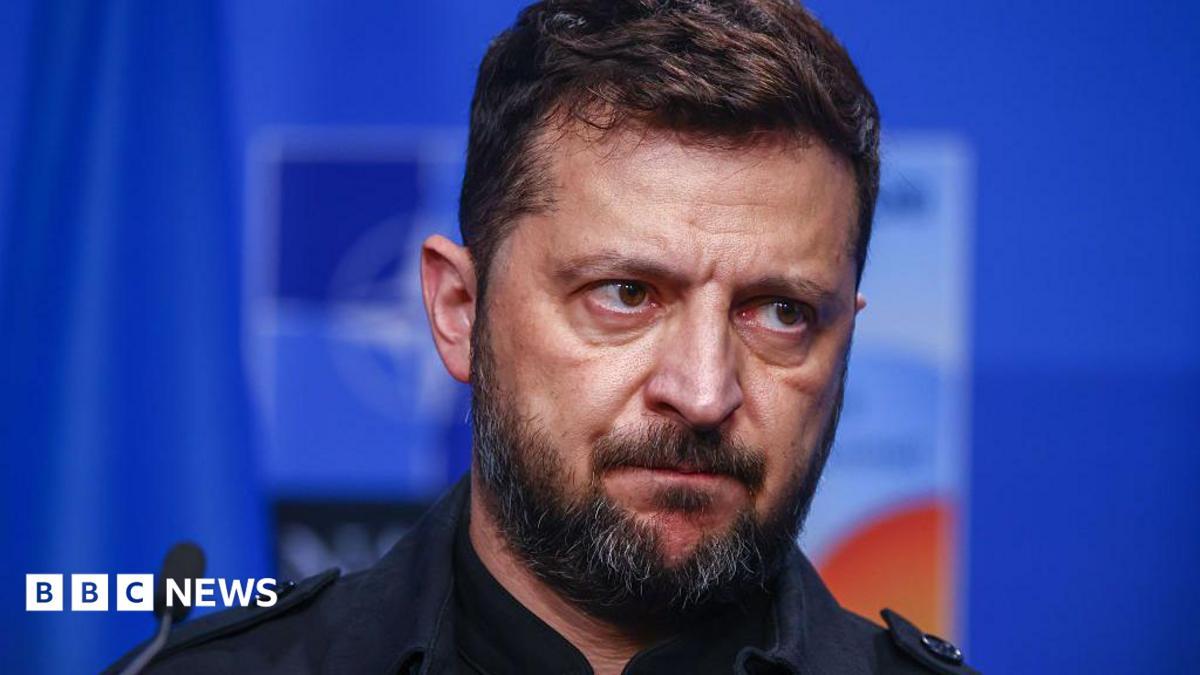
Ukraine’s President Volodymyr Zelenskyy says Russian missiles and drones used in the October 5–6 attacks contained over 100,000 foreign-made components. These components included British microcomputers allegedly found in drones that struck Lviv. Multiple outlets report he detailed a total of 549 Russian weapon systems in the barrage.
“Ukrainian President Volodymyr Zelensky has called for stricter sanctions... He revealed that drones involved in a deadly strike on Lviv contained UK-made microcomputers for flight control... Zelensky highlighted that Russia continues to source foreign-made parts for its weapons, citing that 549 weapon systems used in the recent assault contained over 102,000 components...”
These systems drew on parts from countries such as the US, UK, Germany, Switzerland, Japan, South Korea, the Netherlands, Taiwan, and China. Several sources add specifics, noting Swiss-made microcontrollers and UK-made flight-control microcomputers were identified among converters, sensors, and other electronics.

The assault involved nearly 500 drones and more than 50 missiles. While some coverage centers on the Lviv strike that killed civilians, others stress the larger pattern of Russia’s dependence on global supply chains for its arsenal.
Sanctions and Enforcement on Russia
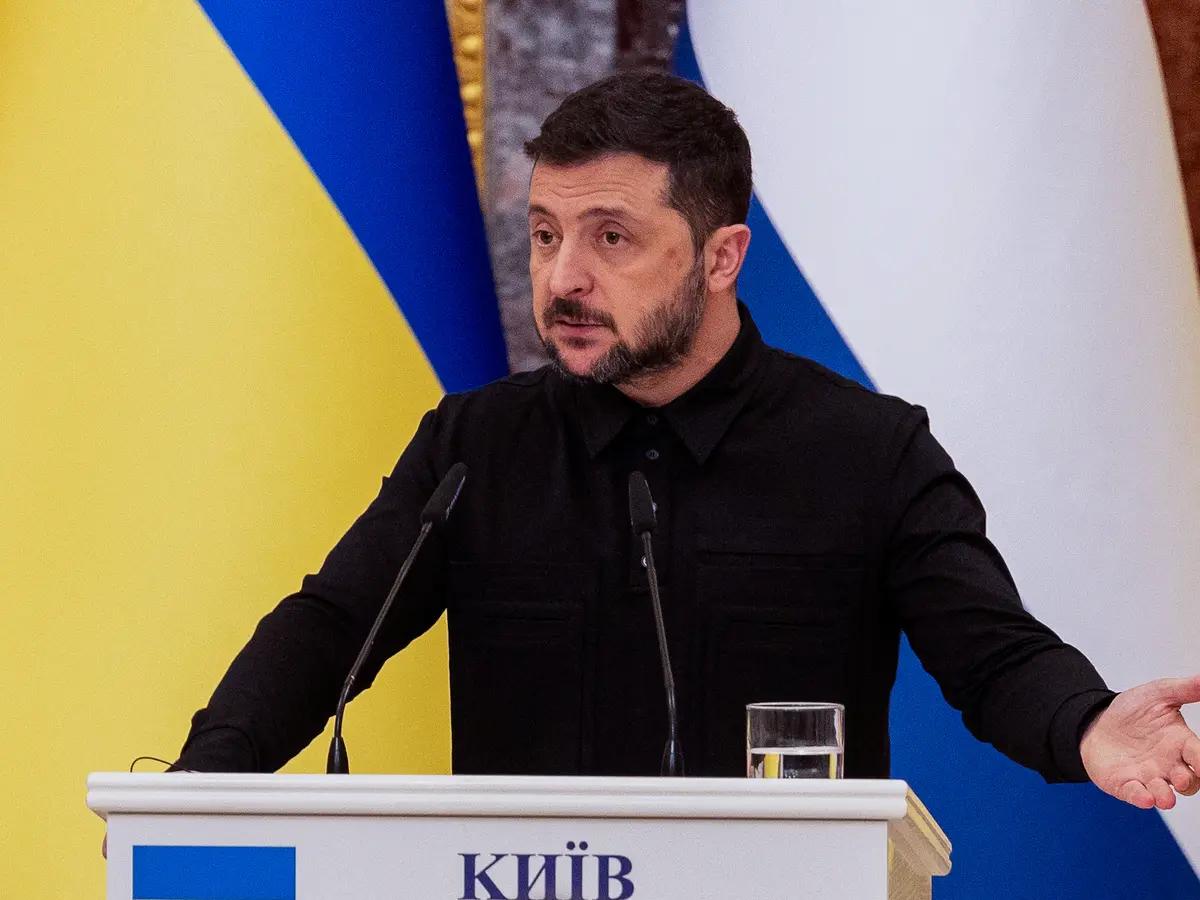
Zelenskyy pairs these findings with demands to close loopholes, urging the G7 and allies to impose tougher sanctions on firms and intermediaries that still feed Russia’s war machine. UK authorities publicly signaled serious concern, warning that sanctions violations carry heavy fines or criminal charges. Multiple outlets note London’s broader export bans and enforcement posture.
Coverage varies in tone: some Western mainstream and alternative outlets highlight government crackdowns, while West Asian and Asian outlets underline Zelenskyy’s argument that Western companies—despite supporting Ukraine—still inadvertently supply components. Partners already hold detailed data on the firms and products involved.
Supply Chains and Intelligence Claims
Several outlets detail the components pipeline, citing converters, sensors, microcontrollers, and flight-control microcomputers. Some of these components are linked to Switzerland and the UK and circulate through complex supply chains. West Asian and African sources carry Ukrainian intelligence allegations that China is assisting Russia with satellite reconnaissance to identify targets in Ukraine.
“Key components identified include converters, sensors, and microcomputers, with some microcontrollers from Switzerland and drone flight control microcomputers from the UK.”
Moscow denies these claims. Other reports focus on the wide range of supplier countries across Europe and Asia. Ukraine has shared company-level data with partners and is preparing new sanctions aimed at manufacturers and intermediaries.
October 5–6 Aerial Assault Details
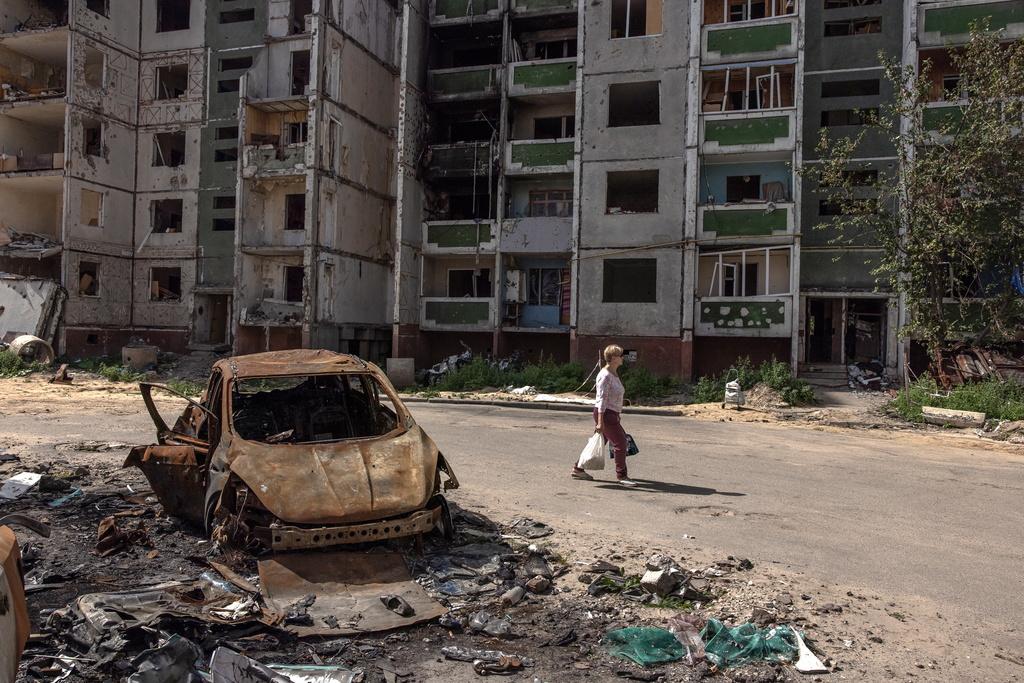
Accounts differ on the casualties and description of the October 5–6 barrage. Some Western Alternative and Other outlets report five deaths and damage to energy infrastructure. Local and tabloid sources highlight that the Lviv strike alone killed four people, including a teenager.
The Kyiv Independent reports a higher nationwide toll of at least six deaths and 18 injuries. Several outlets describe it as the largest aerial assault on Lviv since 2022. Other sources frame it more broadly as a western Ukraine-wide strike involving 549 missiles and drones.
Challenges in Russia Sanctions
The broader takeaway across sources is twofold: sanctions enforcement remains leaky, and Russia still relies on foreign technology despite being the most-sanctioned country. The BBC notes Russia’s status as the most-sanctioned state. The Kyiv Independent and other outlets emphasize smuggling and circumvention of sanctions.
“Since the full-scale invasion began in February 2022, Russia has become the most-sanctioned country globally.”
Some sources say Russia’s economy has adapted to the sanctions, while others highlight economic strains and a possible near recession. Unique coverage includes calls for tighter global oversight of the arms supply chain. There are also references to unrelated U.S. political disputes appearing alongside the sanctions story, illustrating divergent editorial priorities.
