Britain06 October, 20252 min read
97% of First-Year Doctors in England Vote to Strike Over Job Security and Pay
This article is an automated aggregation of coverage from news outlets. Our editorials offer in-depth analysis curated by the NewsCord team.
97% of first-year doctors in England voted to strike with 65% turnout Strike action targets job security due to shortage of specialty training places

6 outlets told this the same way.
Resident Doctors' Strike Vote
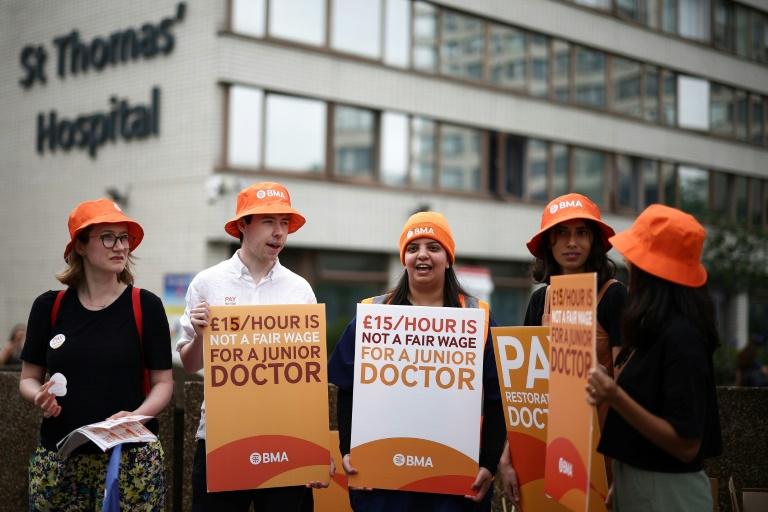
First-year resident doctors in England have overwhelmingly voted in favor of strike action, with 97% supporting the move on a 65% turnout, as reported by the British Medical Association (BMA). This decision underscores significant concerns over both pay and job security. Since 2008, resident doctors have experienced a 21% erosion in pay, which has been a central issue in ongoing disputes.
“First-year resident doctors (FY1) in England have overwhelmingly voted in favor of strike action, with 97% supporting it on a 65% turnout, according to the British Medical Association (BMA).”
Additionally, a substantial number of doctors face uncertain employment prospects, with 34% of first-year and 52% of second-year resident doctors reporting no substantive employment or regular work from August 2025. The BMA has emphasized that these issues must be addressed in government talks to prevent future industrial action.
Doctor Training and Job Shortages
The BMA has warned that the lack of job security and training opportunities is a critical issue that needs urgent attention. According to Sky News, over 30,000 doctors are competing for just 10,000 specialty training spots in 2025, highlighting the severe shortage of opportunities for new medical graduates.
This shortage is compounded by the fact that many doctors are left without substantive employment, despite the NHS being critically understaffed. The BMA has urged the government to address these issues to prevent future strikes, emphasizing the need for both job availability and pay restoration.

Doctors' Strike and Pay Disputes
The recent vote for strike action follows a five-day strike in July, which was also centered around unresolved pay disputes.
“This development follows a five-day strike in July over unresolved pay disputes.”
Dr. Jack Fletcher, chair of the BMA’s resident doctors committee, has been vocal about the need for a resolution, stating that doctors reject a future of career insecurity amid high demand for medical professionals.
The BMA's stance is that without addressing both pay and job security, the NHS risks losing a significant portion of its future workforce, which could exacerbate the current staffing crisis.
NHS Workforce Challenges
The BMA's call for action addresses not only immediate pay and job security but also the long-term sustainability of the NHS workforce. A significant number of doctors face unemployment despite the NHS's critical understaffing.
The association argues that the government must take decisive steps to ensure the healthcare system can meet future demands. The BMA's survey results, showing a high percentage of doctors without regular work, highlight the urgency of the situation.
