Europeupdated 1h ago3 min read
Archive photoAbbas Araghchi Links Geopolitical Tensions To Fuel Price Rises Amid Europe Gas Shortfall
“Now, the increase in energy costs and the possibility of expanding instability in global markets have led European governments to conclude that continuing the confrontation with Iran”
“However, reserves entering this winter are significantly lower than historical averages.”
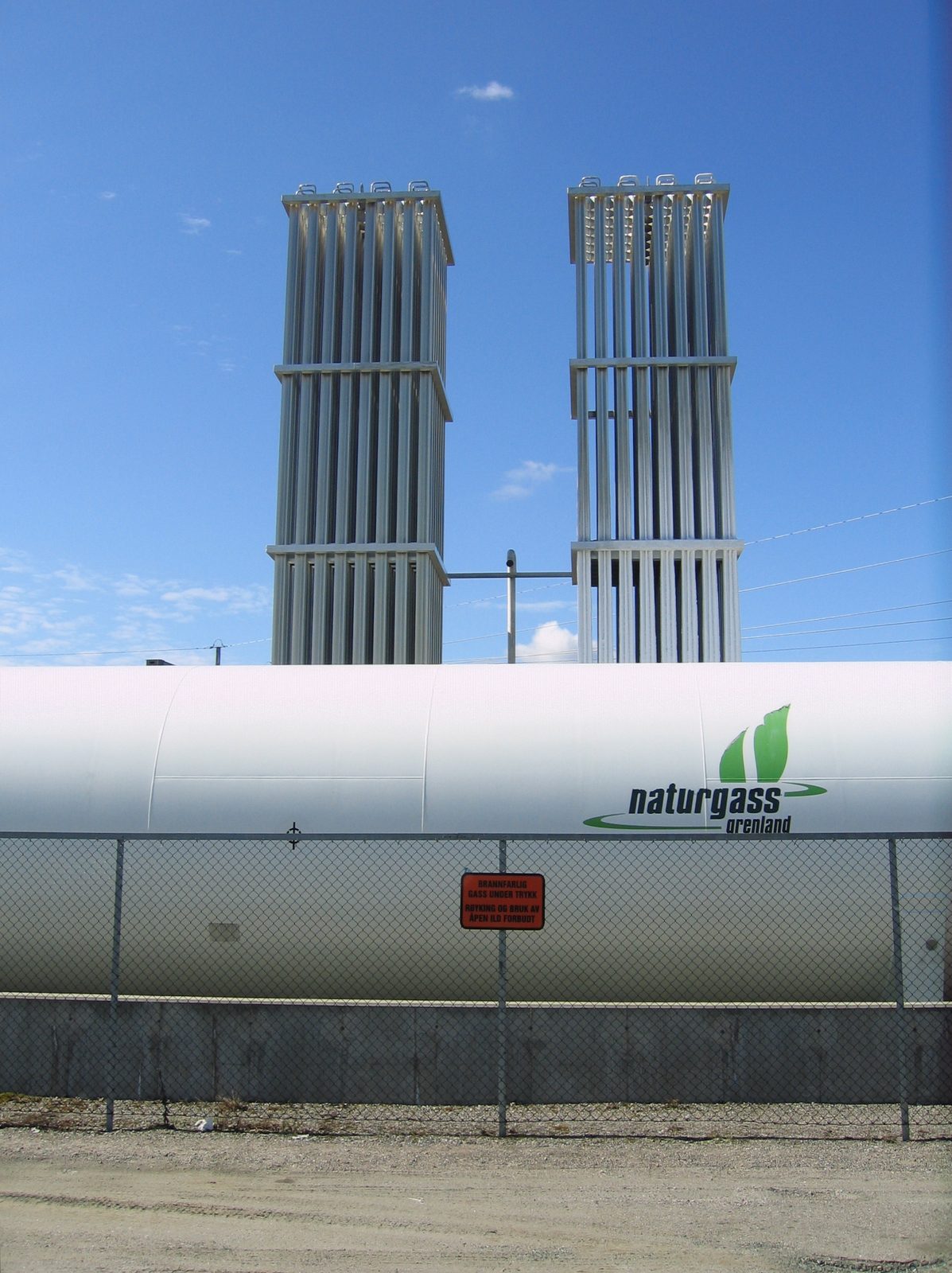
Photo: Bitjungle, CC BY-SA 3.0 · Cropped for layout
This article is an automated aggregation of coverage from news outlets. Our editorials offer in-depth analysis curated by the NewsCord team.
Geopolitical tensions and energy disruptions push up global fuel prices, Europe protests, says Araghchi. European worry over oil and fuel price rises linked to US policy against Iran.
Fuel shocks hit Europe
Iranian Foreign Minister Abbas Araghchi said in an opinion article published in Russia’s Vedomosti newspaper that “Just look at the current protests in European countries and the sharp rise in inflation and fuel prices in Europe and the United States,” linking geopolitical tensions and energy disruptions to higher global fuel prices.
The head of the IEA, Fatih Birol, warned that “If we experience a harsh winter, natural gas prices in Europe could rise even higher. It won't be easy for Europe this year and next year,” as European gas reserves entering this winter were “only at about 72% capacity, lower than the usual 90%.”
Birol said the EU’s gas shortfall was equivalent to the energy needs of approximately 10-12 million households, and he added that the EU also faced the risk of shortages of imported refined petroleum products, including diesel fuel.
Birol said the interventions after the G7 agreed to release crude oil and diesel fuel from strategic reserves had a noticeable impact, with oil prices falling by $20 immediately after the G7 countries agreed to release oil from their reserves earlier this month, but he said energy prices were rising again.
Birol emphasized that “Regardless of how the conflict in the Middle East unfolds, the impact on energy markets will last for months,” and he said the conflict was “profoundly changing how energy is transported globally.”
Protests, policy, and blame
Russian President Vladimir Putin accused European governments of contributing to part of their own economic crisis, and he said in an interview broadcast by Russia’s state television on October 25 that Russian natural gas remains, in his estimation, about 20% of the European market. The same interview broadcast by Russia’s state television on October 25 included Putin’s criticism of the acceleration of the shift to renewable energy before ensuring viable economic and practical alternatives, along with his objection to the closing of nuclear plants and coal mines. The Spanish newspaper La Bandera, as cited in the report, said Dutch gas futures recorded about 87.20 euros per megawatt-hour on October 13 compared with around 32 euros before the escalation of the war with Iran, and it said the average diesel price for consumers in the EU rose by about 35% between February 23 and October 5, 2026.
The report said protests in France, Italy, Portugal, and Spain were rising as energy bills became one of the most significant economic and political challenges for European governments, and it said fuel prices were fueling social anger and increasing pressure on governments. The report framed Europe’s winter challenge as a double task of securing energy supplies and reducing dependence on Russia while protecting consumers from rising bills and avoiding added pressure on industry and economic growth.
Shipping economics and reserves
Gibbs & Hill (Kpler) said diesel prices were no longer the sole driver of shipments to Europe, because transportation costs became decisive for whether importing fuel from the United States produced an economic return. Kpler’s report said spot diesel freight rates from the US Gulf Coast to Europe rose from about 250 points on the Worldscale to over 400 points before retreating, turning the Houston–Rotterdam arbitrage into a loss zone and limiting third parties’ ability to buy shipments and move them to Europe for profit. The report said the closing of the arbitrage window did not stop diesel flows, and it described diesel arbitrage as the difference between the sale price of a shipment at the destination port and the total cost of arrival from the origin port, including shipping and transport-related costs.
In early October, Trump announced that Russia would immediately export 300,000 metric tons of diesel (about 2.25 million barrels) to the United States and global markets, with another 500,000 tons in November and 1 million tons “shortly thereafter,” according to his statements. The report said Trump threatened Europe with a ban on US diesel exports if European countries did not draw additional volumes from their emergency reserves to help cool prices, while Kpler said reducing assumed shipping costs to 330 points on Worldscale would barely allow arbitrage to be realized.