Protestsupdated 52m ago2 min read
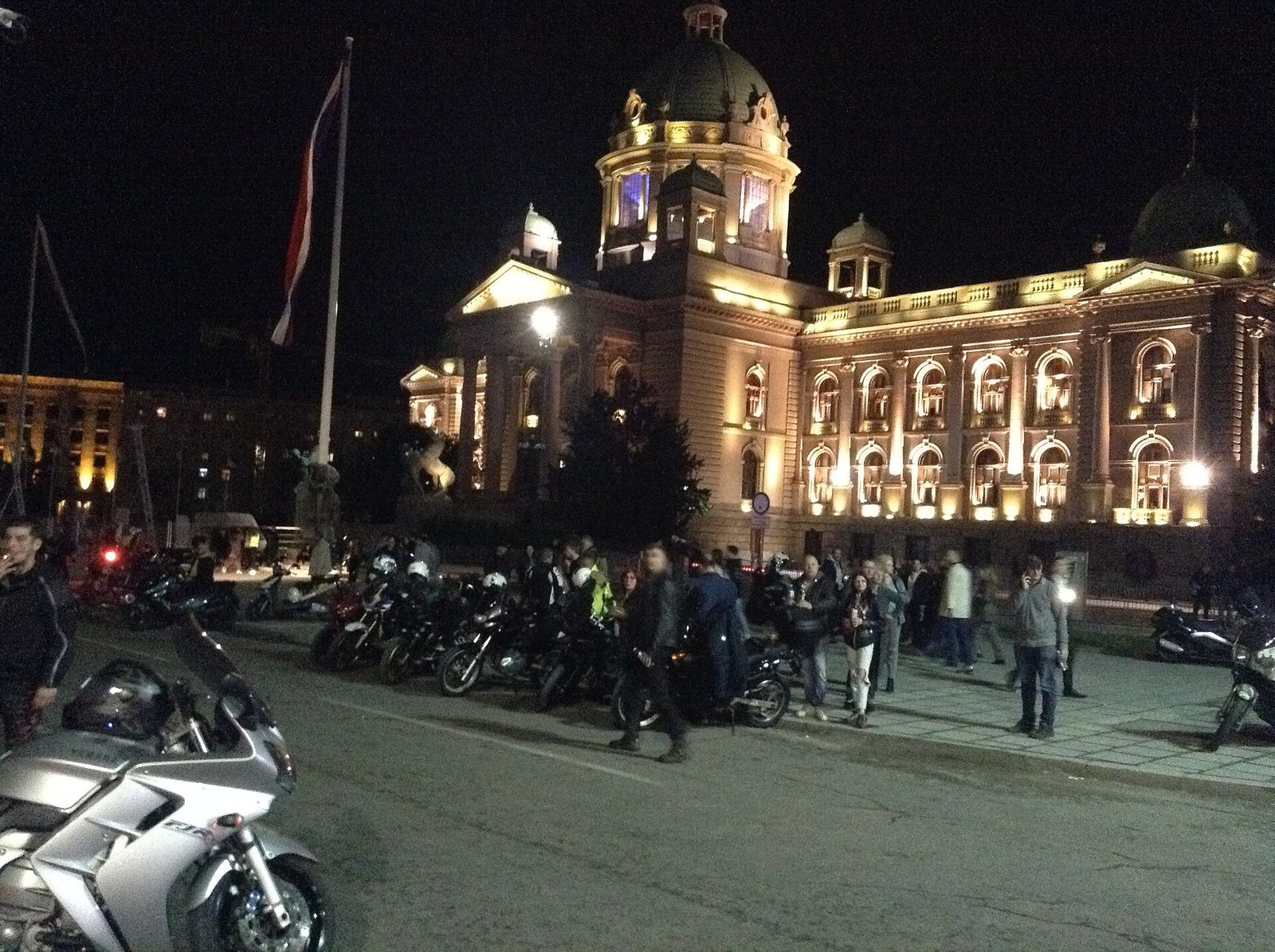
Archive photo · 14 March 2025Serbian Voters Begin Parliamentary Election As Students Challenge Aleksandar Vucic And SNS Rule
6 Western Mainstream2 Asian2 Other2 Other source typesPhoto: Emilija Knezevic, CC BY 4.0 · Cropped for layout
This article is an automated aggregation of coverage from news outlets. Our editorials offer in-depth analysis curated by the NewsCord team.
Snap parliamentary elections held in Serbia after years of student protests challenging Vučić. Student-led movement Students' List competes against the ruling SNS to end Vučić's rule.
Snap vote after protests
Serbian voters began voting in a parliamentary election on Sunday as a student protest movement sought to end Aleksandar Vucic's rule and challenge the Serbian Progressive Party (SNS). The protests were triggered by the deaths of 16 people when a train station canopy collapsed in the city of Novi Sad in 2024, and the student movement later accused the government of corruption and ruling for those in power rather than the people.
Early reports suggested record high turnout, with 46% having cast their vote by 14:00 local time, nearly a million more than the comparable figure for the previous election in December 2023. The election is also being watched through the lens of the Students' List agenda, which focuses on rooting out corruption and improving education while saying little about international ambitions, and it is led by cardiologist Ilija Srdanovic.
Campaign claims and tensions
Vucic and the SNS denied accusations of repression, corruption and spying on their opponents, while the former president claimed the students were funded by foreign agents in Croatia and Montenegro, a charge the students deny. Žarko Korać, a former deputy prime minister and long-term opponent of nationalist parties in Serbia including the SNS, told the BBC, "We are witnessing a unique experiment in European contemporary history," as he described the election's stakes for stability.
Voting ends at 20:00 and first indications of results are expected two hours later, while police closed streets around the Republic Electoral Commission (RIK) in Belgrade. The BBC also reported that the Students' List had delegated at least two observers to each of Serbia's 8,210 voting stations, and it said videos circulating on social media showed a cafe in the southern city of Nis where ballot papers were allegedly filled out in advance in a practice known as 'chain voting'.

What is at stake
A loss for Vucic would mark a profound political shift in Serbia, a Balkan country of six million people, and it would be reminiscent of the defeat of Hungary's Viktor Orban in April, Al Jazeera reported. The Student List must unite opposition-minded voters and also mobilise habitual nonvoters and the undecided, with turnout described as decisive by Jelena Vasiljevic, a senior research associate at the University of Belgrade's Institute for Philosophy and Social Theory.
A high final turnout, 65% or above, would favour the students, while fears of electoral fraud by the SNS and the possibility of weeks or months of political instability after a close result were described. The election's outcome is framed as a referendum on continuity or change, with Vucic leading his party with the aim of returning to the post of prime minister after resigning as president in September to run again for prime minister.