Protestsupdated 1h ago3 min read
Archive photo · 18 October 2026Protesters Clash With Police in Rome, Turin, Bologna, Milan, Tirana, and Brussels Over Costs
“The unrest prompted the US Embassy and Consulates in Italy to put the country on high alert”
“Authorities used drone surveillance, checks at railway stations, rapid-response units and online monitoring for potential calls to violence.”
This article is an automated aggregation of coverage from news outlets. Our editorials offer in-depth analysis curated by the NewsCord team.
Thousands in Milan, Rome, Turin, and Tirana protest rising cost of living, housing, and cuts. Protests in multiple cities trigger clashes with police, fires, and looting across Europe.
Italy, Albania, Belgium clashes
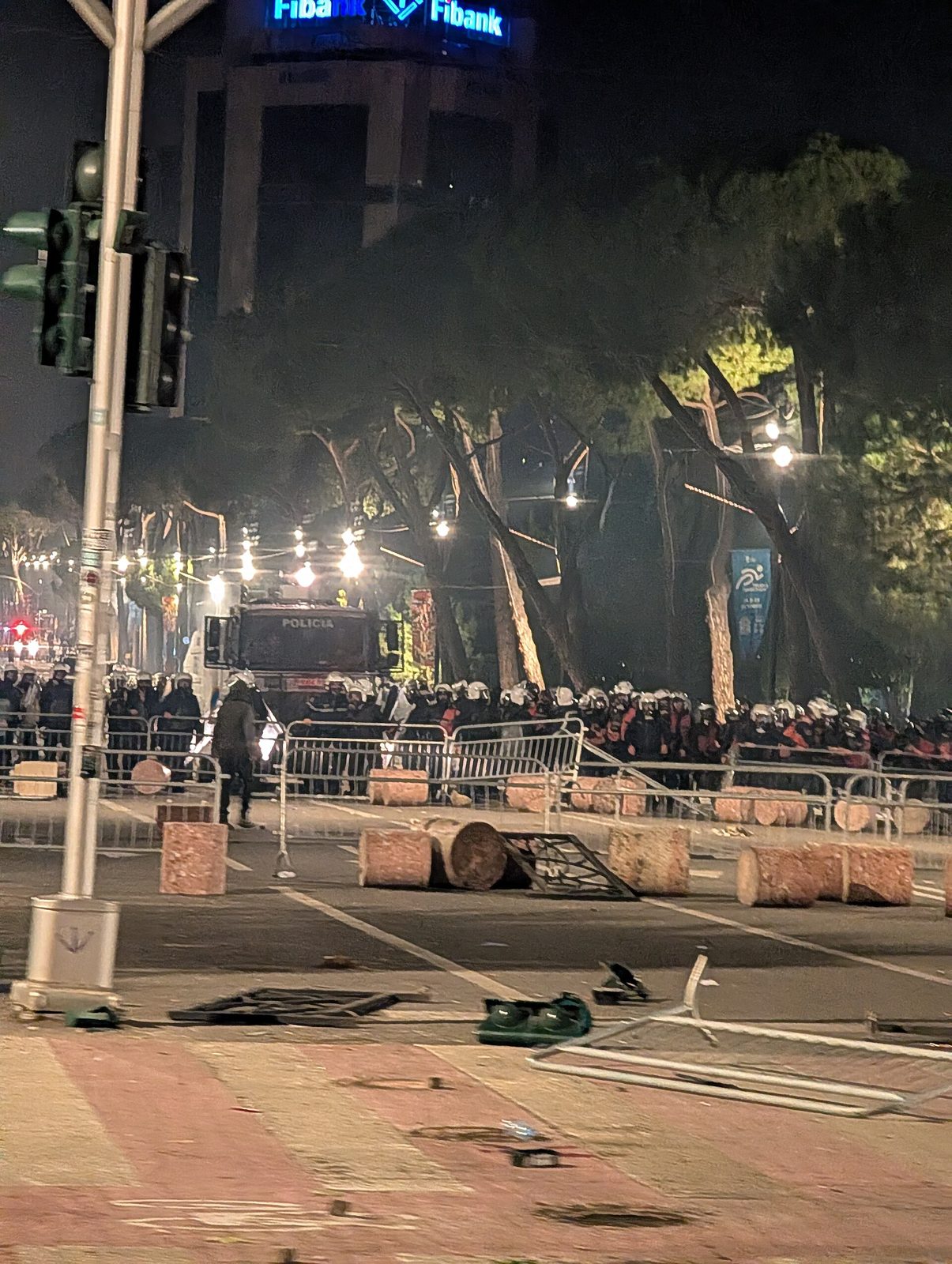
Thousands of protesters, including students, truck drivers, and farmers, demonstrated in Italy against the rising cost of living, especially housing and fuel, and against cuts in government spending, while security forces clashed with demonstrators in Rome, Turin, Bologna, and Milan. In Albania, police used tear gas, water cannons, and rubber bullets to disperse protesters who pelted officers with stones and set a fire at the gates of the Ministry of Agriculture in Tirana. In Belgium, security forces used tear gas and pepper spray during clashes in Brussels with government opponents demanding improvements to the education system and increased funding for it.
Police reported arresting 9 people and detaining 371 others briefly, including 110 minors, who were taken to police stations in 8 cities. Milan police detained a 30-year-old man suspected of being a leader or associate of the organization "Movement of October 17" which called for the protests.
France protests, arrests
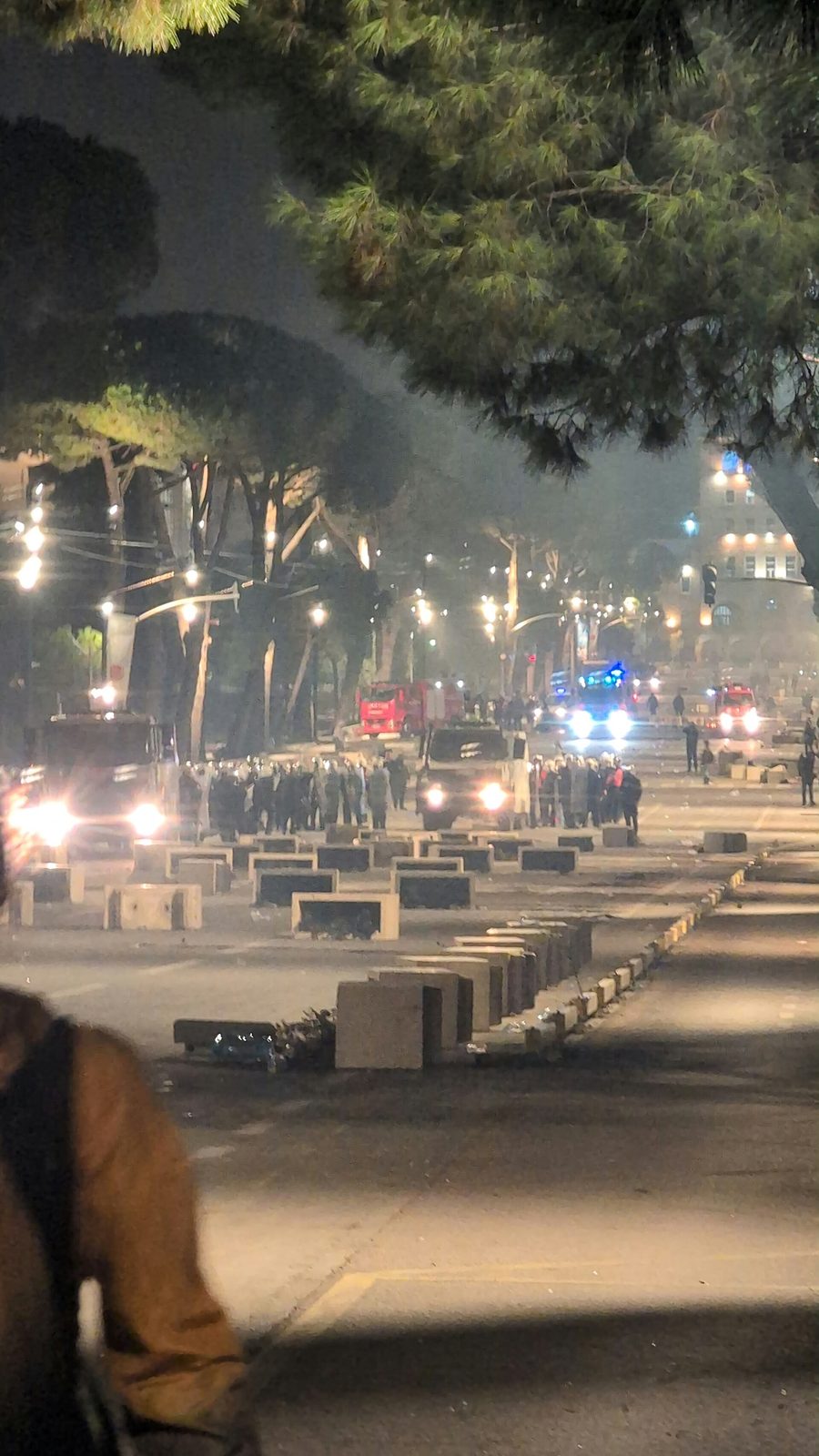
France reported nearly a thousand arrests as protests over the cost of living, housing, and education spread across cities, with the Ministry of the Interior estimating 410,000 people participated nationwide while the General Confederation of Labor (CGT) calculated attendance at around 800,000. In Paris, authorities counted about 110,000 participants compared to the 250,000 estimates by the central union, and hooded protesters threw objects and fireworks at police as the clashes worsened toward the end of some gatherings. Interior Minister Laurent Nuñez said nearly 1,000 arrests had occurred and warned that the figure could rise as data from operations were consolidated.
In Marseille, protesters threw stone and bottle at security forces and reports described fires in containers used to block streets, while the security operation was reinforced with about 70,000 police and gendarmes across the territory. A shooting in Trappes left one man dead and five wounded, including a 12-year-old girl, and the National Anti-Terrorism Prosecutor’s Office opened an investigation into the attack.
Milan security and far-right
In Milan, Prime Minister Giorgia Meloni announced sending an additional 500 soldiers and tougher penalties for minors, and the deployment came alongside about 5,000 police and other security personnel. Milan police said last week's violence and looting involved about 2,000 very young protesters, many of them "naturalized, second-generation Italians," alongside foreign nationals, and police arrested 45 people over two days including 34 minors. Defense Minister Guido Crosetto said the soldiers deployed Saturday were only recently allowed to use plastic restraint ties and only in areas around train stations, not throughout the city, and he said they are not authorized to carry pepper spray or tasers.
Riccardo Ponzio, national president of an Italian far-right student association, said, "I think the images from last week were truly something terrible, especially for the young people, for the students, for the vast majority of the younger generations who want to study ... and do not accept being represented by those who use issues and needs to devastate entire cities," as protesters marched. The march in Milan remained peaceful, but brief clashes with police occurred in Rome and Turin, and authorities locked down luxury shopping streets and stepped up controls around the Circus Maximus and Piazza del Popolo in Rome.