Europeupdated 47m ago2 min read
Czech Coalition Pushes Through Public Media Funding Overhaul After Overnight SPD Vote
This article is an automated aggregation of coverage from news outlets. Our editorials offer in-depth analysis curated by the NewsCord team.
Overnight vote moved funding from license fees to direct state funding for ČT and ČRo. Bill would cut broadcaster funding by about 15% next year.
Explore source coverage 4 source types
Directory totals describe our source library, not outlets checked for this story.
7 outlets told this the same way.
Outlets did split on European Youth Protests Spread From Greece to Belgium Over Housing, Education, Cost Of Living →
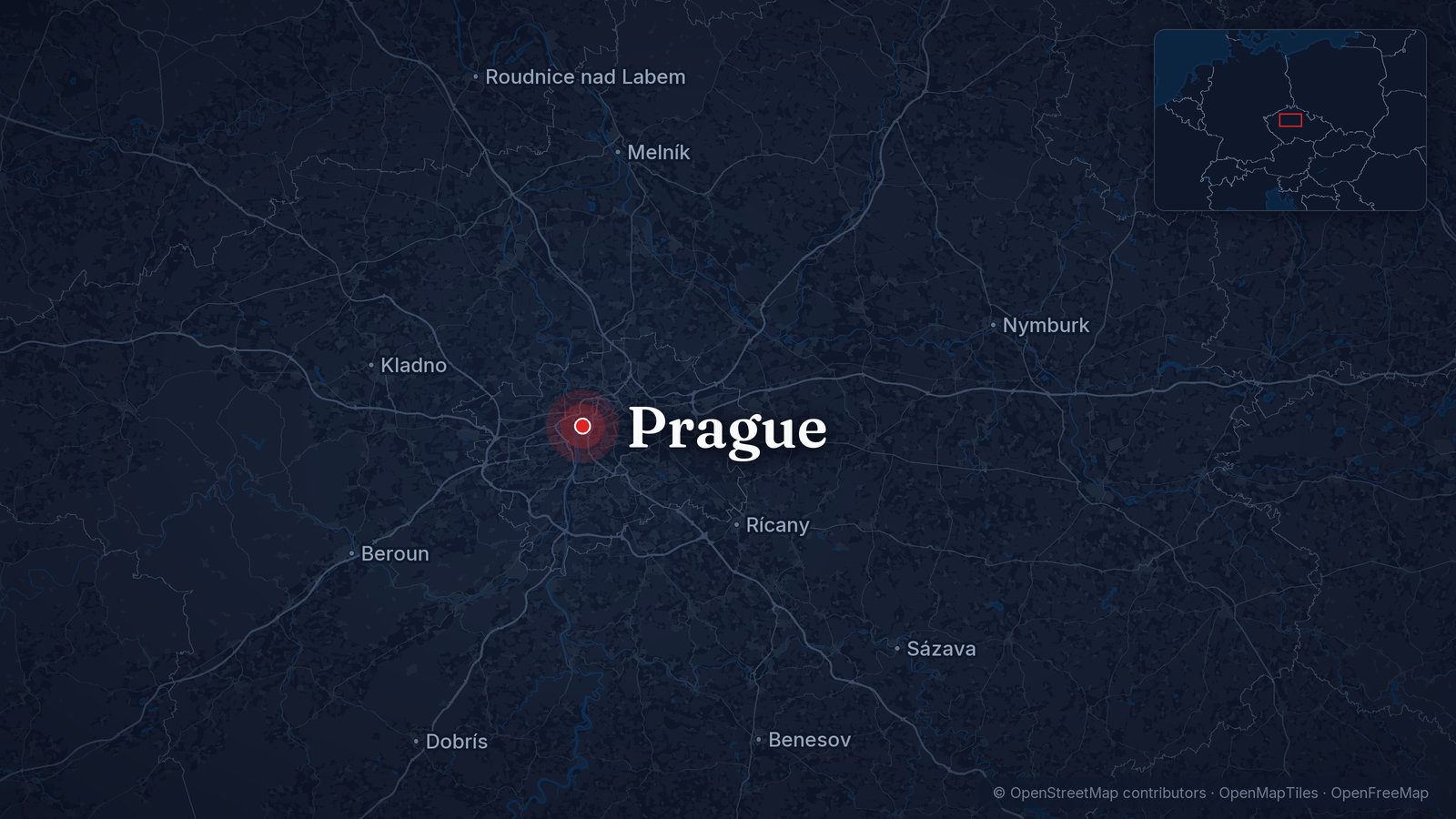
Overnight vote in Prague
Czech governing MPs advanced a controversial overhaul of public-media funding in a rare overnight vote, with the bill clearing its first reading after opposition attempts to reject it or return it to the government failed. Speaker Tomio Okamura of the SPD limited debate and scheduled the vote for 4:36 a.m. on Saturday, and the coalition’s majority then voted to send the bill to committees for further discussion. The proposal would replace the 205 crown ($9.45) monthly household broadcasting fee with direct state funding, and it would reduce Czech Television and Czech Radio’s combined income by approximately CZK 1.4 billion next year.
Protesters stayed outside the Czech parliament through the night, and police prevented dozens of demonstrators from entering the parliamentary building at one point Friday evening. Culture Minister Oto Klempíř described the proposed model as a common European arrangement and denied it represented an attack on democracy.
Opposition and broadcaster pushback
Opposition leaders promised further resistance through amendments and parliamentary debate, and ODS leader Martin Kupka accused the coalition of trampling parliamentary rules while saying the opposition would do everything possible to stop the proposal becoming law.
Pirate leader Zdeněk Hřib emphasized that the vote was only the first stage, and he argued that abolishing fees would not eliminate the public’s contribution because people would instead pay through taxation.
Andrej Babis told Facebook, “There is no war for independent media,” and he added, “There is no fight for democracy and no nationalisation of media is being prepared.”
The European Federation of Journalists said the bill goes against the European Media Freedom Act (EMFA), and it warned that the fast-tracked process raised questions about whether there was enough time for proper parliamentary scrutiny and public consultation.
Czech Television and Czech Radio employees announced an all-day strike for Nov. 3, and the Veřejnoprávně initiative argued that direct state funding would threaten the institutions’ independence and stability.
Funding cuts and next steps
The bill would cut funding for Czech Television and Czech Radio by about 15%, possibly as early as next year, while keeping nominal funding unchanged for several years.
The European Federation of Journalists said the bill would cut the broadcasters’ combined funding by about CZK 1.4 billion a year, roughly 15%, to about CZK 7.8 billion, and it argued that such cuts threaten the ability to fulfil their public service remit.
The legislation now goes to the media and culture committee, and the parliamentary sitting was adjourned until Nov. 3, the same day as the planned employee strike.
The EFJ called on the European Commission to take immediate action against what it described as a flagrant breach of the European Media Freedom Act (EMFA), and it said EU countries must fund public service media through transparent and objective criteria set in advance.
The EFJ also said it stood with Czech Television and Czech Radio and was ready to share its expertise with Czech authorities, listing signatories including the European Broadcasting Union and Reporters Without Borders.