Protestsupdated 1h ago3 min read
France Deploys 70,000 Police To Prevent Saturday Protests After Street Violence
This article is an automated aggregation of coverage from news outlets. Our editorials offer in-depth analysis curated by the NewsCord team.
France will deploy about 70,000 police and gendarmes nationwide this weekend. Elite counter-terrorism units will be included in the security deployment.
Explore source coverage 4 source types
Directory totals describe our source library, not outlets checked for this story.
Police build-up for Saturday
France will deploy about 70,000 police around the country on Saturday as the government seeks to prevent more civil unrest after last weekend’s street violence, Interior Minister Laurent Nuñez said on Friday. Nuñez warned that social media calls for violence were circulating from “ultra-left” groups, and he said the security forces would include elite units usually used for counter-terrorism operations and hostage rescues. Macron announced that demonstrations not organized by trade unions would be banned in the coming days, and the government spokesperson Maud Bregeon said restrictions would be decided case by case.
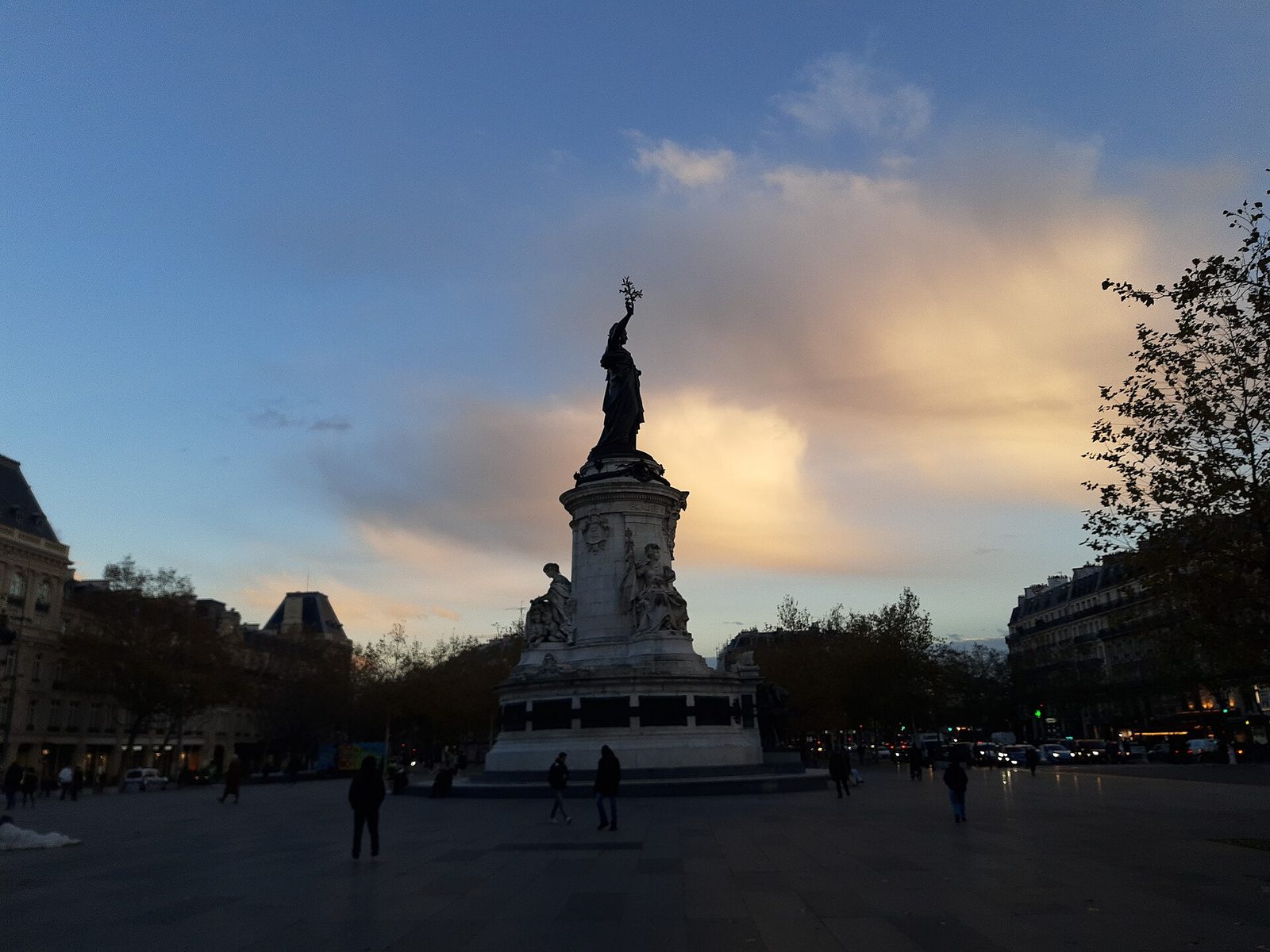
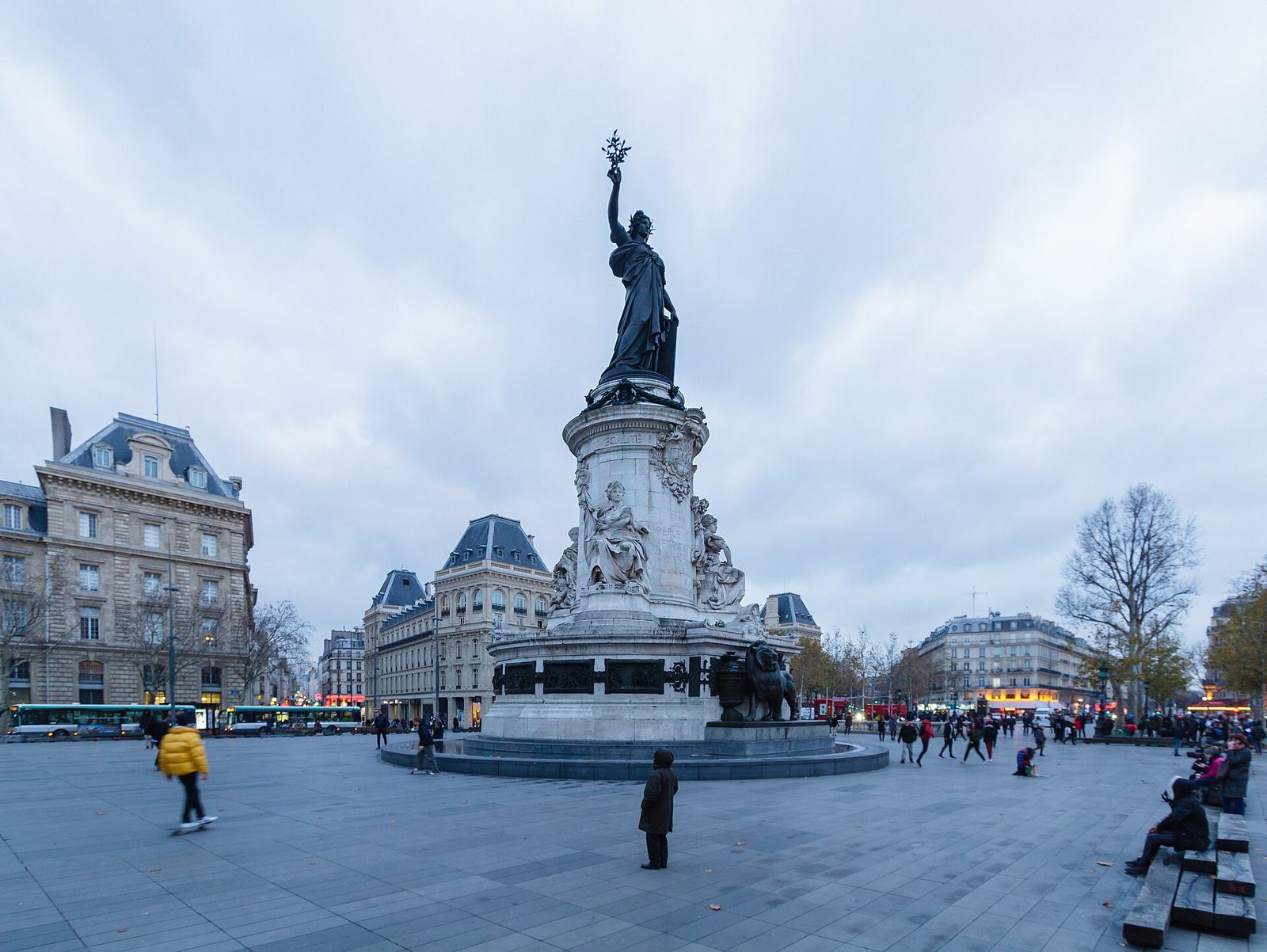
Paris police announced a curfew covering adults and minors around Place de la Republique and Les Halles from 11 pm to 6 am, starting Thursday evening and continuing until Sunday, while Paris prefectures authorized only one of the two routes requested for Saturday in Paris. The government also tightened rules across the Paris metropolitan area, including bans on transporting fuel and flammable gases, carrying protective equipment within 100 meters of a school, and possessing fireworks mortars.
Bans, routes, and curfews
Marseille authorities banned all protests but announced on Friday that a union-organised demonstration would be allowed on an “exceptional basis”, and it would be the only authorised protest in the southern Bouches-du-Rhône department. Lyon authorities imposed a total ban on protests, while Paris authorized a union march along a limited route in the east of the capital between the Places de la Bastille and Nation that would avoid the city centre. UNEF said its rallies would go ahead regardless of the restrictions, and the union accused Macron of “an abuse of authority” in refusing more rallies on Saturday.
Paris extended a partial curfew restricting movement in parts of the city until Monday, and the prefecture said movement would be prohibited in Place de la République and Les Halles from 23:00 local time until 06:00. The Louvre, Orsay and Picasso museums in the French capital were closed on Saturday, and theArt Basel fair was also cut short.
Detentions and competing claims
Justice Minister Gérald Darmanin said 217 people had been jailed since Saturday, and he said half of those jailed were first-time offenders. RFI reported that 2,700 people had been taken into police custody in connection with the riots and looting, while Darmanin said a total of 232 people had been jailed and more than 1,000 brought before prosecutors or judges. Human Rights Watch senior Europe researcher Eva Cosse said, “In a country governed by the rule of law, the police have a responsibility both to ensure that protests can take place peacefully and safely and to protect the public from violent disorder.”
Macron’s government sought to draw a line between protesters’ legitimate demands and the looting, burning and ransacking that erupted on the sidelines of protests last Saturday, and it said courts had sent 217 people to prison over the events. The government also faced criticism from CFDT general secretary Marylise Léon, who said, “It’s counterproductive because there is a lot of anger and a demand to be considered and to be listened to,” and La France Insoumise said the bans would “generate more chaos.”