Lebanonupdated 56m ago3 min read
Lebanon’s Council of Ministers Postpones Hezbollah Explosives Case Referral After Four-Hour Baabda Palace Talks
This article is an automated aggregation of coverage from news outlets. Our editorials offer in-depth analysis curated by the NewsCord team.
Lebanese Cabinet postponed referring Hezbollah explosives case to the Judicial Council. Lebanese Forces ministers walked out in protest at the delay.
Save coverage image
Explore source coverage 2 source types
Directory totals describe our source library, not outlets checked for this story.
Cabinet Postpones Referral
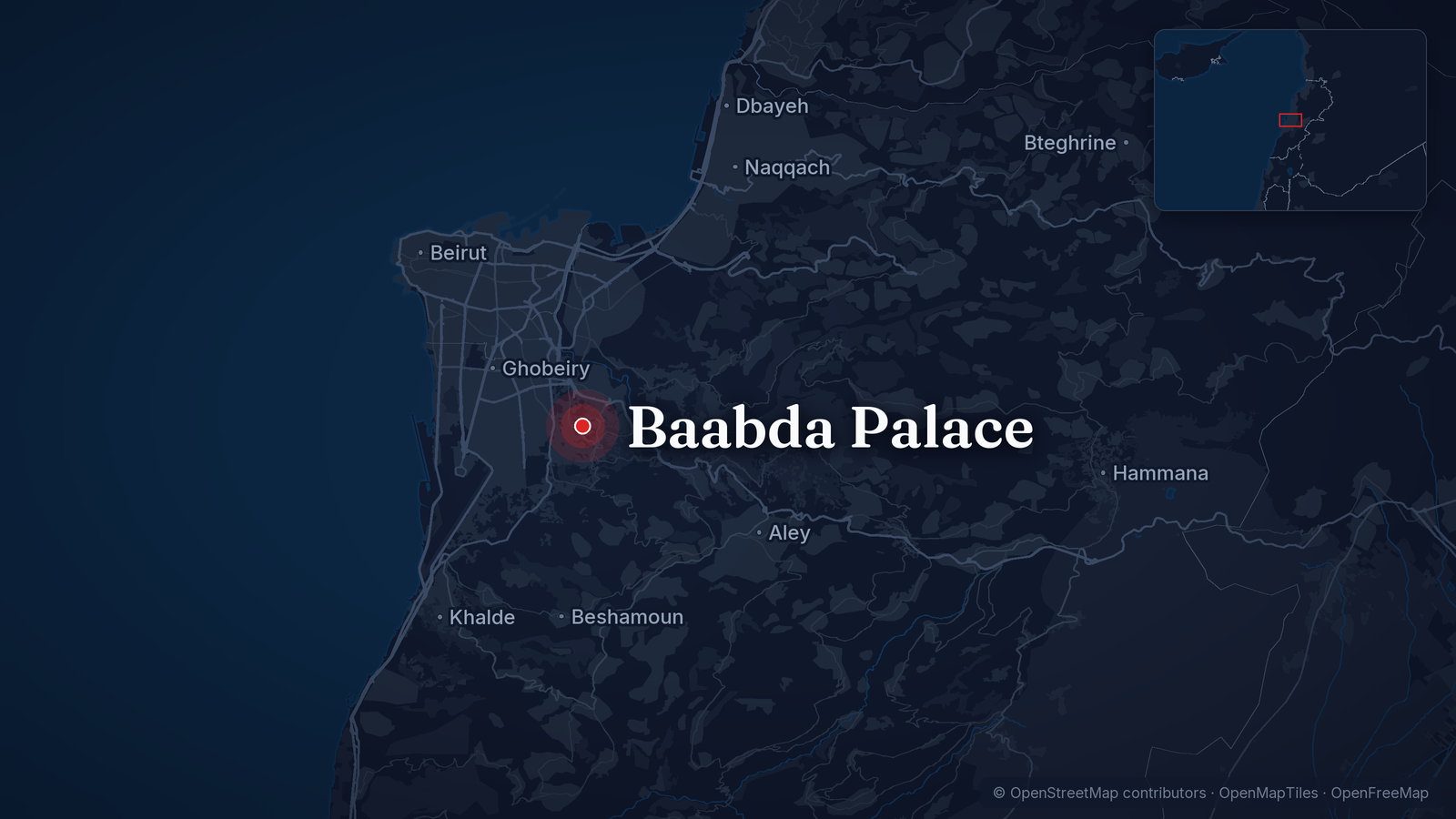
Lebanon’s Council of Ministers postponed referring Hezbollah’s explosives case to the Council of Judicial Supervisors after heated deliberations at Baabda Palace that lasted about four hours and ended with item seven on the agenda.
President of the Republic Gen. (Jozef) Awn and Prime Minister Nohaf Salam chaired the session, and the minutes said the government reached an understanding to postpone the referral pending completion of investigations and determination of responsibilities.
The minutes said intensive political contacts led by Speaker Nabih Berri played a crucial role in keeping the door to de-escalation open, amid warnings that proceeding immediately could put Hezbollah on a confrontational path and threaten civil peace.
The Lebanese Forces ministers withdrew from the session as their team called for referring the file immediately to the Council of Judicial Supervisors, deeming the reached solution limited and not dispelling deeper disagreement over the weapons.
Prime Minister Nohaf Salam stressed his position against storing arms or moving them outside legitimate authorities, saying this constitutes a departure from the established constants and current laws and threatens public safety and citizens’ security.
Walkout and Competing Views
Lebanese Forces ministers walked out of the cabinet session in protest after the Cabinet decided Thursday to postpone referring Hezbollah’s explosives case to the Judicial Council until investigations are concluded. Parliament Speaker Nabih Berri told reporters, "The army is a red line," and he supported the Lebanese Army as the force tasked with dismantling Hezbollah’s weapons in southern Lebanon. Prime Minister Nawaf Salam reaffirmed his rejection of the storage and transport of illegal arms, while the session included guarantees that there would be no surprise vote on the referral.
The dispute sharpened as sources said Aoun and Salam doubted the usefulness of referring to the Judiciary Council, asking what results previous referrals achieved, while the Justice Minister Adl Nassar proposed postponing a ruling to the next week. After the session, Lebanese Forces head Samir Geagea demanded that the President and Prime Minister refer the explosives file to the Judiciary Council, calling it a matter of national security, civil peace, state prestige, and a crime warranting legal accountability.
State Authority and Next Steps
The Cabinet also decided to continue investigating the explosives file without legal restrictions beyond the law, while pursuing the Grand Jury referral request with consideration of progress in investigations.
Information Minister Paul Marqous (Merqus) said the Cabinet did not rule out referring the explosives truck case to the Supreme Council as investigations progressed, and he also announced appointments to the Board of the Railway and Public Transport.
Justice Minister Youssef Raji said the explosives truck case is "political par excellence and threatens state security and must be referred to the Supreme Council," while the Minister of Justice stated that transporting and storing explosives inside Lebanon poses a danger to citizens.
L’Orient Today reported that the case involved a shipment of several hundred kilograms of explosives intercepted on Oct. 5 while being transported toward Beirut’s southern suburbs, and it said judges told President Joseph Aoun, Parliament Speaker Nabih Berr and Prime Minister Nawaf Salam that immediate referral could undermine the proper conduct of the investigation.
Prime Minister Nawaf Salam framed the issue as a matter of the state’s monopoly on weapons and said these principles "are no longer subject to debate," while President Joseph Aoun warned of a possible escalation in regional tensions and hoped the situation would not deteriorate into an "escalation or explosion."