Lebanonupdated 1h ago2 min read
Nabih Berri Says Any Bid To Repeal 1955 Anti-Israel Boycott Law Cannot Pass Parliament
This article is an automated aggregation of coverage from news outlets. Our editorials offer in-depth analysis curated by the NewsCord team.
Nabih Berri says repeal of 1955 Israel boycott law cannot pass in parliament U.S. pressure, including Rubio, urged Lebanon to repeal the boycott law
Middle East Eye was read line by line by the Watchdog: 1.9. See the score →
Berri blocks repeal
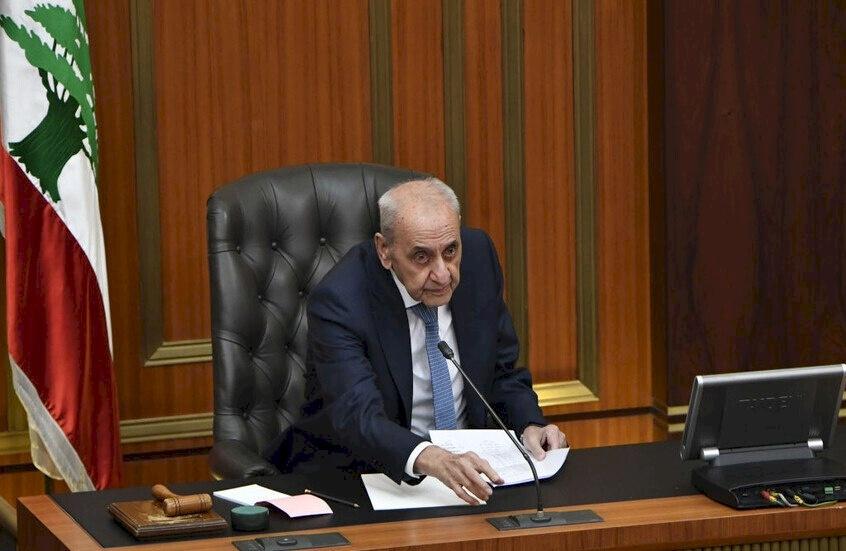
Speaker Nabih Berri said any bid to repeal the 1955 Anti-Israel Boycott Law cannot pass in parliament, stressing that "stability and protecting the country are everyone's responsibility."
Berri told al-Akhbar newspaper that it was not reasonable for sectarian background to reach "the point of preventing a Lebanese from buying property in a Lebanese region because of his sectarian background."
Berri said the country has not gone out of control yet, adding, "Whoever thinks that things are chaotic and that the country has descended into chaos is mistaken."
Berri also said, in a sarcastic tone, "I am waiting on pins and needles for someone to submit a draft law in this regard."
Michel Issa said, "You always mention Nabih Berri. Does Nabih Berri decide on his own? We need to end this matter."
Tampa talks amid raids
Israeli air force warplanes attacked the Hamra farm on the outskirts of Zahrat town in the Nabatieh district of southern Lebanon on Wednesday morning, October 21, 2026, as artillery shelling targeted several areas. Israeli Defense Minister Yisrael Katz said the Israeli army will not withdraw until Hezbollah is disarmed throughout Lebanon and the threat to northern Israel is removed, and he threatened to strike Beirut’s southern suburbs in response to any shooting or drone attacks. Katz said Israel created a security zone inside Lebanese territory covering about 700 square kilometers, extending from the Mediterranean coast west to Qalaat al-Shaqif, the Ali al-Tahir heights, and the slopes of Mount Hermon in the east.
Lebanese President Jozef Aoun called on Washington to pressure Israel to halt its assaults, and he affirmed the commitment of state institutions to confiscate illegal weapons. The Arab League announced its move to mobilize political, security, and economic support for Lebanon, while Lebanese-Israeli military talks under American sponsorship continued in Tampa, Florida.
Boycott law under pressure
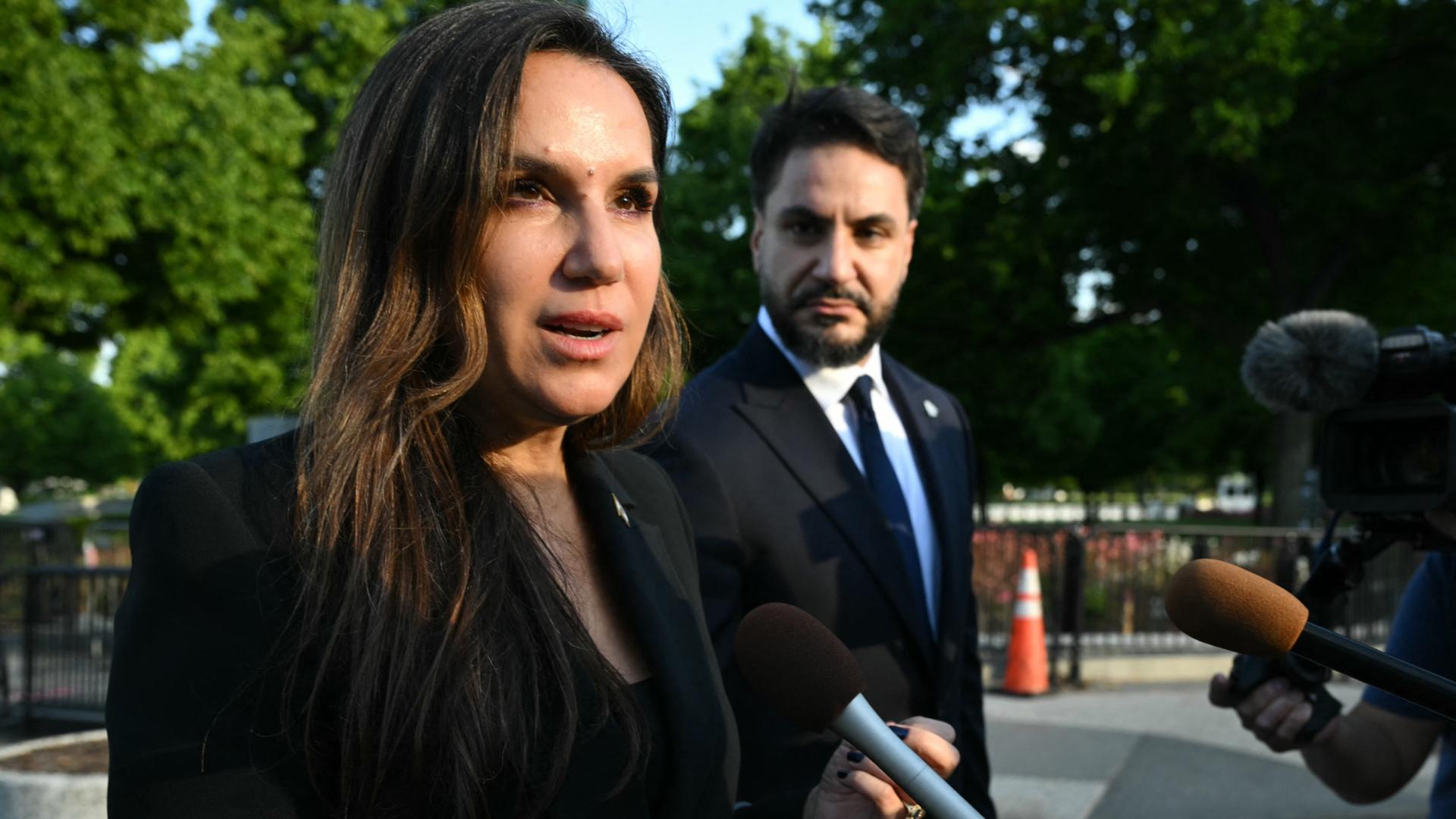
Lebanese lawyer Hassan Bazzi said the danger was that an ambassador and a negotiator were not acting as ordinary citizens, telling Middle East Eye, "An ambassador and a negotiator should be fighting in the name of the Lebanese people and their pain, especially southerners." Bazzi said the US response was unusually blunt, after US State Department spokesperson Tommy Pigott called it "embarrassing" that a military court was handling a complaint against the ambassador. The Middle East Eye account said the boycott law, adopted in 1955, criminalises contact with Israelis and carries penalties of three to 10 years of hard labour.
Bazzi said the commissioner reasoned that Lebanon’s 1955 Israel Boycott Law applies only to commercial transactions, and he warned, "This interpretation is extremely dangerous." Bazzi said the complaint was prompted by a reported phone call on 27 September, after Ambassador Nada Hamadeh Moawad contacted her Israeli counterpart in Washington, Yechiel Leiter, following his son’s injury in a car-ramming attack at a checkpoint in the occupied West Bank.